
Side Dishes
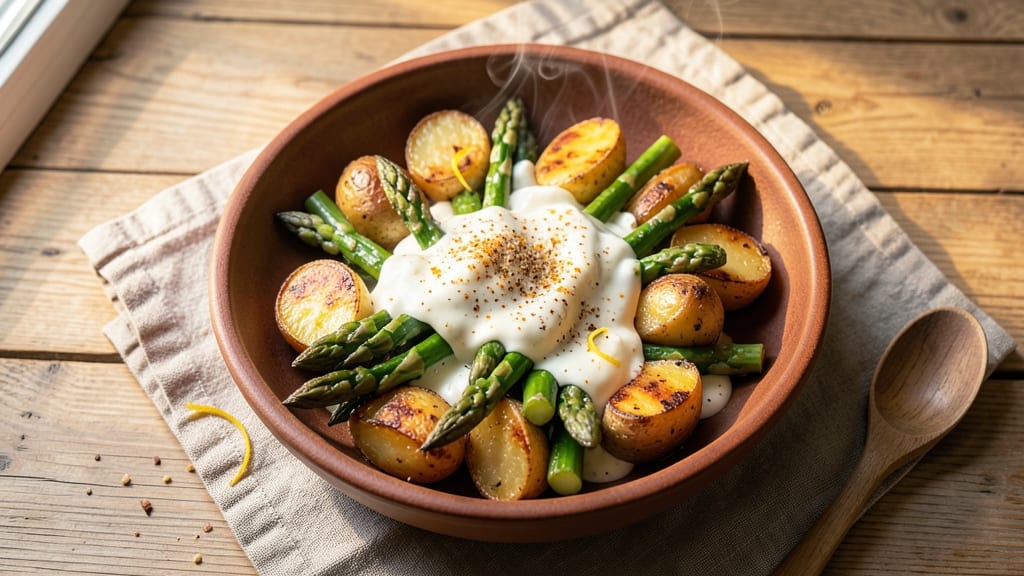
This turmeric-ginger spiced roast transforms humble asparagus and potatoes into a fragrant, golden Indian dish with charred edges that crackle with every bite. The secret lies in slow-roasting the vegetables with whole spices until they caramelize into tender perfection, creating a dish that's both hearty and elegant.
I developed this recipe after years of experimenting with Indian roasted vegetable techniques, and it never fails to impress—whether served as a side or a vegetarian main.
The magic begins with a dry spice rub of turmeric, cumin, and coriander, which infuses the vegetables with warm, earthy flavors while roasting. A splash of yogurt and fresh ginger adds brightness, preventing the potatoes from drying out while enhancing the asparagus' natural sweetness.
The dish relies on high-heat finishing to achieve those coveted charred edges, where the natural sugars caramelize into a sticky, aromatic crust.
By the time you serve this dish, your kitchen will smell like a bustling Indian kitchen, and your table will be adorned with golden potatoes and asparagus spears that are tender yet crisp at the edges.
The flavors are complex—earthy from the spices, bright from the ginger, and slightly smoky from the char. It pairs beautifully with basmati rice or naan, making it a complete vegetarian meal.
What makes this recipe stand out is its versatility—use it as a side for grilled meats, a vegetarian main with a dollop of yogurt, or even a flavorful addition to grain bowls. The techniques are straightforward but deliver restaurant-quality results with minimal effort. Let's get started!
Ingredients for asparagus and potato indian
Earthy spices, tender veggies, and bright ginger transform simple potatoes and asparagus into an aromatic Indian masterpiece.
| Ingredient | Amount | Notes |
|---|---|---|
| Baby Potatoes 🥔 | 1 ½ lb | Halved, skin-on for texture |
| Asparagus Spears 🌱 | 1 lb | Trimmed, woody ends removed |
| Plain Yogurt 🥛 | ½ cup | Unflavored, full-fat preferred |
| Fresh Ginger 🌿 | 2 tbsp | Finely grated, aromatic |
| Turmeric Powder 🌶️ | 1 tsp | Bright, high-quality |
| Ground Cumin 🌿 | 1 tsp | Toasted for depth |
| Ground Coriander 🌿 | 1 tsp | Freshly ground preferred |
| Garlic Cloves 🧄 | 4 cloves | Minced, aromatic |
| Extra-Virgin Olive Oil 🫒 | 3 tbsp | High-quality, fruity |
| Lemon Juice 🍋 | 1 tbsp | Freshly squeezed |
| Salt 🧂 | 1 tsp | Diamond Crystal preferred |
| Black Peppercorns 🌶️ | ½ tsp | Freshly cracked |
| Ghee 🧈 | 1 tbsp | For finishing, optional |
| Fresh Cilantro 🌿 | ¼ cup | Chopped, for garnish |
The potatoes and asparagus are the stars here—baby potatoes stay tender while roasting, and thick asparagus spears hold their shape better than thin ones. For the potatoes, halve them skin-on—the skin adds texture and prevents them from falling apart. Asparagus should be bright green and firm; avoid woody ends. I always grab organic asparagus from Whole Foods or the local farmers market when in season, but the regular supermarket stuff works fine. The key is to trim them evenly—about 1 inch from the bottom—so they cook uniformly. If you're using regular potatoes, cut them into 1-inch chunks for even roasting.
No fresh ginger? Powdered ginger at half the amount works in a pinch, but fresh is ideal for that bright, zesty kick. The yogurt should be plain and full-fat—Greek yogurt works too, but regular works best for the creamy finish. Running short on coriander? Cumin plus a pinch of cardamom mimics its earthy warmth. For the olive oil, avoid the cheap stuff—look for extra-virgin with a fruity aroma. The ghee is optional but adds a luxurious finish; Melted butter works too if you're avoiding dairy. Fresh cilantro is ideal for garnish, but dried oregano at one-third the amount gets you close if you're out.
Prep ahead to save time: Trim the asparagus and halve the potatoes the night before, storing them in separate containers in the fridge. The spices keep indefinitely in a dark, airtight container, but fresh ginger lasts only 2 weeks in the fridge—grate extra and freeze it in ice cube trays for later. This dish reheats beautifully—3-5 minutes in a skillet over medium heat restores those charred edges. Leftovers keep for 4 days in the fridge or 3 months frozen. I always double the recipe and freeze half—perfect for lazy weeknights when I crave Indian flavors without the effort.
Why You'll Love This Recipe
- One-Pan Magic: I swear by this for lazy nights—just toss halved baby potatoes and asparagus on a sheet pan, sprinkle turmeric and ginger, and roast. No chopping, no mess, no stress. The potatoes caramelize while the asparagus stays crisp—honestly, it’s the kind of dish that makes me feel like a chef without trying.
- Tangy Creamy Kick: That yogurt sauce? Chef’s kiss. The coolness cuts through the earthy potatoes and peppery asparagus, while the fresh ginger adds a zing that lingers. It’s not too heavy, not too bland—just that perfect balance of richness and brightness I crave after a long day.
- Weeknight to Potluck: Between us, this feeds a crowd without breaking the bank. Double the batch for meal prep, or bring it to a picnic—it’s sturdy enough to travel and still tastes fresh hours later. My roommate’s vegetarian friends actually ask for seconds, which never happens.
- Budget-Friendly Staples: Baby potatoes and asparagus are cheaper than you’d think, especially in season, and yogurt and spices stretch forever. I’ve made this for under $8 for four servings, and the leftovers? Just as good reheated the next day with a sprinkle of chaat masala. Practical, simple, and always satisfying.
Step-by-step instructions for turmeric-ginger spiced roasted asparagus and potatoes
Here's how to transform simple ingredients into a vibrant, aromatic dish with perfectly charred edges.
Marinate the Vegetables in Spiced Yogurt
In a large bowl, combine the 1.5 lb baby potatoes (halved) and 1 lb asparagus spears (trimmed). In a separate small bowl, whisk together the 0.5 cup plain yogurt, 2 tbsp finely grated fresh ginger, 1 tsp turmeric powder, 1 tsp ground cumin, 1 tsp ground coriander, 1 tsp salt, and 0.5 tsp freshly cracked black peppercorns until smooth. Pour this aromatic marinade over the vegetables and toss gently to coat evenly. Let them sit at room temperature for 15-20 minutes while you prep the remaining ingredients.
This marinating step is crucial—it infuses the vegetables with the warm spices and tenderizes them slightly. The turmeric will give your dish that signature golden hue, while the cumin and coriander add depth that complements both the earthy potatoes and delicate asparagus.
Roast Until Golden and Charred
Preheat your oven to 425°F. Arrange the marinated vegetables on a single layer of a rimmed baking sheet, leaving about ½ inch between each piece to ensure even browning. Drizzle the 3 tbsp extra-virgin olive oil evenly over the top, then toss gently to distribute. Roast for 25-30 minutes, stirring once halfway through, until the edges are deep golden brown and slightly charred in spots.
Here's the thing—don't walk away during this step. The high heat creates those beautiful charred edges that add so much texture and flavor. You'll know they're ready when the potatoes feel tender when pierced with a fork and the asparagus tips are crisped. If the asparagus starts to brown too quickly, tent the pan with foil for the last 5 minutes of cooking to prevent burning.
Finish with Garlic, Lemon, and Fresh Herbs
While the vegetables are still hot, remove them from the oven and transfer to a serving platter. In the same baking sheet, add the 4 minced garlic cloves and 1 tbsp ghee, scraping up any browned bits from the bottom. Let this sizzle for 1-2 minutes until fragrant. Pour in the 1 tbsp freshly squeezed lemon juice and toss everything together.
The ghee adds a rich, nutty finish that balances the bright lemon and earthy spices, while the garlic infuses everything with its aromatic punch. Taste and adjust seasoning if needed—sometimes the lemon needs a touch more salt to brighten the flavors. The dish should be vibrant, aromatic, and perfectly balanced between sweet, savory, and tangy notes.
Garnish and Serve Immediately
Sprinkle the 0.25 cup chopped fresh cilantro over the top just before serving. The cilantro adds a fresh, herbal contrast that cuts through the richness of the roasted vegetables. Serve this dish warm, straight from the oven, when the asparagus is still slightly crisp and the potatoes are tender with crispy edges.
This dish pairs beautifully with naan or basmati rice to soak up all those delicious spices. The combination of turmeric's earthy warmth, ginger's zing, and the charred edges creates a restaurant-quality meal that's surprisingly simple to make at home. Enjoy it while it's hot—every bite should be a perfect balance of textures and flavors.
Pro Tips For Making Asparagus And Potato Indian
- PARBOIL POTATOES FIRST: I learned this the hard way—skipping the preliminary boil means your baby potatoes will turn to mush while the asparagus and spices cook. Drop them in boiling salted water for 5 minutes, then drain and set aside. This guarantees they stay firm and creamy, not falling apart when you toss them with the yogurt sauce later.
- PEEL GINGER LIKE A PRO: Skip the peeler and use a spoon instead. Run a teaspoon along the length of the ginger root to scrape off just the skin—no waste, no mess. Fresh ginger loses its kick when overhandled, so handle it gently, and grate it fine enough to dissolve into the yogurt but not so fine it turns to paste.
- DON’T OVERMIX THE YOGURT: Stir the yogurt sauce just until the turmeric and ginger are evenly distributed. Overworking it will break down the proteins and make the sauce thin and watery. The texture should be thick enough to coat the back of a spoon—like a good raita, not a sad, runny one.
- COOK ASPARAGUS LAST: Toss the asparagus in only at the very end, when the potatoes are already warm and the spices have bloomed. Overcooking turns them limp and bitter, and you want those bright green spears to stay crisp-tender. Two minutes max in the pan, just until they’re heated through and slightly charred at the edges.
Regional styles of these flavors
North Indian Style
In North India, this dish would be elevated with a tadka (tempering) technique using ghee, cumin seeds, and asafoetida (hing). After roasting, heat 1 tbsp ghee in a pan, add 1 tsp cumin seeds and a pinch of hing, then pour over the vegetables just before serving.
This adds a smoky, aromatic depth that’s signature in Punjabi cuisine. Garnish with toasted cumin powder and a squeeze of lemon for brightness. 🌿
South Indian Adaptation
For a South Indian twist, swap the yogurt marinade for a coconut milk base—blend ½ cup coconut milk with 1 tsp mustard seeds, 1 tsp curry leaves, and ½ tsp black pepper.
Roast the vegetables at 375°F for 35 minutes to avoid burning, then finish with a sprinkle of grated coconut and green chilies. The coconut milk keeps the potatoes moist while adding a tropical richness. 🥥
Hyderabadi-Inspired
Hyderabadi cuisine loves bold, spicy flavors—here, mix 1 tsp red chili powder and ½ tsp garam masala into the yogurt marinade. After roasting, toss the vegetables with 2 tbsp tamarind pulp (soaked in warm water) and 1 tbsp jaggery for a sweet-tangy balance.
Garnish with fried curry leaves for crunch. This version is perfect for serving with mirchi ka salan or dahi baingan. 🌶️
Bengali-Influenced
Bengali cooking often features mustard oil and panch phoron (five-spice blend). Replace olive oil with 2 tbsp mustard oil (heat gently to reduce pungency) and add ½ tsp panch phoron (cumin, fennel, fenugreek, nigella, and black pepper) to the marinade.
Roast at 400°F for 20 minutes, then finish with 1 tsp sugar and 1 tsp vinegar for a caramelized glaze. Serve with steamed rice and lentil curry. 💛
Goan Fusion
Goan cuisine blends Portuguese and Indian flavors—here, add 1 tsp vinegar and ½ tsp black pepper to the marinade, then roast with 1 tbsp coconut oil instead of olive oil. After roasting, toss with 2 tbsp grated coconut and 1 tbsp chopped kasuri methi (dried fenugreek leaves).
The vinegar adds tang, while the coconut and fenugreek give a distinct Goan aroma. Pair with Goan fish curry or pork vindaloo. 🌴
Nutrition facts
Frequently asked questions
Can I use regular potatoes instead of baby potatoes?
Yes, but you'll need to adjust the cooking time. Cut regular potatoes into 1-inch chunks and increase roasting time by 5-10 minutes to ensure they're tender. Baby potatoes stay intact better and cook faster, but regular potatoes work perfectly with this recipe.
What if I don't have fresh ginger?
Use ½ teaspoon ground ginger as a substitute, but fresh ginger gives the best flavor. If you're out of both, add ½ teaspoon more turmeric for warmth, though it won't match the zesty brightness of fresh ginger. Always grate fresh ginger right before using for maximum flavor.
Can I make this dish ahead of time?
Prepare the marinade and chop the vegetables the night before, storing them separately in the fridge. When ready to cook, roast as directed. For leftovers, reheat in a skillet over medium heat for 3-5 minutes to restore those charred edges. The dish reheats beautifully and tastes even better the next day.
What's the best way to store cooked asparagus and potatoes?
Store in an airtight container in the fridge for up to 4 days. For longer storage, freeze for 3 months. Thaw overnight in the fridge before reheating. The texture holds up well when reheated gently—just avoid microwaving to preserve the charred edges.
Can I make this dish without yogurt?
Yes, but the yogurt adds moisture and creaminess. Replace it with ½ cup coconut milk or ¼ cup olive oil mixed with the spices. The dish will still be flavorful, though slightly less tender. The yogurt also helps balance the spices, so adjust seasoning to taste if omitting it.