
Side Dishes
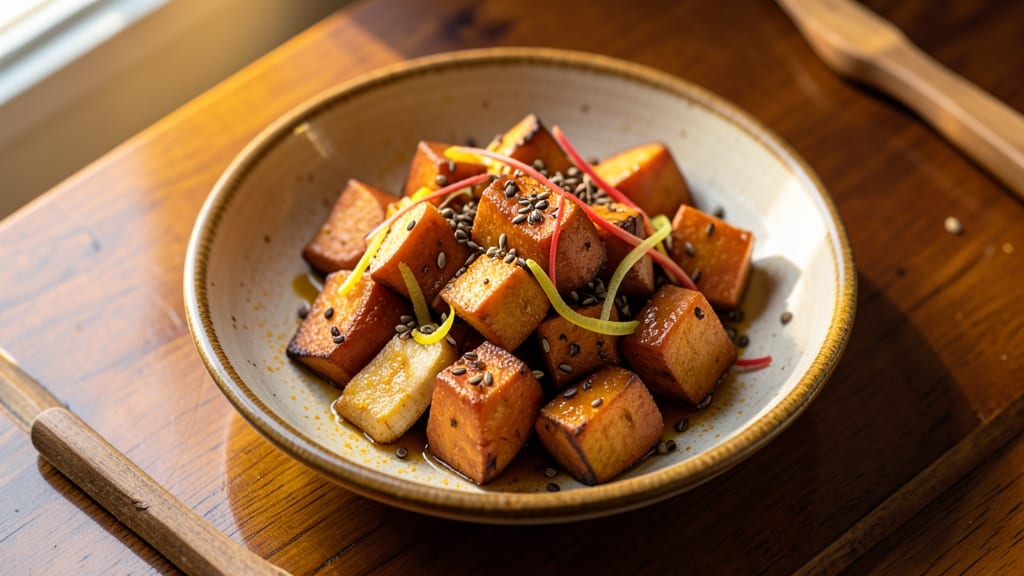
This Ayurvedic sweet potato recipe transforms humble roots into a warming, spice-infused side that nourishes both body and mind. Roasting sweet potatoes with turmeric, cumin, and ginger isn’t just cooking—it’s a practice in balance, grounded in Ayurveda’s principles of digestion and vitality.
The golden caramelized edges you’ll achieve aren’t just for flavor; they’re a testament to the ancient wisdom of cooking with intention.
What sets this recipe apart is its thoughtful approach to spice and texture. Unlike ordinary roasted sweet potatoes, this version incorporates warming spices that support digestion and energy—perfect for balancing vata dosha or adding warmth during cooler months.
The technique is simple yet precise: high heat for crispy edges, low and slow for tender centers, all while preserving the earthy sweetness of the potato.
By the time you’re done, you’ll have a dish that’s rich in color, aroma, and nutrition—naturally sweet, subtly spiced, and deeply satisfying. These aren’t just side dishes; they’re a celebration of Ayurvedic cooking principles made accessible for modern kitchens.
Serve alongside lentils, yogurt, or seasonal greens for a complete, dosha-balancing meal.
The beauty of this recipe lies in its adaptability. Whether you’re air-frying for a quicker result or slow-cooking for deeper flavor, the core technique remains the same: harmonizing spices with the natural sweetness of sweet potatoes. Here’s how to bring it to life in your kitchen.
Ingredients for ayurvedic sweet potato
Earthy roots meet Ayurvedic spices in this vibrant, nutrient-rich roast designed for balance and depth.
| Ingredient | Amount | Notes |
|---|---|---|
| Sweet Potatoes 🍠 | 2 lb | Medium-sized, peeled and cubed |
| Extra-Virgin Olive Oil 🫒 | ¼ cup | Cold-pressed, unrefined preferred |
| Ground Turmeric 🌿 | 1 tbsp | Freshly ground for potency |
| Ground Cumin 🌿 | 1 tsp | Toasted for deeper aroma |
| Fresh Ginger 🌿 | 2 tbsp | Grated, skin removed |
| Ground Black Pepper 🌶️ | ½ tsp | Freshly cracked for warmth |
| Coconut Oil 🥥 | 1 tbsp | For crispy golden edges |
| Sea Salt 🧂 | 1 ½ tsp | Fine grain preferred |
| Ground Coriander 🌿 | ½ tsp | Freshly toasted for brightness |
| Asafoetida Powder 🌿 | ¼ tsp | Optional, for Ayurvedic depth |
| Fresh Cilantro 🌿 | ¼ cup | Chopped, for garnish |
| Lemon Juice 🍋 | 1 tbsp | Freshly squeezed |
The sweet potatoes are the foundation—look for firm, deep orange varieties with smooth skins. Organic is ideal, but conventional works if fresh. For the spices, Penzeys or local Indian markets offer the highest quality turmeric and cumin, but well-stocked grocery stores carry adequate options. Fresh ginger should be plump and aromatic—no shriveled roots. Toast your whole spices (cumin, coriander) in a dry pan for 30 seconds before grinding to release their essential oils, a technique used in traditional Ayurvedic cooking for maximum potency.
No fresh ginger? Substitute 1 tbsp ginger juice from a bottle, though it lacks the same depth. Asafoetida (hing) is optional but adds that signature umami punch—Trader Joe's carries it in their international aisle. For extra crispiness, swap half the olive oil for avocado oil, which has a higher smoke point. The coconut oil is non-negotiable for those golden caramelized edges; it's what transforms this from ordinary roasted potatoes to something truly special. If you're air-frying, reduce the oil by 25% since the appliance adds its own dry heat.
Store prepped sweet potatoes in an airtight container with a paper towel to absorb moisture for up to 3 days. The spice blend keeps indefinitely in a dark glass jar, but fresh ginger and cilantro should be used within 5 days. For meal prep, roast a double batch—the flavors intensify overnight as the spices meld. Reheat gently in a 350°F oven for 10 minutes to preserve texture, or enjoy cold as part of a grain bowl. The lemon juice should be added just before serving to brighten the dish.
Why You'll Love This Recipe
- One-Pan Magic: I swear by this recipe when I’m too tired to scrub a million dishes. Toss the sweet potatoes in olive oil, sprinkle the turmeric and cumin, and let the oven do the work—no chopping, no fuss, just golden perfection.
- Earthy Warmth: That ginger-turmeric-cumin combo? It’s like a hug in spice form. The sweet potatoes caramelize just enough to balance the warmth, and honestly, I’ve never met a dish that makes my kitchen smell this good while being this healthy.
- Meal Prep MVP: Between us, this is my go-to for lunches all week. Roast a big batch, portion it into containers, and you’ve got a satisfying side or even a hearty base for bowls. My daughter picks out the biggest pieces, but still asks for seconds—takes one to know one.
- Budget Bright Spot: Sweet potatoes are cheap, and these spices cost pennies. A single bag lasts me forever, and the flavor? Ridiculously good. I’ll be real: this is how I stretch my grocery budget without feeling like I’m sacrificing taste—or nutrition.
Step-by-step instructions for Ayurvedic sweet potato roast
Transform humble sweet potatoes into a vibrant, aromatic dish with Ayurvedic warmth and golden edges.
Prepare the Sweet Potatoes for Even Cooking
Begin by peeling the 2 lb sweet potatoes and cutting them into uniform 1-inch cubes. Consistency is key here—aim for pieces that are neither too large (which will stay undercooked) nor too small (which will burn before tenderizing). Place them in a large mixing bowl and toss gently with the 0.25 cup extra-virgin olive oil until each piece is lightly coated. This oil not only prevents sticking but also carries the spices deep into the flesh during roasting.
In a separate small bowl, combine the 1 tbsp ground turmeric, 1 tsp ground cumin, 2 tbsp freshly grated ginger, 0.5 tsp ground black pepper, 0.5 tsp ground coriander, and the 0.25 tsp asafoetida powder. This Ayurvedic spice blend forms the heart of the dish's flavor profile—turmeric for anti-inflammatory properties, cumin for digestion, and asafoetida for its umami depth. Sprinkle this mixture evenly over the sweet potatoes and toss again until every cube is thoroughly coated. The spices should cling like a fine, aromatic dust.
Roast Until Caramelized with Crispy Edges
Preheat your oven to 425°F. This high temperature ensures both the caramelization of the sweet potatoes' natural sugars and the development of crispy golden edges. Arrange the spiced sweet potatoes in a single layer on two rimmed baking sheets—don't overcrowd them, or they'll steam instead of roast. For even browning, I recommend using two sheets at once, spreading them evenly.
Roast for 25 minutes, then carefully flip each piece using a metal spatula. This flip is critical—it ensures both sides develop the same caramelized crust. After another 15 minutes, check for doneness: the edges should be deep golden brown, almost mahogany in color, while the interior should yield slightly when pierced with a fork. If any pieces aren't browned enough, return them to the oven for an additional 5-7 minutes.
Finish with Coconut Oil for Extra Crispiness
Remove the sweet potatoes from the oven and transfer them to a large bowl. Drizzle the 1 tbsp coconut oil over the hot potatoes and toss immediately. The residual heat from the oven will cause the coconut oil to melt and seep into the pores of the sweet potatoes, creating an additional crispy layer. This step is what transforms good roasted sweet potatoes into extraordinary ones—don't skip it.
While still warm, sprinkle with the 1.5 tsp sea salt and toss gently to distribute evenly. The salt should cling to the crispy edges, enhancing their flavor. Finish by adding the 0.25 cup chopped fresh cilantro and 1 tbsp freshly squeezed lemon juice. The cilantro adds a bright, herbal note that cuts through the richness of the roasted potatoes, while the lemon juice introduces a subtle acidity that balances the dish.
Rest and Serve with Warmth
Let the sweet potatoes rest for 5 minutes before serving. This brief rest allows the flavors to meld and the crispy edges to set slightly, preventing them from becoming soggy when transferred to plates. The dish should be served warm—ideal for pairing with grilled meats, yogurt-based curries, or as a standalone vegetarian bowl.
Each bite should deliver a perfect balance: the sweet potatoes' natural sweetness caramelized to perfection, the earthy warmth of the Ayurvedic spices, and the satisfying crunch of the coconut-oil crisped edges. The lemon and cilantro add a refreshing finish that makes this dish feel both comforting and vibrant. For an extra touch, serve with a side of warm spiced yogurt or a sprinkle of toasted cumin seeds.
Pro Tips For Making Ayurvedic Sweet Potato
- USE MEDIUM-HIGH HEAT: Sweet potatoes need patience—low heat means soggy edges. Crank it to medium-high, then drop the heat once they’re searing evenly. I learned this the hard way after staring at a pot of mushy, sad potatoes for 20 minutes.
- PEEL AND GRATE GINGER FRESH: Pre-packaged ginger paste lacks the bright, zesty punch fresh ginger brings. Use a microplane or fine grater—about 1 tablespoon of finely grated ginger—right before cooking. The texture changes the dish more than you’d expect.
- DON’T OVERMIX THE SPICES: Stirring turmeric and cumin into the oil too aggressively creates a bitter, chalky flavor. Gently fold them in just until combined—think of it like whisking eggs, not beating batter. The spices should melt into the oil, not fight for dominance.
- ROAST THE POTATOES FIRST: Skip the raw prep work: Toss peeled, cubed sweet potatoes in a pinch of salt and roast at 400°F (200°C) for 15 minutes before adding spices. This jumpstarts the cooking process and ensures even doneness—no more half-raw centers or overcooked edges. (Yes, even if you’re impatient like me.)
Creative variations of this dish
Vata-Balancing Version
For those with vata dosha, this dish is already a great fit, but you can enhance its grounding qualities by adding ½ cup cooked basmati rice to the spice blend and serving with warm golden milk (turmeric + almond milk).
The rice absorbs the spices beautifully, while the milk's creaminess balances vata's dryness. I also recommend finishing with 1 tsp toasted sesame seeds—they add warmth and help stabilize energy levels. 🌿
Pitta-Pacifying Adaptation
To cool pitta dosha, reduce the black pepper to ¼ tsp and replace half the ginger with ½ tsp fresh fennel seeds (toasted and crushed). Add ¼ cup chopped cucumber to the final toss for cooling hydration.
Serve with cooling coconut yogurt (unsweetened) instead of lemon juice. This version keeps the dish warm but prevents overheating. 🥒
Kapha-Stimulating Twist
For kapha dosha, boost metabolism by adding ½ tsp cayenne pepper and 1 tsp grated horseradish to the spice mix. Use 1 tbsp apple cider vinegar instead of lemon juice for tangy digestion support.
Serve with steamed kale and a sprinkle of black pepper—the heat helps stimulate circulation and prevent sluggishness. 🌶️
Air-Fryer Adaptation
For a quicker version, use an air fryer at 375°F for 12-15 minutes, shaking the basket every 5 minutes to ensure even browning. Reduce the olive oil to 2 tbsp and increase coconut oil to 2 tbsp for crispiness.
This method cuts cook time by 40% while maintaining the same Ayurvedic benefits. Perfect for weeknight meals! ⚡
Slow-Cooker Method
For deeper flavor, use a slow cooker on low for 6 hours with ½ cup water and all spices. Start with 1 tbsp coconut oil in the bottom to prevent sticking.
Finish with the crispy coconut oil toss in a 400°F oven for 10 minutes to restore texture. Ideal for meal prep—store in airtight containers for up to 5 days. 🕒
Seasonal Variations
In winter, add ½ tsp cinnamon and ¼ tsp cardamom to the spice blend for extra warmth. For summer, swap coconut oil for avocado oil and serve chilled with mint leaves and lime zest for a refreshing twist.
The base technique remains the same—just adjust the spices to match the season's energy. 🌞
Nutrition facts
Frequently asked questions
Can I use regular potatoes instead of sweet potatoes?
Sweet potatoes are ideal for this Ayurvedic recipe because their natural sweetness and earthy flavor pair beautifully with the warming spices. Regular potatoes will work in a pinch, but they lack the depth of color and nutrients. If substituting, increase the spices slightly to compensate for the milder potato flavor.
How do I adjust this for a vegan diet?
This recipe is already vegan-friendly, but you can enhance it further by using vegan coconut yogurt for serving and ensuring your coconut oil is certified vegan. The asafoetida powder is also vegan, so no additional substitutions are needed. The dish remains rich in plant-based nutrition while balancing all three doshas.
What's the best way to reheat leftovers?
Reheat in a 350°F oven for 10 minutes to preserve the crispy edges. Avoid microwaving as it can make the potatoes soggy. For extra crispiness, toss reheated potatoes with a light spray of olive oil and return to the oven for an additional 5 minutes. Store in an airtight container for up to 4 days.
Can I make this in an Instant Pot?
While not ideal for crispy edges, you can create a softer version by cooking on high pressure for 3 minutes with ½ cup water. After pressure release, finish with the coconut oil toss and crisp in a 400°F oven for 10 minutes. This method works well for meal prep but sacrifices the signature caramelized texture.
Which dosha does this recipe balance best?
This recipe is particularly beneficial for vata dosha due to its warming spices (turmeric, cumin, ginger) and grounding nature. The coconut oil and sweet potatoes provide healthy fats that help stabilize vata's dryness. For pitta, reduce black pepper slightly, and for kapha, add cayenne to stimulate metabolism.