
Side Dishes
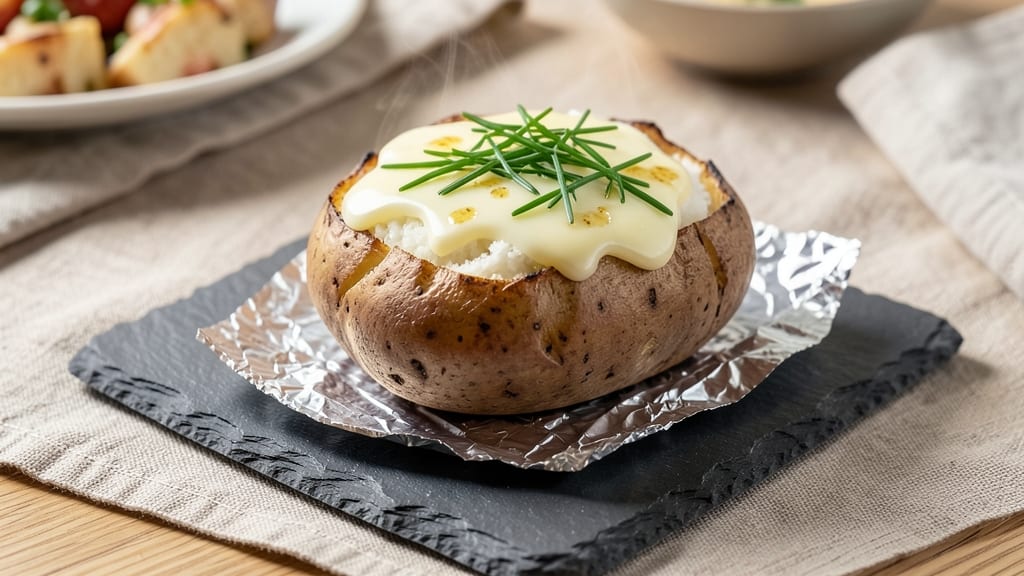
A baked potato recipe at 400 degrees transforms simple russet potatoes into golden, crisp-skinned masterpieces with fluffy interiors in just 45 minutes. This method preserves the natural starch for perfect texture while ensuring the skin stays crackly—no soggy disappointments here.
The secret lies in proper preparation and oven placement, where even heat works its magic. What sets this recipe apart is the balance: high heat for crispy skin without drying out the inside, and a simple technique that requires minimal effort.
You’ll need just four ingredients—potatoes, salt, oil, and foil—plus optional toppings like butter, sour cream, or chives. The method works for 4 servings, making it ideal for game day or family dinners.
By the time you’re done, you’ll have crispy, flaky-skinned potatoes that split open to reveal pillowy centers—ready to be loaded with your favorite toppings. The aroma alone will have everyone at the table asking for seconds. This is comfort food at its finest, elevated without complication.
Serve immediately for maximum crispness, or hold off for a few minutes if adding toppings. The key is timing—get the oven right, and the rest is foolproof. Let’s get baking!
Ingredients for baked potato recipe 400
Four essential ingredients plus optional toppings transform russets into restaurant-quality baked potatoes.
| Ingredient | Amount | Notes |
|---|---|---|
| Russet Potatoes 🥔 | 4 whole | Medium size, unpeeled, organic preferred |
| Kosher Salt 🧂 | 1 ½ tbsp | Diamond Crystal preferred for texture |
| Olive Oil 🫒 | ¼ cup | Extra-virgin for optimal flavor |
| Heavy-Duty Aluminum Foil 📄 | 1 sheet | For perfect steam circulation |
| Unsalted Butter 🧈 | ½ cup | Melted, for optional topping |
| Fresh Chives 🌿 | ¼ cup | Chopped, for garnish |
| Sour Cream 🥛 | ½ cup | Full-fat for creamy texture |
Russet potatoes are non-negotiable here—their high starch content delivers that signature fluffy interior. Organic russets from Whole Foods or Trader Joe's have tighter skins that crisp better, but conventional store-bought works too. Size matters: medium potatoes (about 12-15 oz each) cook evenly. Avoid small potatoes—they dry out faster. The key is room-temperature potatoes when they hit the oven, so pull them out of the fridge 30 minutes before baking. If you're prepping ahead, store them in a cool, dark place (like a pantry) for up to 2 weeks.
Diamond Crystal kosher salt is ideal—its larger crystals dissolve slower, creating better skin texture. Extra-virgin olive oil adds subtle fruity notes that elevate the simple potato flavor, but any neutral oil (like vegetable or canola) works in a pinch. For the foil, heavy-duty aluminum is critical—it reflects heat better than thinner foil. The optional toppings? Full-fat sour cream and unsalted butter are worth the upgrade—they melt beautifully over the hot potatoes. Fresh chives add a bright pop of color and freshness, but dried chives or parsley work if you're in a hurry.
Baked potatoes keep their crispiness for about 20 minutes after baking, so plan toppings accordingly. Store leftovers in an airtight container in the fridge for up to 3 days, but reheat carefully: wrap them in foil and warm at 350°F for 10-15 minutes to restore crispiness. For meal prep, bake a batch and refrigerate un-topped potatoes—they reheat perfectly. Freezing isn't recommended as it ruins the texture, but you can freeze prepped toppings (like butter and sour cream mixtures) separately for up to 1 month.
Why You'll Love This Recipe
- Foolproof Foil Trick: I swear by this method—just poke, oil, salt, and wrap. No fancy tools, no guesswork, just a perfectly fluffy potato every time. The foil keeps them from drying out, and honestly? It’s the only way I bake them now.
- Buttery Crispy Magic: That moment when you slice into a golden crust and the inside melts like a cloud? The olive oil and butter work together to create this ridiculously satisfying texture. It’s simple, but it’s the little things that make it taste like a restaurant.
- Game for Any Meal: Serve them as a side for tacos, stuff them for dinner, or just eat them plain with butter and salt—this recipe works for everything. I’ve even reheated leftovers in the oven, and they’re just as good the second time around.
- Budget-Friendly Staple: Russets are cheap, and this recipe uses almost no extra ingredients. Between us, I can feed four people for under $5, and there’s no waste—just peel and bake. It’s my go-to when I need to stretch a grocery budget without sacrificing flavor.
Step-by-step instructions for perfectly baked potatoes
Master the art of baking potatoes with this foolproof method for restaurant-quality results every time.
Prep and Season the Potatoes
Preheat your oven to 425°F for 15 minutes to ensure even cooking from the start. While it heats, scrub the 4 whole Russet Potatoes under cold water to remove any dirt, but leave the skins intact—this helps create that coveted crispy texture. Pat them completely dry with a clean kitchen towel.
Place each potato on a work surface and pierce the skin all over with a fork, about 8-10 times per potato. This prevents them from bursting during baking. Rub each potato generously with 0.25 cup Olive Oil and sprinkle evenly with 1.5 tbsp Kosher Salt, pressing gently to ensure the seasoning adheres. The oil creates a barrier that promotes crispiness, while the salt enhances flavor and helps draw out moisture for that perfect texture.
Wrap and Bake for Crispy Skin
Cut a 1 sheet Heavy-Duty Aluminum Foil into four equal squares. Place one potato on each foil square and fold the foil tightly around each potato, sealing the edges completely. This double-wrapping method traps steam inside, which keeps the interiors fluffy while allowing the skins to develop that signature crisp.
Place the wrapped potatoes on a baking sheet and bake in the preheated oven for 45 minutes. After 30 minutes, rotate the baking sheet 180 degrees for even browning. You'll know they're ready when the foil begins to tear slightly at the seams—this indicates the potatoes are nearly done. The skins should be deep golden brown and the foil should feel slightly puffed.
Finish with Optional Toppings
Remove the potatoes from the oven and carefully open the foil. Let them rest for 5 minutes before serving—this allows the steam to redistribute, ensuring perfectly fluffy interiors. If you're using the 0.5 cup Unsalted Butter, melt it in a small saucepan over low heat until just liquid, then drizzle it over the hot potatoes. The residual heat will create a glossy, flavorful topping.
Garnish each potato with 0.25 cup Fresh Chives, chopped into fine pieces, and serve with 0.5 cup Sour Cream on the side. The chives add a fresh, oniony brightness that cuts through the richness of the butter, while the sour cream provides a cooling contrast. For extra crispiness, you can broil the potatoes for 1-2 minutes after unwrapping, but watch closely—they burn quickly at high heat.
Pro Tips For Making Baked Potato Recipe 400
- PIERCE THE CENTER: Russet potatoes are dense—don’t settle for a fork-tender middle. Use a skewer or knife to check the core; if it slides in like butter, you’re golden. I used to pull them out too soon, thinking they’d finish cooking later. They won’t.
- SALT THE POTATOES FIRST: Toss the raw Russets in olive oil and kosher salt before baking—yes, even if the recipe says otherwise. The salt draws out moisture, which crisps the skin into something edible. I learned this the hard way after serving soggy-bottomed potatoes to a crowd.
- DON’T OVERFOIL TOO EARLY: Wrap the potatoes in foil after 30 minutes, not right away. That first crust is the real deal—let it form under the broiler or high oven heat before trapping steam. Overfoiling too soon = sad, limp skins. (And yes, I’ve done it.)
- UPGRADE THE BUTTER SLATHER: Unsalted butter is your friend, but don’t be shy—melt 2 tablespoons per potato and spread it thick under the foil. The fat melts into the fluffy interior, making every bite richer. I used to eyeball it, but now I measure. Worth it.
Serving suggestions for leftovers
Classic Game Day Load
For a football-worthy spread, I like topping my baked potatoes with crumbled bacon, shredded cheddar cheese, and green onions. The smoky bacon adds depth, while the cheese melts into the fluffy interior. Serve with a side of homemade ranch dressing for dipping. 🏈
Cheesy Broccoli Topping
Mix 1 cup steamed broccoli florets, ½ cup shredded mozzarella, and 2 tbsp grated Parmesan with a pinch of garlic powder. Spoon this onto each potato and broil for 2-3 minutes until bubbly.
The broccoli adds a pop of color and nutrients, while the cheeses create a gooey, satisfying topping.
Breakfast Potato Twist
Turn your baked potatoes into a breakfast star by topping them with scrambled eggs, crispy hash browns, and crumbled sausage. The eggs add protein, while the hash browns give extra texture.
A sprinkle of hot sauce or sour cream ties it all together. This is my go-to for brunch or late-night cravings. 🍳
Simple Sour Cream & Chive
Keep it classic with ½ cup full-fat sour cream, a drizzle of melted butter, and a sprinkle of fresh chives. The tangy sour cream balances the richness of the butter, while the chives add a bright, fresh finish.
This minimalist approach lets the potato shine without overwhelming flavors.
Loaded Potato Bar
Set up a toppings bar with bacon bits, shredded cheese, sour cream, green onions, chives, and hot sauce. Let everyone customize their own potatoes—this is perfect for parties or family dinners.
The key is keeping the baked potatoes warm in a 200°F oven while guests assemble their toppings.
Sweet Potato Swap
For a sweeter twist, try orange-fleshed sweet potatoes baked the same way. Top with maple syrup, pecans, and a dollop of Greek yogurt for a dessert-like treat. The natural sweetness of the sweet potatoes pairs beautifully with the creamy yogurt and crunchy pecans. 🍯
Nutrition facts
Frequently asked questions
Why do my baked potatoes turn out soggy instead of crispy?
The key to crispy skin is proper moisture control. If your potatoes feel damp or the oven isn't hot enough, steam builds up instead of crisping. Always pat potatoes completely dry before oiling, and use heavy-duty foil to trap steam just right. Bake at 425°F for 45 minutes—never lower temps or longer times, or the skins will overcook and dry out.
Can I bake potatoes at 400°F instead of 425°F?
Yes, but your timing will need adjustment. At 400°F, bake for 55-60 minutes instead of 45 minutes. The lower temp prevents over-browning but may yield slightly softer skins. For best results, stick to 425°F—it's the sweet spot for that perfect golden crust while keeping interiors fluffy.
What's the best way to reheat leftover baked potatoes?
Wrap cooled potatoes in fresh foil and reheat at 350°F for 10-15 minutes. The foil traps steam to restore moisture, while the oven gently warms them through. For extra crispiness, broil for 1-2 minutes at the end—but watch closely to avoid burning!
Can I use sweet potatoes instead of russets?
Sweet potatoes work beautifully with this method. Their natural sweetness shines when baked, and the foil technique keeps them moist. For topping ideas, try maple syrup, pecans, and Greek yogurt instead of butter and sour cream. The baking time remains the same—45 minutes at 425°F.
How do I prevent potatoes from bursting in the oven?
Pierce each potato 8-10 times with a fork before baking to release trapped steam. This simple step reduces pressure buildup and prevents explosive surprises. Also, avoid overcrowding the baking sheet—leave 1 inch between potatoes for even air circulation.