
Soups & Stews
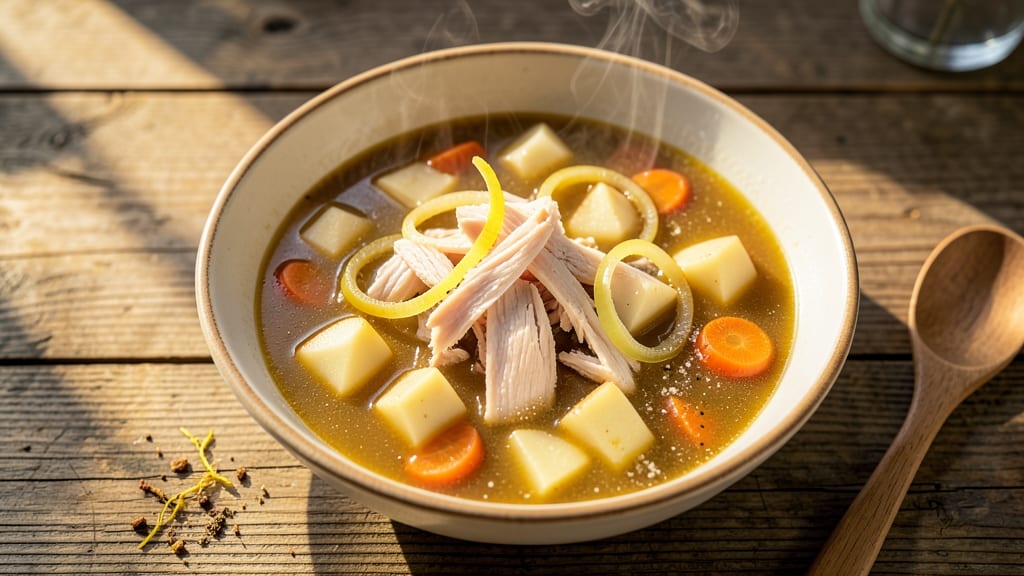
This bariatric potato soup recipe delivers creamy comfort without the heaviness, designed specifically for gentle digestion after weight loss surgery. The secret lies in blending potatoes into a velvety texture while incorporating lean protein and gut-friendly thickeners like arrowroot powder.
Every spoonful is nutrient-packed yet easy to digest, making it perfect for both early pureed stages and later soft-texture meals.
What sets this recipe apart is the careful balance of ingredients: low-sodium broth, pureed potatoes (skins removed), and lean chicken or turkey for protein. The soup is slow-cooked to break down fibers further, then blended smooth for effortless digestion.
No heavy cream or butter here—just wholesome, bariatric-safe ingredients that still satisfy cravings for warm, comforting soup.
By using xanthan gum or arrowroot as a thickener, you achieve that familiar creamy consistency without added fat or dairy. Each serving is portion-controlled and packed with nutrients to support recovery while keeping calories in check. The result? A soup that feels indulgent but aligns perfectly with post-bariatric meal plans.
Ideal for meal prepping or serving as a light lunch, this recipe adapts easily to different stages of bariatric recovery. Whether you're in the pureed phase or transitioning to soft textures, the gentle ingredients and smooth texture make digestion a breeze.
Let's create a nourishing, gut-friendly version of a classic comfort food.
Ingredients for bariatric potato soup
Gut-friendly ingredients designed for gentle digestion after weight loss surgery, blending nutrition with comforting texture.
| Ingredient | Amount | Notes |
|---|---|---|
| Low-Sodium Chicken Broth 🍲 | 4 cups | Homemade or high-quality store-bought |
| Russet Potatoes 🥔 | 2 medium | Peeled, skins removed |
| Yellow Onion 🧅 | 1 medium | Diced, skins removed |
| Carrots 🥕 | 3 medium | Peeled, chopped into small pieces |
| Lean Chicken Breast 🍗 | 8 oz | Boneless, skinless, diced small |
| Arrowroot Powder 🌾 | 1 tbsp | For gentle thickening |
| Xanthan Gum 🧪 | ¼ tsp | Alternative thickener option |
| Fresh Parsley 🌿 | ¼ cup | Chopped, for garnish |
| Garlic Cloves 🧄 | 2 cloves | Minced, for flavor |
| Olive Oil 🫒 | 1 tbsp | Light, for cooking |
| Salt 🧂 | ¼ tsp | Low-sodium preferred |
| Black Pepper 🌶️ | ⅛ tsp | Freshly ground |
| Low-Fat Milk 🥛 | ½ cup | Optional for creaminess |
The potatoes are the heart of this recipe, so choose Russet potatoes for their smooth texture when cooked. Peeled and cubed uniformly, they blend into a velvety consistency perfect for bariatric digestion. For the broth, homemade low-sodium chicken broth is ideal—look for brands like Imagine or Pacific Foods in the health food aisle if making your own isn't an option. The chicken should be lean and diced finely to ensure easy digestion while providing necessary protein. Fresh garlic and parsley add flavor without fiber, making them perfect additions here.
No arrowroot powder? Xanthan gum at half the amount works equally well for thickening, though arrowroot has a slightly cleaner finish. Want to skip the milk entirely? Unsweetened almond milk adds creaminess without dairy. The carrots can be steamed beforehand to soften them further if you're in an earlier pureed stage. For extra flavor without added calories, a pinch of onion powder can replace fresh onion if needed. Always measure your thickeners carefully—too much can make the soup gummy, while too little leaves it watery.
Store pre-portioned servings in glass containers for up to 4 days in the refrigerator. Freeze for 3 months by portioning into ice cube trays, then transferring to a freezer bag. Reheat gently on the stove or microwave until steaming, stirring occasionally to maintain that silky texture. For meal prep, double the batch and freeze half—perfect for busy days when digestion-friendly meals are needed quickly. Always label with the date to track freshness.
Why You'll Love This Recipe
- Here’s what sold me: the chicken breast stays tender without falling apart, and the low-sodium broth keeps it light—yet the carrots and onions add natural sweetness that makes it feel indulgent. (Yes, even on a Tuesday night.)
- One-Pot Wonder: I swear by this recipe because it’s actually one-pot—no chopping boards full of scraps, no extra pans. Just a big pot, a knife, and 15 minutes of hands-off simmering while the onions caramelize and the broth works its magic.
- Lean but Rich: Here’s what sold me: the chicken breast stays tender without falling apart, and the low-sodium broth keeps it light—yet the carrots and onions add natural sweetness that makes it feel indulgent. (Yes, even on a Tuesday night.)
- Meal Prep MVP: Between us, this is my go-to for lunches. The potatoes hold up perfectly when reheated, and the broth thickens just enough to stay cohesive. I double the batch, freeze half, and thank myself later when I’m not scrambling for dinner ideas.
Step-by-step instructions for bariatric potato soup
Here's how to create a nourishing, gut-friendly potato soup with controlled thickness and balanced nutrition.
Sauté Aromatics for Flavor Foundation
Heat the 1 tablespoon olive oil in a large pot over medium heat until shimmering. Add the 1 medium yellow onion and 2 cloves garlic cloves (minced), cooking for 3-4 minutes until the onion becomes translucent and the garlic releases its aroma.
This step develops the flavor base without adding excess fat. I stir frequently to prevent browning—we want soft, sweet onion rather than caramelized bits. The garlic should cook just until fragrant, about 30 seconds after adding, to avoid bitterness.
Cook Vegetables Until Tender
Add the 2 medium russet potatoes (cut into ½-inch cubes), 3 medium carrots (chopped into small pieces), 0.25 teaspoon salt, and 0.125 teaspoon black pepper to the pot. Pour in the 4 cups low-sodium chicken broth and bring to a gentle boil over medium-high heat.
Once boiling, reduce heat to medium-low and simmer uncovered for 12-15 minutes until the potatoes and carrots are fork-tender with just a slight resistance. The vegetables should be soft enough to mash slightly when pressed with a fork but still hold their shape.
Add Chicken and Thicken Gently
Add the 8 ounces lean chicken breast (diced into small pieces) to the simmering vegetable mixture. Cook for an additional 5-7 minutes until the chicken reaches an internal temperature of 165°F and is fully cooked through.
In a small bowl, whisk together the 1 tablespoon arrowroot powder with 2 tablespoons of the soup's cooking liquid until smooth. Slowly pour this mixture back into the pot while stirring constantly. The soup should begin to thicken within 1-2 minutes. For an alternative texture, you can use 0.25 teaspoon xanthan gum instead, whisking it directly into the soup for a more stable thickening.
Incorporate Creaminess and Final Adjustments
Stir in the 0.5 cup low-fat milk (if using) and simmer for an additional 2-3 minutes to blend the flavors. Taste and adjust seasoning with additional salt or pepper if needed—remember, we're aiming for a mild yet flavorful profile suitable for bariatric diets.
Remove from heat and let the soup rest for 5 minutes to allow the flavors to meld. This resting period also helps stabilize the thickening agents. The final consistency should be smooth yet spoonable, with no lumps and a velvety texture.
Garnish and Serve with Care
Ladle the soup into bowls and garnish each serving with 1 tablespoon chopped fresh parsley. The parsley adds freshness and visual appeal without significantly altering the nutritional balance. Serve immediately while warm, as the texture may slightly thicken further upon cooling.
For bariatric patients, I recommend serving this soup at room temperature or slightly warmed to avoid triggering reflux. The controlled thickness and gentle seasoning make it easier to digest while still providing satisfying flavor and nutrition.
Pro Tips For Making Bariatric Potato Soup
- PREP POTATOES SMALL: Cut Russets into ½-inch cubes—no bigger, or they’ll turn to mush. I learned this the hard way when my first batch dissolved into a gluey mess, and now I double-check the size before adding them to the pot.
- SIMMER CHICKEN LOW: Cook the lean chicken breast at a gentle boil, or it’ll dry out like cardboard. After 12-15 minutes, the internal temp should hit 165°F—pull it early, or you’ll end up with rubbery, flavorless shreds.
- PEEL ONIONS LAST: Add the diced yellow onion and carrots after the potatoes start softening—about 10 minutes in. This keeps them from turning to mush while letting the potatoes absorb all the broth’s goodness.
- USE BROTH TWICE: Save the first batch of broth you simmer the chicken in—strain it, then use it to thin the soup if it gets too thick. It’s got all the chicken flavor, and you won’t waste a drop. (Yes, even if you’re lazy like me.)
Essential equipment for perfect results
Blender for Silky Texture
Invest in a high-quality immersion blender like the Ninja QC1400—it’s perfect for blending directly in the pot without transferring hot soup. This avoids lumps and keeps the process efficient. For a smoother finish, strain through a fine-mesh sieve after blending to remove any remaining fibers. 💫
Pot with Lid for Even Cooking
A heavy-bottomed pot with a tight-fitting lid, like the All-Clad Stainless Steel, prevents scorching and ensures even heat distribution. This is crucial when simmering vegetables and chicken—uneven cooking can lead to tough textures. I always use a lid to trap steam, which helps tenderize the ingredients faster.
Measuring Spoons for Thickeners
Precision matters with thickeners like arrowroot powder or xanthan gum. Use small, accurate measuring spoons (I recommend OXO Good Grips) to avoid over-thickening. Too much can make the soup gummy, while too little leaves it watery.
A ½-teaspoon scoop is ideal for xanthan gum, and a ¼-teaspoon for arrowroot.
Thermometer for Chicken Safety
A digital instant-read thermometer (like the ThermoWorks Thermapen) ensures the chicken reaches 165°F safely. This is especially important for bariatric patients, as undercooked protein can be harder to digest. I check the thickest piece of chicken to confirm it’s fully done before blending.
Glass Containers for Storage
Store leftovers in glass containers (such as Pyrex) to maintain freshness and avoid absorbing odors. These containers are also freezer-safe and help preserve the soup’s velvety texture.
Label each container with the date to track freshness—this soup stays good for 4 days in the fridge or 3 months in the freezer.
Fine-Mesh Strainer for Smoothness
For an extra-smooth texture, strain the blended soup through a fine-mesh strainer or cheesecloth. This removes any remaining potato fibers, making it ideal for early bariatric stages.
I use a stainless steel strainer for durability and easy cleanup. The result is a silky, gut-friendly consistency perfect for gentle digestion. 🥄
Nutrition facts
Frequently asked questions
Can I make this soup for early bariatric stages?
Yes, this recipe works for early pureed stages with a few adjustments. Blend the soup until completely smooth, then strain through a fine-mesh sieve or cheesecloth to remove any remaining fibers. For extra safety, you can also steam the potatoes and carrots until completely tender before blending.
What if I don't have arrowroot powder?
No problem! Use 0.25 teaspoon xanthan gum instead for thickening. For a dairy-free option, replace the milk with unsweetened almond milk. The soup will still be creamy but with a slightly different texture. Just remember that xanthan gum is much more potent—start with half the amount and adjust as needed.
How do I prevent the soup from getting too thick?
If your soup thickens too much after cooling, simply add 1-2 tablespoons warm broth. Stir gently until you reach your desired consistency. For prevention, avoid overcooking the vegetables—just until fork-tender—and measure your thickeners precisely using accurate measuring spoons.
Can I use a different protein besides chicken?
For variety, try lean ground turkey. Or for a dairy-free option, use silken tofu. Just ensure the protein is finely diced and fully cooked to 165°F for safety. The texture will be slightly different, but the soup will still be gentle on digestion.
How should I store and reheat leftovers?
Store in glass containers. Refrigerate for up to 4 days. For freezing, portion into ice cube trays, then transfer to a freezer bag for up to 3 months. Reheat gently on the stove over low heat. Stir occasionally to maintain that velvety texture—never microwave directly from frozen.