
Soups & Stews
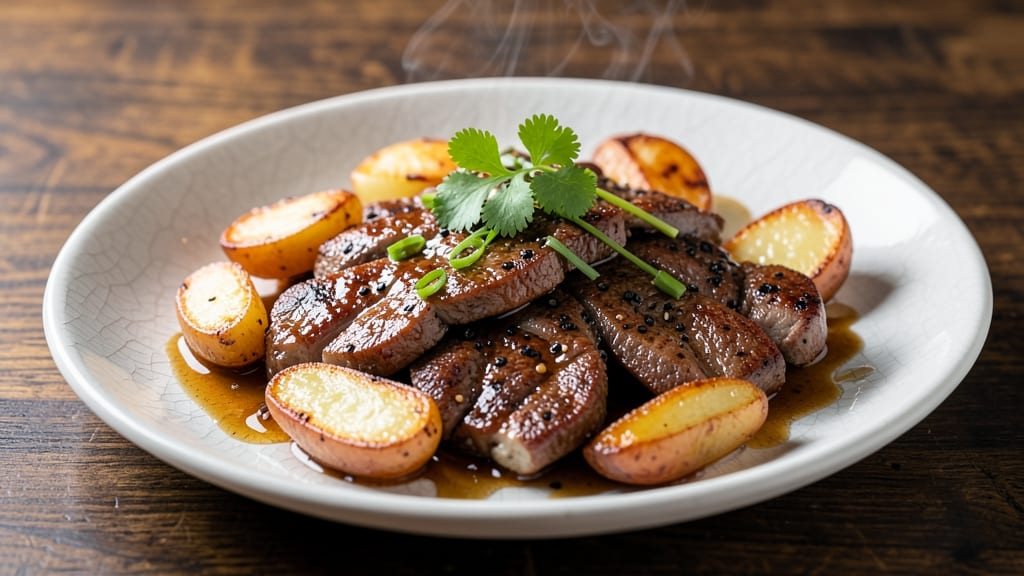
This beef and potato Chinese recipe delivers the perfect balance of tender beef, hearty potatoes, and deep umami flavors that define classic Chinese comfort food. 🔥 The secret lies in a wok-fried technique that creates a caramelized crust on the beef while keeping the potatoes perfectly tender—just like your favorite takeout dish, but made at home.
The beauty of this recipe is its versatility—whether you're recreating a Sichuan-style stir-fry with chili oil or a Cantonese-inspired braise, the foundation remains the same. Thinly sliced beef marinated in soy sauce and cornstarch ensures a tender, flavorful bite, while potatoes absorb the savory sauce beautifully. The result?
A dish that’s rich, satisfying, and packed with layers of taste. What makes this recipe stand out is how it transforms simple ingredients into something extraordinary. The beef develops a glossy, caramelized finish, while the potatoes stay creamy and intact, soaking up the aromatic sauce.
Serve it over steamed rice for a complete meal, or pair it with stir-fried greens for a well-rounded dish. This is the kind of recipe that brings restaurant-quality flavors to your kitchen—bold, balanced, and impossible to resist. Let’s get cooking!
Ingredients for beef and potato chinese
Thinly sliced beef and hearty potatoes transform into restaurant-quality Chinese harmony with these precise ingredients.
| Ingredient | Amount | Notes |
|---|---|---|
| Flank Steak 🥩 | 1 ¼ lb | Thinly sliced against grain |
| Russet Potatoes 🥔 | 2 lbs | Cut into 1-inch cubes |
| Light Soy Sauce 🥄 | ½ cup | High-quality brand preferred |
| Dark Soy Sauce 🥄 | 1 tbsp | For color and depth |
| Shaoxing Wine 🍷 | 2 tbsp | Substitute dry sherry |
| Cornstarch 🌾 | 2 tbsp | For beef marinade |
| Sesame Oil 🫒 | 1 tbsp | Toasted, for aroma |
| Garlic Cloves 🧄 | 6 cloves | Minced for marinade |
| Ginger Root 🌿 | 1 ½ tbsp | Freshly grated |
| Vegetable Oil 🫒 | ½ cup | High smoke point |
| Green Onions 🧅 | 4 whole | Sliced for garnish |
| Dried Chili Flakes 🌶️ | 1 tsp | Adjust for heat |
| Salt 🧂 | 1 ½ tsp | Diamond Crystal preferred |
| White Pepper 🌶️ | ½ tsp | Freshly ground |
The flank steak is non-negotiable here—its lean yet tender texture becomes the star when sliced thinly against the grain. For the best quality, source from Whole Foods or a trusted butcher, ensuring it's well-marbled. The Russet potatoes, with their high starch content, absorb the sauce beautifully, so avoid waxy varieties like Yukon Golds. For the soy sauces, Lee Kum Kee light and dark soy sauces are industry standards, but any high-quality brands will work. The Shaoxing wine, a Chinese cooking wine, adds depth that dry sherry can't fully replicate, though it's a decent substitute in a pinch. Toast your sesame oil in a dry pan for 30 seconds before adding to the dish—this enhances its nutty aroma without overpowering the dish.
No Shaoxing wine? Dry sherry or mirin work well, though the flavor profile shifts slightly. For the cornstarch, ensure it's pure—no potato starch blends. If you're avoiding gluten, substitute tamari for soy sauce, but be aware the texture will differ slightly. The ginger and garlic should be freshly grated and minced, respectively, as dried or pre-minced versions lack the necessary punch. For extra umami depth, add 1 tbsp of mushroom powder to the marinade. The green onions can be swapped for scallions, but the white parts should be used sparingly—they're more pungent. If you're serving this to guests who prefer less heat, omit the chili flakes entirely; they're optional but add a nice kick.
Prep the beef and potatoes ahead of time to save cooking day stress—they'll keep in the fridge for 2 days if stored in airtight containers. The marinade can be made up to 1 day in advance, though the beef should marinate for no longer than 4 hours to prevent over-tenderizing. This dish reheats beautifully—simmer gently on the stove with a splash of water for 3-4 minutes to revive the sauce. For leftovers, store in the fridge for up to 4 days or freeze for 3 months. When reheating from frozen, thaw overnight in the fridge before simmering. Serve over steamed jasmine rice for an authentic touch, or pair with stir-fried bok choy for a complete meal.
Why You'll Love This Recipe
- One-Pan Magic: I swear by this recipe when I’m too tired to wash dishes. Toss the potatoes and steak together, let the soy sauces and Shaoxing wine work their magic, and boom—one sheet pan, one spatula, done. The potatoes caramelize right alongside the beef, so you’re not stuck scrubbing separate pans.
- Umami Bomb: That combo of light and dark soy sauce? Chef’s kiss. The dark gives it that glossy, deep flavor, while the light keeps it bright and savory. Add a splash of Shaoxing wine, and suddenly you’ve got restaurant-quality depth without the fuss—no fancy ingredients, just pure, addictive taste.
- Lunchbox Hero: Between us, this is my go-to for meal prep. Slice the leftovers cold for sandwiches, or reheat them for a quick lunch—either way, it’s hearty enough to fill up even my hungriest coworkers. The potatoes stay tender, and the beef stays juicy, so it’s never sad desk food.
- Budget Power Move: Flank steak is affordable, potatoes are cheap, and a bottle of Shaoxing wine lasts forever. I’ve made this for date nights, family dinners, and even potlucks without breaking the bank. Honestly, it’s one of those recipes where you get more than you pay for—every time.
Step-by-step instructions for wok-fried beef and potatoes
Master this classic Chinese wok technique for perfectly tender beef and crispy potatoes.
🍳 Step 1: Marinate the Flank Steak
Slice the 1.25 lb flank steak thinly against the grain and place in a bowl. In a small separate dish, mix the 0.5 cup light soy sauce, 1 tbsp dark soy sauce, 2 tbsp shaoxing wine, 2 tbsp cornstarch, 1.5 tbsp freshly grated ginger root, 6 cloves minced garlic cloves, 1.5 tsp salt, and 0.5 tsp white pepper. Pour this marinade over the steak and toss to coat completely.
Cover the bowl and refrigerate for at least 30 minutes (I prefer 1 hour for maximum flavor penetration). This marinade not only seasons the beef but also creates a protective barrier that prevents the meat from drying out during high-heat cooking. The cornstarch will help develop that signature wok-fried texture.
👨🍳 Step 2: Par-Cook the Potatoes
While the beef marinates, place the 2 lbs russet potatoes (cut into 1-inch cubes) in a large pot of cold water. Bring to a boil over high heat, then immediately reduce to a simmer. Cook for 8-10 minutes until the potatoes are fork-tender but still hold their shape when pierced.
Drain immediately and transfer to a colander. Let them cool slightly before proceeding—this prevents them from releasing too much moisture when you add them to the wok later. The partial cooking ensures they finish perfectly without turning mushy during the final stir-fry.
🔥 Step 3: Wok-Fry the Beef to Perfect Doneness
Heat a 14-inch wok or large skillet over high heat until smoking hot. Add 0.5 cup vegetable oil and swirl to coat the bottom evenly. Working in two batches (don't overcrowd), add the marinated beef and stir-fry for 1-2 minutes until the edges turn light brown and the cornstarch coating sets.
Remove the beef to a clean plate and set aside. The high heat is crucial here—it sears the exterior while keeping the interior juicy. If you notice the beef releasing too much liquid, increase the heat slightly. This is your signal to work quickly while maintaining that signature wok-fried texture.
🍳 Step 4: Stir-Fry Potatoes in the Beef's Flavorful Oil
Return the wok to high heat and add the partially cooked potatoes in a single layer. Stir-fry for 3-4 minutes, shaking the wok occasionally to prevent sticking. The potatoes should develop a golden brown crust while remaining tender inside.
Add the reserved beef back to the wok along with 1 tbsp toasted sesame oil and 1 tsp dried chili flakes. Toss everything together for 1-2 minutes until the potatoes are evenly browned and the flavors meld. The residual heat from the wok will carry through the dish, ensuring everything finishes at the same temperature.
🥘 Step 5: Finish with Garnish and Serve
Remove the wok from heat and transfer the beef and potatoes to a serving platter. Garnish with 4 whole green onions (sliced) for freshness and brightness. The contrast between the crispy potatoes, tender beef, and fresh green onions creates the perfect balance of textures.
Serve immediately while everything is piping hot. This dish is best enjoyed straight from the wok when the potatoes are still crispy and the beef retains its juices. The umami depth comes from the combination of soy sauces, ginger, and garlic, while the cornstarch coating gives that signature wok-fried texture we all love.
Pro Tips For Making Beef And Potato Chinese
- Slice Flank Steak Thin: Cut against the grain—no thicker than ¼-inch—so it cooks fast and stays tender. I used to overlook this, and the beef ended up chewy. A sharp knife and a steady hand make all the difference.
- Parboil Potatoes First: Boil whole Russets for 8 minutes before cubing—this keeps them from falling apart later. I learned this the hard way when my potatoes turned to mush in the stir-fry. Don’t skip the parboil.
- Use Dark Soy for Color: Dark soy sauce isn’t just for looks—it adds depth and a glossy finish. Add 1 teaspoon early and let it caramelize slightly before tossing in the beef. Your dish will look (and taste) more restaurant-quality.
- Deglaze with Shaoxing Wine: After searing the beef, splash in 2 tablespoons Shaoxing wine and let it bubble for 30 seconds—this unlocks the meat’s flavor. I was skeptical until I tried it; now I never skip it.
Best sauces and condiments for beef and potato chinese
Classic Soy-Ginger Sauce
This foundational sauce is the heart of your dish, balancing sweet, salty, and umami flavors.
Start with ¼ cup light soy sauce, 1 tbsp dark soy sauce (for color), 1 tbsp Shaoxing wine, 1 tbsp toasted sesame oil, 1 tsp grated ginger, and 1 tsp minced garlic.
Simmer for 2 minutes to meld flavors—this sauce should coat the back of a spoon but remain slightly glossy. 🥄
For extra depth, add ½ tsp white pepper and 1 tsp cornstarch mixed with 1 tbsp water as a slurry. Stir until thickened—this creates a silky finish that clings beautifully to both beef and potatoes.
Keep a small bowl of this sauce on the table for dipping; it’s a game-changer for texture contrast.
Spicy Chili Oil Finish
Elevate your dish with 2 tbsp chili oil (homemade or store-bought like Lao Gan Ma). Heat it in a small pan until fragrant—30 seconds max—then drizzle over the finished beef and potatoes just before serving.
This adds smoky heat without overpowering the sauce. For a milder version, reduce to 1 tbsp and mix with ½ tsp sugar to balance the spice. 🌶️
Pro tip: Toast ½ tsp Sichuan peppercorns in the chili oil for 10 seconds before drizzling. The numbing, citrusy notes create a complex finish that mimics Sichuan-style dishes. Store leftover chili oil in an airtight container for up to 2 weeks—it’s versatile for noodles, dumplings, or even popcorn!
Sweet and Tangy Plum Sauce
Brighten the richness with a homemade plum sauce—blend ¼ cup plum jam, 1 tbsp rice vinegar, 1 tsp soy sauce, ½ tsp grated ginger, and 1 tsp honey. Simmer for 3 minutes until slightly thickened.
This sauce cuts through the savory beef and adds a juicy, fruity contrast. Serve on the side or drizzle lightly over the dish for a restaurant-quality touch. 🍑
For a quicker version, use ½ cup store-bought plum sauce (like Lee Kum Kee) and reduce it by 2 minutes on the stove with 1 tsp cornstarch to intensify the flavor. Pair it with pickled mustard greens for a Sichuan-inspired side that adds crunch and tang.
Umami Boost with Mushroom Sauce
For a deeper, earthier profile, blend ¼ cup dried shiitake mushrooms (soaked in ½ cup hot water), 1 tbsp soy sauce, 1 tsp Shaoxing wine, and ½ tsp sugar.
Simmer until reduced by half—this sauce adds meaty, umami richness without overpowering. Stir it into the soy-ginger sauce at the end for a next-level depth. 🍄
If you’re short on time, use 1 tbsp mushroom powder (like Umami Boost) mixed with 1 tbsp water and ½ tsp soy sauce. Sprinkle it over the dish just before serving—it’s a secret weapon for adding complexity in seconds.
Nutrition facts
Frequently asked questions
Can I substitute flank steak with another cut of beef?
Yes! For this Chinese-style dish, you can use sirloin or ribeye as alternatives, but slice them thinly against the grain for tenderness. Avoid tougher cuts like chuck—they won’t hold up well to the quick cooking time. If using a leaner cut, increase the marinating time to 2 hours to prevent dryness.
Why do the potatoes need to be par-cooked?
Par-cooking the potatoes ensures they finish perfectly tender without turning mushy during the final stir-fry. The 8-10 minute simmer softens them just enough so they absorb the sauce beautifully while still holding their shape. Skipping this step risks potatoes that are either undercooked or falling apart—neither is ideal for this dish!
How can I make this dish less spicy?
Simply omit the dried chili flakes entirely, or reduce them to ½ tsp for a milder version. For extra balance, add ½ tsp sugar to the sauce to counteract any residual heat. The dish will still be flavorful without the spice—this recipe is designed to be adaptable to all heat preferences!
Can I make this recipe in a regular skillet instead of a wok?
While a wok gives the best high-heat sear, a 12-inch cast-iron skillet works perfectly. Just use high heat and work in batches to avoid overcrowding. The key is maintaining that smoking-hot surface—this creates the signature caramelized texture even in a skillet.
What's the best way to reheat leftovers?
Reheat gently in a skillet over medium-low heat with 1 tbsp water or oil for 3-4 minutes, stirring occasionally. Avoid microwaving—it makes the potatoes soggy. For extra crispiness, broil for 2 minutes at the end. Store leftovers in an airtight container for up to 4 days.