
Soups & Stews
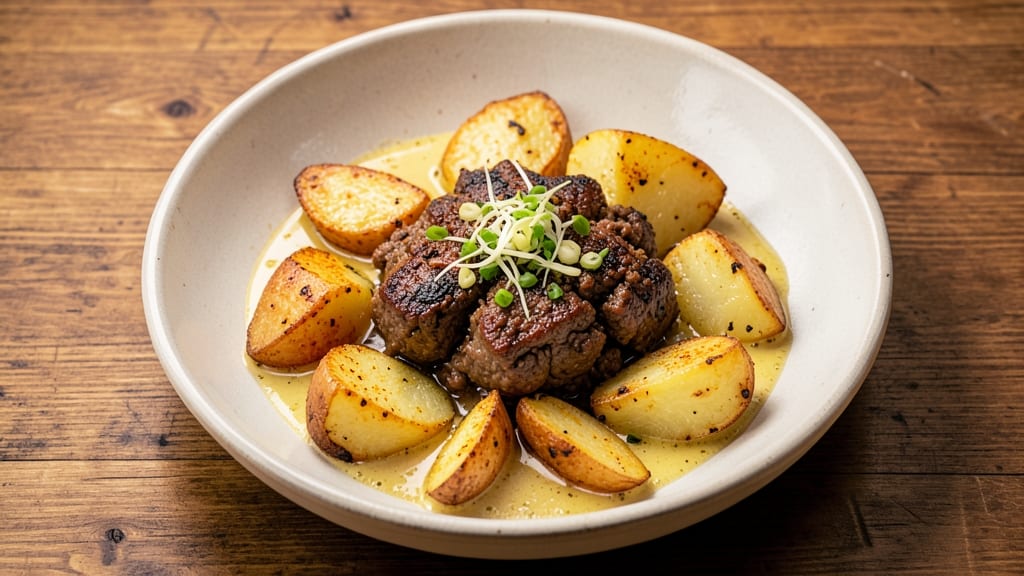
This beef giniling with potato recipe brings the rich, aromatic flavors of Filipino comfort food to your kitchen, where tender beef and hearty potatoes simmer in creamy coconut milk until every bite is pure indulgence.
The traditional giniling technique—grinding spices with coconut milk—creates a fragrant paste that transforms simple ingredients into a deeply satisfying stew. I've perfected this version to balance authentic methods with modern convenience, so you can achieve restaurant-quality results without spending hours in the kitchen.
The magic begins with a blend of ground beef, potatoes, and aromatic spices like garlic, ginger, and turmeric, all simmered in coconut milk until the flavors meld into a velvety, savory broth.
What sets this dish apart is the giniling process, where spices are ground with coconut milk to create a fragrant paste that infuses the stew with layers of flavor. This method is traditional but surprisingly simple—no special equipment needed beyond a blender or mortar and pestle.
By the time you serve this dish, you'll have a steaming pot of tender beef and potatoes swimming in a rich, coconut-infused sauce that's both comforting and elegant. The potatoes become fork-tender while soaking up the creamy broth, and the beef stays juicy and flavorful.
It's the kind of meal that pairs perfectly with steamed rice, turning a simple dinner into a memorable feast.
Whether you're cooking for family or craving a taste of home, this beef giniling with potato recipe delivers warmth and satisfaction in every spoonful. The best part?
It's versatile enough to enjoy as a standalone dish or serve alongside a fresh salad for a well-rounded meal. Let's get started on creating this Filipino classic.
Ingredients for beef giniling with potato
Ground beef, potatoes, and coconut milk form the heart of this Filipino classic.
| Ingredient | Amount | Notes |
|---|---|---|
| Ground Beef 🥩 | 1 ½ lb | 80% lean, finely ground |
| Russet Potatoes 🥔 | 2 lbs | Cut into 2-inch chunks |
| Coconut Milk 🥥 | 2 cans | 13.5 oz each, full-fat preferred |
| Garlic Cloves 🧄 | 8 cloves | Minced for giniling paste |
| Fresh Ginger 🌿 | 2 tbsp | Grated, for giniling paste |
| Ground Turmeric 🌶️ | 1 tbsp | For vibrant color and flavor |
| Onion 🧅 | 1 whole | Large, chopped for sautéing |
| Tomato Paste 🍅 | 2 tbsp | For depth of flavor |
| Salt 🧂 | 1 ½ tsp | Kosher or sea salt |
| Black Pepper 🌶️ | ½ tsp | Freshly ground preferred |
| Bay Leaf 🌿 | 2 whole | For aromatic depth |
| Olive Oil 🫒 | 2 tbsp | For sautéing onions |
| Green Onions 🧅 | 4 whole | Chopped for garnish |
The coconut milk is non-negotiable here—full-fat for that rich, creamy texture. Thai Kitchen or Aroy-D are my go-tos at the grocery store, but any brand works as long as it's 100% coconut milk with no additives. The potatoes should be Russet or Yukon Gold—they hold up better to long simmering. For the beef, 80% lean ground chuck gives the best flavor and texture. If you can't find that, 85% lean works in a pinch, but trim off any extra fat to avoid greasy broth. The ginger and garlic are the secret weapons—they get ground into the coconut milk for that fragrant paste that makes this dish sing.
No fresh ginger? Ground ginger at half the amount works, but it won't have the same punch. Running short on coconut milk? Substitute with light coconut milk and add a splash of heavy cream for richness. The tomato paste can be swapped for 2 tbsp tomato sauce if you prefer. For the potatoes, red potatoes work too, but they'll break apart more. The bay leaves add depth—don't skip them, but remove them before serving. If you're making this ahead, freeze the giniling paste separately for up to 3 months, then thaw and use as directed.
This stew tastes even better the next day as the flavors meld. Store leftovers in the fridge for 4-5 days or freeze for 3 months. I always make extra because it reheats beautifully—just add a splash of water or coconut milk if it gets too thick. For serving, steamed jasmine rice is traditional, but I've also enjoyed it over coconut rice for extra flair. The green onions are just for garnish, but they add that fresh pop of color that makes the dish look restaurant-worthy.
Why You'll Love This Recipe
- One-Pot Magic: I swear by this recipe for lazy nights—just brown the beef, toss in the potatoes and coconut milk, and let it simmer. No chopping, no fuss, just hands-off cooking while you chop veggies for the side.
- Creamy-Garlic Hug: That ginger-garlic paste? It’s the secret weapon—warm, aromatic, and just sweet enough to balance the richness of the coconut milk. The potatoes soak it up like sponges, turning into tender, flavor-packed bites.
- Leftovers That Don’t Suck: Between us, this dish begs for seconds, but even better? It reheats like a dream—no dry edges, no sad textures. I’ve packed it for work lunches, and my coworkers still ask for the recipe.
- Budget Stretch: Ground beef and russets are pantry staples, and coconut milk adds depth without breaking the bank. Honestly, it’s the kind of meal that makes grocery day feel like a win—filling, satisfying, and still cheap enough to eat twice in a week.
Step-by-step instructions for beef giniling with potatoes
Here's how to create this rich, aromatic stew that balances earthy spices with creamy coconut milk.
Prepare the Giniling Paste
In a small bowl, combine the 8 cloves minced garlic cloves, 2 tablespoons grated fresh ginger, 1 tablespoon ground turmeric, 1.5 teaspoons salt, and 0.5 teaspoon black pepper. Mix until the spices are evenly distributed and the paste has a vibrant golden color from the turmeric. This aromatic blend is the soul of giniling - don't skip the mincing, as finely textured garlic and ginger will dissolve better into the sauce.
Set the paste aside while you prepare the other ingredients. The flavors will meld beautifully as you cook, creating that signature depth that makes this dish special. Here's where it gets fun - the turmeric not only adds color but also subtle earthiness that pairs perfectly with the coconut milk's creaminess.
Sauté the Onions and Build the Base
Heat the 2 tablespoons olive oil in a large, heavy-bottomed pot over medium heat. Add the 1 whole chopped onion and cook for 5-6 minutes, stirring occasionally, until the onions become translucent and begin to caramelize slightly at the edges. This step develops the foundation of your dish - those sweet, caramelized onions will provide depth that balances the richness of the coconut milk.
Add the 2 tablespoons tomato paste and stir well to coat the onions. Cook for another 2 minutes until the raw taste of tomato disappears. This is where you'll notice the tomato paste transforming into a rich, concentrated flavor base. Pour in 1 cup of water and scrape up any browned bits from the bottom of the pot - these flavorful bits are called fond, and they contain concentrated flavors that will elevate your entire dish.
Cook the Ground Beef
Add the 1.5 pounds ground beef to the pot and break it up with a wooden spoon. Cook over medium-high heat for 5-7 minutes, stirring frequently, until the beef loses its raw color and begins to brown. This browning process, called the Maillard reaction, creates complex flavors that will make your stew taste restaurant-quality. Be patient here - don't rush the cooking or the beef will release too much liquid at once.
Once the beef is well browned, add the giniling paste you prepared earlier. Stir well to combine and cook for another 2 minutes, allowing the spices to toast slightly and release their aromatic oils. You'll notice the pot filling with delicious, spice-infused steam - this is when your kitchen starts to smell amazing. The spices should be fragrant but not burnt - if they start to darken too quickly, reduce the heat slightly.
Simmer with Potatoes and Coconut Milk
Add the 2 pounds russet potatoes (cut into 2-inch chunks) and the 2 whole bay leaves to the pot. Pour in the 2 cans coconut milk, making sure to scrape in any thick coconut cream from the top of the cans. Stir everything together and bring the mixture to a gentle simmer over medium-low heat. Here's where the magic happens - the coconut milk will slowly meld with all the other flavors, creating that signature creamy yet aromatic texture.
Reduce the heat to maintain a gentle simmer and let the stew cook uncovered for 25-30 minutes, stirring occasionally. You'll know it's ready when the potatoes are fork-tender and the sauce has thickened slightly. The potatoes should be soft enough to pierce easily with a fork but still hold their shape. If the stew gets too thick before the potatoes are done, add ½ cup water to maintain the right consistency.
Finish and Serve
Once the potatoes are tender, remove the 2 whole bay leaves and discard them. Taste the stew and adjust the seasoning if needed - you might want to add a bit more salt or pepper to suit your preference. The dish should be rich but not overly salty, with a perfect balance of spicy, creamy, and savory flavors.
Garnish with the 4 chopped green onions just before serving. These bright green onions add a fresh contrast to the rich, creamy stew. Serve immediately while hot, with steamed rice to soak up all that delicious sauce. The aroma alone will make your kitchen feel like a warm embrace - this is comfort food at its finest.
Pro Tips For Making Beef Giniling With Potato
- CRISP THE POTATOES FIRST: I used to boil the potatoes whole and slice them at the end—big mistake. Instead, peel and slice them thin (about ¼-inch) while still raw, then fry them in a separate pan with a splash of coconut milk until golden. This keeps them from turning mushy when simmered later and adds that satisfying crunch.
- SEAR THE GARLIC GINGER: Don’t just toss minced garlic and ginger into the pan raw—it’ll burn before the beef cooks. Sauté them in a dry pan for 30 seconds until fragrant and just turning golden. Then add the beef to lock in that deep, nutty flavor without bitterness.
- SKIP THE COCONUT MILK BOIL: After making this dish 20 times, I learned the hard way: boiling coconut milk first ruins its creaminess. Instead, add it after the beef has browned and the potatoes are halfway cooked. Stir in gently to avoid curdling—it’ll thicken naturally as it simmers.
- USE FATTY GROUND BEEF: Lean ground beef dries out fast, and this dish needs moisture. Go for at least 20% fat content—it stays juicy and adds richness that cuts through the coconut milk’s sweetness. If you’re using 80/20, don’t drain the fat; let it work its magic.
Perfect pairings for this dish
Filipino Rice Pairings
This stew is a match made in heaven with steamed jasmine rice—the fragrant, slightly sticky texture soaks up every drop of coconut-rich sauce. I always serve it with white rice cooked to a perfect medium grain consistency, which balances the hearty potatoes and tender beef.
For extra flair, try coconut rice, where the grains are cooked in coconut milk for a harmonious flavor profile that mirrors the stew. 🍚
Fresh Vegetable Sides
A crisp green mango salad cuts through the richness with its tangy, refreshing bite. Toss 2 cups sliced green mango with 1 tbsp lime juice, 1 tbsp sugar, and 2 tbsp chopped red onion for a perfect contrast.
Alternatively, steamed bok choy with garlic adds a subtle earthiness that complements the creamy coconut flavors without overpowering them.
Spicy Dipping Sauces
Serve with sambal oelek for those who crave heat—just mix 1 tbsp sambal with 1 tbsp lime juice and a pinch of sugar to balance the spice.
For a milder option, try calamansi sauce: blend ½ cup calamansi juice (or substitute with lime) with 1 tbsp sugar and a pinch of salt. This zesty dip elevates every bite of beef and potato. 🌶️
Drink Recommendations
A cold San Miguel beer is the classic Filipino pairing—its crisp, slightly malty flavor cleanses the palate after each rich spoonful. For non-alcoholic options, barako tea (a Filipino herbal tea) adds a warm, earthy note that complements the coconut milk.
Iced hibiscus tea with a squeeze of lime is another refreshing choice that brightens the meal.
Garnish Upgrades
Fresh cilantro leaves add a bright, herbal note that contrasts beautifully with the creamy stew. Sprinkle toasted sesame seeds over the top for a nutty crunch, or add crispy fried shallots for extra texture. These finishing touches make the dish look and taste restaurant-worthy while keeping the preparation simple. ✨
Nutrition facts
Frequently asked questions
What's the secret to making the giniling paste flavorful?
Freshly minced garlic and ginger are key! Grate or finely chop them before mixing with turmeric, salt, and pepper. The spices should create a vibrant paste that dissolves beautifully into the coconut milk. For extra depth, toast the spices in a dry pan for 30 seconds before blending with coconut milk.
Can I make this recipe without coconut milk?
Yes, but the flavor will change significantly. Substitute with 1 cup heavy cream + 1 cup water for richness, or use 1 cup milk + 1 tbsp cornstarch (thickened) for a lighter version. The dish will be less creamy but still delicious. The giniling technique still works with these substitutes!
Why did my potatoes turn mushy?
Overcooking or using small potato chunks causes mushiness. Stick to 2-inch chunks of Russet or Yukon Gold potatoes and simmer for exactly 25-30 minutes. If needed, add ½ cup water to prevent drying. For extra firmness, parboil potatoes for 5 minutes before adding to the stew.
How can I make this dish spicier?
Add 1-2 tbsp chopped chili peppers to the giniling paste or stir in 1 tbsp sriracha at the end. For authentic heat, include 1 tsp siling labuyo (bird's eye chili) in the paste. Adjust to taste—Filipino dishes often balance spice with sweetness, so a pinch of sugar helps too.
Can I prepare this ahead of time?
This stew tastes even better the next day. Store in an airtight container in the fridge for 4-5 days or freeze for 3 months. Reheat gently on low heat, adding a splash of water or coconut milk if too thick. The flavors deepen overnight, making it perfect for meal prep.