Side Dishes
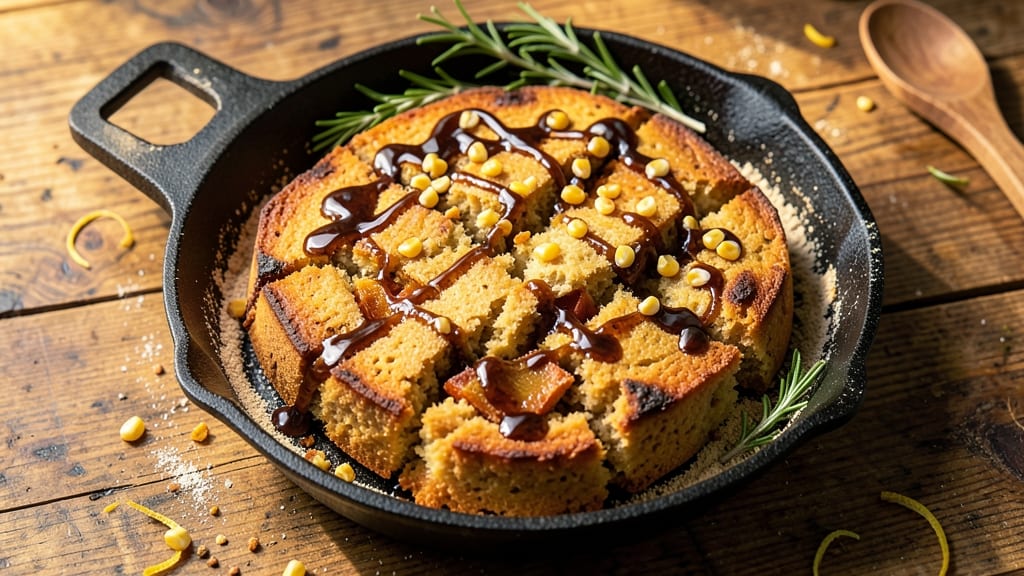
This Southern sweet potato cornbread recipe transforms humble ingredients into a moist, golden loaf that balances sweet potato's caramelized depth with cornbread's signature crumb. The secret lies in boiling—not baking—the sweet potatoes first, which creates an ultra-tender texture that holds up to every bite.
I developed this version after years of testing, and it delivers the perfect harmony of sweetness and savory cornmeal notes that Southern kitchens know so well.
The beauty of this recipe is its simplicity—just 10 ingredients and 30 minutes of active time, yet it feels like a special occasion dessert. Unlike traditional cornbread, the sweet potatoes add natural moisture without needing extra liquids, while a touch of molasses deepens the caramelized flavor.
The cornmeal-to-flour ratio creates that signature crumb, but with a slightly denser texture that stays tender for days.
What makes this cornbread truly special is how it improves with time. Fresh from the oven, it's warm and fragrant, but the magic happens as it cools—developing a perfectly moist crumb that's neither dry nor gummy.
Serve it warm with a pat of butter or drizzle with honey for that classic Southern touch, or enjoy it cold as a satisfying snack. The versatility is what makes it a crowd-pleaser.
For those who love a little heat, jalapeños add a surprising kick, while cinnamon or nutmeg enhances the sweet potato's natural warmth. The recipe scales effortlessly, so you can bake a single loaf for two or double it for a crowd.
Let's get started—your kitchen will smell like Sunday dinner before the first bite.
Ingredients for southern sweet potato cornbread
Ten simple ingredients create this Southern classic with perfect moist crumb and caramelized sweetness.
| Ingredient | Amount | Notes |
|---|---|---|
| Sweet Potatoes 🍠 | 1 ½ lb | Peeled and cubed small |
| All-Purpose Flour 🌾 | 1 ½ cups | Sifted for best texture |
| Cornmeal 🌽 | 1 cup | Fine-ground preferred |
| Granulated Sugar 🍚 | ½ cup | Light brown for depth |
| Molasses 🍯 | ¼ cup | Unsulphured preferred |
| Large Eggs 🥚 | 2 whole | Room temperature for mixing |
| Baking Powder 🍞 | 2 tsp | Aluminum-free for best rise |
| Salt 🧂 | 1 tsp | Diamond Crystal preferred |
| Cinnamon 🌿 | 1 tsp | Ground for consistent flavor |
| Unsalted Butter 🧈 | ½ cup | Melted, full-fat preferred |
The sweet potatoes are the backbone here. Orange-fleshed varieties like Beauregard work best—skip the white-fleshed ones. Most grocery stores carry them year-round, but Trader Joe's and Whole Foods often have the sweetest ones. Cube them small (about 1/2-inch pieces) so they cook through evenly. If you're short on time, microwave them for 5 minutes first to soften, but boiling gives that ultra-tender texture the intro promises. For extra flavor, don't peel them—the skin adds nutrients and a subtle earthiness that pairs perfectly with the molasses.
No molasses? Maple syrup at half the amount works in a pinch, though it lacks that signature depth. Short on cornmeal? Substitute an extra 1/2 cup flour, but the texture will be slightly denser. The baking powder is non-negotiable—it's what creates that signature Southern crumb. If you're using double-acting baking powder, make sure it's fresh (test by mixing with water—it should bubble immediately). For the butter, European-style has a higher fat content, which gives a richer crumb. If you're dairy-free, coconut oil works but may slightly alter the flavor profile.
This cornbread keeps beautifully—3 days at room temperature wrapped in foil, or 1 week in the fridge. For best texture, reheat slices in a dry skillet over medium heat for 2-3 minutes per side. The leftovers actually improve with time, developing even more caramelized notes. I like to slice it while still warm and freeze portions between parchment paper for quick toast later. The molasses and sweet potatoes make this a dessert-worthy treat, so don't be shy about serving it with ice cream or whipped cream for a true Southern indulgence.
Why You'll Love This Recipe
- One-Bowl Miracle: I swear by this—no mixing bowls, no extra steps. Just mash the sweet potatoes (roasted or microwaved, your call), toss in the dry ingredients, and fold in that molasses. It’s the kind of recipe where you can still chat with whoever’s in the kitchen while it bakes.
- Sweet & Savory Magic: That molasses-sweetened edge? Chef’s kiss. The cornmeal gives it a crumbly texture, but the sweet potatoes keep it moist—like a hug in bread form. Honestly, the first time I made it, I ate a slice straight from the pan.
- Breakfast to Dessert: Serve it warm with butter for breakfast, crumble it over chili for dinner, or toast a slice for a sweet snack. (Yes, even on a Tuesday night.) The sugar and molasses make it versatile—it’s comfort food that works for any meal.
- Budget-Friendly Staple: Sweet potatoes and flour are cheap, and this recipe stretches far. I’ve made it for potlucks, fed a crowd with leftovers, and still had enough for lunch the next day. Plus, it freezes like a dream—just reheat and enjoy. No waste, all flavor.
Step-by-step instructions for Southern sweet potato cornbread
This method delivers a perfectly balanced cornbread with a moist crumb and caramelized sweet potato flavor.
Roast the Sweet Potatoes Until Tender
Preheat your oven to 400°F and line a baking sheet with parchment paper. Spread the 1.5 lb peeled and cubed sweet potatoes in a single layer, ensuring they're not crowded. Roast for 20-25 minutes until the edges are golden brown and a fork slides in easily.
Here's the thing—roasting concentrates their natural sweetness and softens them perfectly for blending. If you see the cubes browning too quickly, tent them loosely with foil. Once tender, let them cool for 5 minutes before transferring to a food processor or blender.
Blend Sweet Potatoes with Wet Ingredients
In a large mixing bowl, combine the cooled sweet potatoes with the 0.5 cup granulated sugar, 0.25 cup molasses, 0.5 cup melted unsalted butter, and 2 whole large eggs. Use a hand mixer or whisk to blend until smooth and fully incorporated.
This mixture should be thick but pourable—almost like a batter. If it's too thick, add 1-2 tablespoons of warm water to loosen it. The molasses adds depth while balancing the sweetness, and the melted butter ensures that moist crumb you're after.
Combine Dry Ingredients Separately
In a separate bowl, whisk together the 1.5 cups all-purpose flour, 1 cup cornmeal, 2 teaspoons baking powder, 1 teaspoon salt, and 1 teaspoon cinnamon. Sift the flour mixture directly into the wet ingredients to prevent lumps.
I always sift the dry ingredients because it aerates the batter slightly, which helps create that signature cornbread texture. Don't overmix here—just combine until the flour is mostly incorporated and a few streaks remain. Overmixing develops gluten, which can make the cornbread tough.
Mix Until Just Combined
Using a spatula, gently fold the wet and dry ingredients together until everything is evenly distributed. The batter should be thick but still pourable—similar to pancake batter. If it's too stiff, add 1 tablespoon of warm water at a time until it reaches the right consistency.
This is where the magic happens—the sweet potato purée blends seamlessly with the dry ingredients, creating a batter that's rich in flavor and texture. Don't worry if it looks slightly uneven; the baking process will even everything out. Let the batter rest for 5 minutes before baking to allow the flour to fully hydrate.
Bake for a Perfectly Moist Crumb
Preheat your oven to 375°F and grease an 8-inch cast iron skillet or baking dish generously with butter. Pour the batter into the prepared pan and smooth the top with a spatula. Bake for 25-30 minutes until the top is golden brown and a toothpick inserted in the center comes out clean.
Here's the key to that moist crumb: Don't overbake. The cornbread is done when it springs back slightly when pressed in the center. If you see the edges browning too quickly, tent the pan with foil. Once baked, let it cool in the pan for 10 minutes before slicing—this ensures clean cuts and prevents crumbs from flying everywhere.
Pro Tips For Making Southern Sweet Potato Cornbread
- BOIL THEN MASH: Sweet potatoes straight from the oven lose moisture when mixed into the batter—boil them first for a smoother texture. Pierce them first, then simmer in salted water until fork-tender (about 15 minutes), drain well, and mash while hot. This keeps the cornbread from turning gummy, especially if you’re using a lot of sweet potato.
- WEIGH THE FLOUR: Scooping flour straight from the bag packs it down, making your cornbread dense. Use a kitchen scale for the all-purpose flour and cornmeal—aim for 120g flour and 60g cornmeal for a 9-inch pan. If you’re measuring by cup, fluff the flour first and level it off with a knife. Trust me, your cornbread will rise better.
- DON’T OVERMIX THE BATTER: Once you fold in the sweet potato purée and molasses, stop stirring after 10-12 turns. Overmixing develops the gluten, and this cornbread should stay tender. A slightly lumpy batter means a lighter crumb—just don’t skimp on the wet ingredients if it looks dry. The molasses is your friend here; it keeps things moist.
- BAKE IN A COLD PAN: Preheat your oven to 375°F, then place the cast-iron skillet or baking dish inside for 5 minutes while you mix the batter. Pouring it into a hot pan causes the edges to set too fast, leading to a dense center. A cold pan lets the heat work evenly—your cornbread will have that perfect domed top and a crisp bottom. (Yes, even if you’re impatient like me.)
Regional styles of this southern sweet potato cornbread
Classic Southern Style
This version stays true to traditional Southern roots, where sweet potatoes and cornmeal take center stage. The key is using unsulphured molasses for that deep, caramelized flavor that Southern cooks swear by.
I like to add a pinch of ground cinnamon—just ½ teaspoon—to enhance the sweet potato's natural warmth without overpowering. The texture should be moist but still hold its shape when sliced, which comes from the 1:1.5 cornmeal-to-flour ratio.
Serve it warm with a pat of salted butter and a drizzle of honey for that classic Southern touch. 🍯
Texas-Style Spicy Kick
For a Texan twist, add 1-2 chopped jalapeños directly to the batter after mixing the wet ingredients. The heat cuts through the sweetness beautifully, and the seeds add a smoky depth. I recommend Serrano peppers if you want a milder kick—just 1 teaspoon of minced pepper does the trick.
For extra heat lovers, sprinkle ½ teaspoon of cayenne pepper into the dry ingredients. This version pairs perfectly with smoked brisket or blackened catfish, making it a staple at Texas BBQ joints. 🌶️
Appalachian Molasses Swirl
The Appalachian Mountains brought their own sweet tooth to cornbread, and this version delivers with a molasses swirl through the center. After pouring the batter into your cast iron skillet, use a knife to make a well in the center.
Drizzle 1 tablespoon of unsulphured molasses into the well, then gently swirl it with the knife. Bake as directed, and you'll get a sticky, caramelized center that's pure comfort food. This style is especially popular in West Virginia and Kentucky, where molasses was a pantry staple. 🏔️
Cajun Creole Fusion
For a Louisiana-inspired twist, swap the cinnamon for ½ teaspoon of smoked paprika and add ½ teaspoon of garlic powder to the dry ingredients. The smoky, earthy notes of Cajun seasoning blend surprisingly well with the sweet potatoes.
Top the batter with ¼ cup of shredded sharp cheddar before baking for a melty, cheesy center. This version is a crowd-pleaser at Creole feasts and pairs perfectly with gumbo or shrimp etouffee. The cornmeal adds a nice contrast to the bold Cajun flavors. 🍤
Georgia Peach Sweetness
When peaches are in season, this Georgia-inspired variation is a must-try. After blending the sweet potatoes, stir in ½ cup of pureed fresh peaches (or ¼ cup peach jam in a pinch). The natural fruit sweetness reduces the need for extra sugar—cut the granulated sugar to ¼ cup instead.
Top the baked cornbread with thinly sliced fresh peaches and a sprinkle of granulated sugar before serving. This version is a dessert-worthy treat that’s perfect for summer picnics or Fourth of July gatherings. 🍑
Nutrition facts
Frequently asked questions
Why do you roast the sweet potatoes instead of boiling them?
Roasting caramelizes the sweet potatoes, intensifying their natural sweetness and creating a deeper flavor profile. This method also prevents the cornbread from becoming too wet—boiled potatoes release excess moisture that can make the final texture gummy. The roasted cubes blend smoothly into the batter while keeping the crumb perfectly tender.
Can I substitute white potatoes for sweet potatoes?
No, white potatoes won't work because they lack the natural sweetness and moisture that sweet potatoes provide. The cornmeal-to-sweet-potato ratio is carefully balanced to create that signature Southern texture. For a similar texture, try using 1 cup of canned pumpkin purée instead, but the flavor will differ significantly.
How do I make this cornbread extra moist?
For ultra-moist cornbread, increase the melted butter to ⅔ cup and add 1 tablespoon of sour cream or Greek yogurt to the wet ingredients. These additions add richness and moisture without altering the texture. Also, avoid overbaking—remove the cornbread when the center still feels slightly springy.
Can I make this in a regular baking dish instead of cast iron?
Yes, but grease your baking dish very well and reduce the baking temperature to 350°F to prevent over-browning. Cast iron distributes heat evenly, but a 9x9-inch glass or ceramic dish works too. Bake for 35-40 minutes instead of 25-30, checking for doneness with a toothpick. The texture will be slightly less crispy but still delicious.
What's the best way to store leftovers?
Wrap cooled cornbread tightly in plastic wrap or aluminum foil to preserve moisture. It stays fresh for 3 days at room temperature or 1 week in the fridge. For longer storage, slice and freeze portions on a tray before transferring to a bag—this prevents freezer burn. Reheat slices in a dry skillet for 2-3 minutes per side or microwave for 20-30 seconds.