
Side Dishes
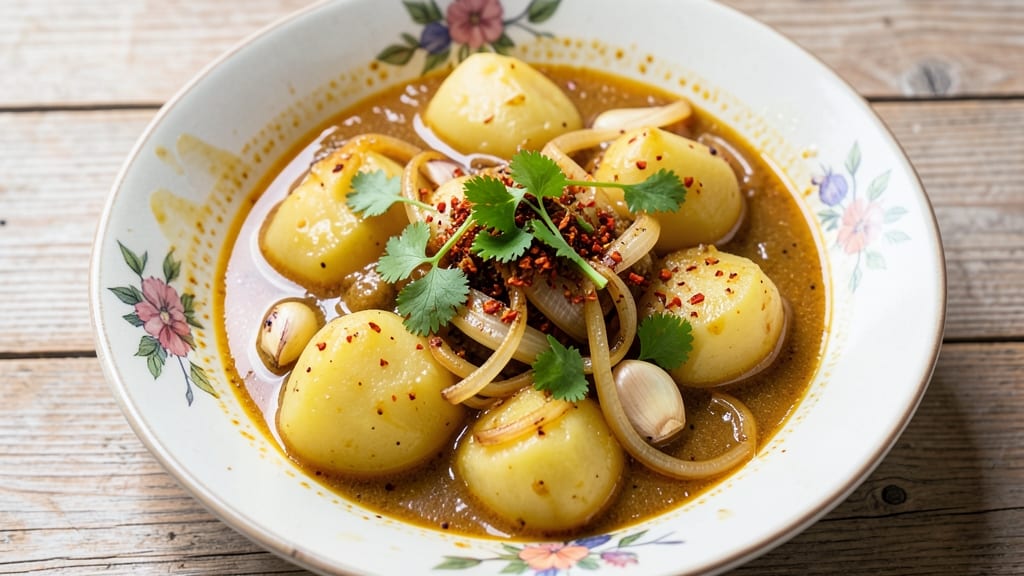
This spicy vegan potato curry delivers bold, aromatic heat without a single drop of dairy or meat. The secret lies in carefully blooming whole spices with coconut oil—creating layers of smoky, earthy warmth that cling to tender potatoes simmered in rich coconut milk.
I developed this recipe after years of perfecting plant-based curries that still pack restaurant-quality depth, proving vegan dishes can be just as fiery and satisfying as their non-vegan counterparts.
The foundation begins with onions and garlic sautéed until golden, then spices like cumin, coriander, and turmeric toasted until fragrant—this step transforms ordinary potatoes into a flavor powerhouse. Coconut milk adds creamy richness while maintaining the dish's vibrant spice profile, and fresh cilantro brightens the final result.
What makes this curry special is how the spices develop complexity over time, rewarding patience with every bite.
By the time you're done, you'll have a pot of golden, aromatic curry with potatoes that are perfectly tender yet hold their shape, all swimming in a sauce that's creamy yet tangy from the coconut and lime.
The heat builds gradually, giving you control over spice levels while maintaining that addictive depth. This dish pairs beautifully with basmati rice, naan, or roti, making it equally at home on weeknight tables or holiday spreads.
Don't be afraid to adjust the heat to your preference—this recipe scales effortlessly from a cozy side dish to a hearty main course. The best part? Every component comes together in one pot, minimizing cleanup while maximizing flavor.
Let's create this vibrant, spicy vegan curry that proves plant-based cooking can be both bold and balanced.
Ingredients for spicy vegan potato curry
These vibrant, aromatic ingredients transform simple potatoes into a fiery vegan curry masterpiece.
| Ingredient | Amount | Notes |
|---|---|---|
| Yellow Onions 🧅 | 1 whole | Thinly sliced for even cooking |
| Garlic Cloves 🧄 | 6 cloves | Minced for aromatic base |
| Fresh Ginger Root 🌿 | 1 ½ tbsp | Grated finely for zing |
| Coconut Oil 🫒 | ½ cup | Unrefined for best flavor |
| Ground Cumin 🌶️ | 1 ½ tbsp | Toasted for deeper aroma |
| Ground Coriander 🌿 | 1 ½ tbsp | Freshly ground preferred |
| Turmeric Powder 🧂 | 1 tbsp | Bright, vibrant color |
| Garam Masala 🌶️ | 1 tbsp | Store-bought blend works fine |
| Red Chili Powder 🔥 | 1 tbsp | Adjust for heat preference |
| Russet Potatoes 🥔 | 2 lbs | Cut into 1-inch chunks |
| Coconut Milk 🥥 | 1 can | Full-fat for creaminess |
| Fresh Cilantro 🌿 | ¼ cup | Chopped for garnish |
| Lime Juice 🍋 | 2 tbsp | Freshly squeezed |
| Sea Salt 🧂 | 1 ½ tsp | Diamond Crystal preferred |
| Black Pepper 🌶️ | ½ tsp | Freshly ground preferred |
The spices are the soul of this curry. Penzeys Spice Shop or bulk bins at Whole Foods have the best whole spices—buy them in small quantities so they stay fresh. Toast your cumin, coriander, and turmeric in the coconut oil until fragrant (about 30 seconds)—this step makes all the difference. Garam masala is non-negotiable; look for blends with cardamom and cinnamon for that authentic depth. The ginger should be fresh, not powdered—it adds a brightness that dried just can't match. If you're short on time, Trader Joe's has pre-grated ginger that works in a pinch.
No fresh ginger? Double the powdered amount, but trust me, it's not the same. Running low on coconut milk? Light coconut milk works, but the full-fat version gives that luxurious creaminess. Want to dial down the heat? Swap half the red chili powder for smoked paprika. The potatoes should be uniform in size so they cook evenly—no need to peel them, just scrub and chop. If you're making this ahead, add the lime juice just before serving to keep the sauce vibrant. The cilantro can be fresh or dried (use one-third the amount), but fresh is ideal for that bright finish.
This curry tastes even better the next day as the flavors meld together. Store leftovers in an airtight container in the fridge for up to 5 days. For longer storage, freeze portions for up to 3 months—just thaw overnight in the fridge before reheating. I always make a double batch because it disappears fast. The sauce thickens as it cools, so add a splash of water or coconut milk when reheating if it's too thick. Serve with basmati rice or warm naan for the full experience.
Why You'll Love This Recipe
- Minimal Chopping Required: I swear by this—just dice one onion, mince a few garlic cloves, and grate a thumb of ginger. That’s it. The rest? Toss in pre-washed potatoes and let the spices do the work while you stir.
- Cumin-Kissed Heat: Between us, that toasted cumin and coconut oil base is chef’s kiss—deep, earthy, and just spicy enough to linger. The ginger and garlic hit like a warm hug, but the kick? Oh, it’s there when you need it.
- Lunchbox Magic: Honestly, this curry tastes even better the next day. Pack it in jars for work—no soggy rice, just creamy, spiced potatoes that stay flavorful for days. My kids actually ask for leftovers.
- Pantry Staple Power: You’re already using what’s in your cabinet: onions, garlic, cumin, maybe a can of coconut milk. No obscure ingredients, no last-minute grocery runs. Budget-friendly? Absolutely. Reliable? Even more so.
Step-by-step instructions for spicy vegan potato curry
This vibrant, aromatic curry delivers bold flavors without a single drop of dairy or meat.
Build the Spice Base in Coconut Oil
Heat the 0.5 cup coconut oil in a large pot over medium heat. Add the 1 whole yellow onions that have been thinly sliced and cook for 5-6 minutes until they become translucent and just starting to caramelize at the edges. This slow cooking develops their natural sweetness.
Add the 6 cloves minced garlic and 1.5 tbsp grated fresh ginger root to the pot. Cook for 2-3 minutes until the garlic becomes fragrant and the raw smell disappears. Here's the thing—don't walk away. Garlic burns faster than you think, and you want that aromatic foundation without bitterness.
Toast the Spice Blend for Maximum Flavor
Reduce the heat to medium-low and add the 1.5 tbsp ground cumin, 1.5 tbsp ground coriander, 1 tbsp turmeric powder, 1 tbsp garam masala, and 1 tbsp red chili powder. Stir continuously for 1-2 minutes until the spices become fragrant and the oil starts to bubble gently around the edges.
This toasting step is crucial—it activates the spices' essential oils and creates that deep, complex flavor profile. You'll know it's ready when the spices release their aroma and the oil begins to shimmer slightly. If it starts smoking, immediately reduce the heat to low to prevent burning.
Add Potatoes and Sauté Until Coated
Add the 2 lbs russet potatoes cut into 1-inch chunks to the pot. Stir well to coat the potatoes thoroughly with the spice oil mixture. Cook for 5-7 minutes on medium heat, stirring occasionally, until the potatoes begin to soften slightly at the edges and absorb the spices.
This step ensures your potatoes won't turn to mush later. The spices will create a flavorful crust on each piece, guaranteeing every bite is packed with that signature curry taste. If the potatoes stick, add 2-3 tablespoons of water and scrape the bottom with a wooden spoon to deglaze.
Simmer in Coconut Milk Until Tender
Pour in the 1 can coconut milk and add 1.5 tsp sea salt and 0.5 tsp black pepper. Stir well to combine, then increase the heat to medium-high and bring the mixture to a gentle boil. Once boiling, reduce the heat to low, cover the pot, and let it simmer for 25-30 minutes until the potatoes are fork-tender and the sauce has thickened.
Check for doneness by piercing a potato with a fork—it should slide in easily with just slight resistance. The sauce should coat the back of a spoon and have a creamy consistency. If it's too thin, uncover and simmer for another 5-10 minutes to reduce. Real talk: don't skip the simmering time. Rushing this step leads to mushy potatoes and watery sauce.
Finish with Lime and Fresh Cilantro
Remove the pot from heat and stir in the 2 tbsp lime juice. This brightens the flavors and cuts through the richness of the coconut milk. Add the 0.25 cup chopped fresh cilantro and stir gently to incorporate. Let the curry sit for 5 minutes to allow the flavors to meld together.
Taste and adjust the seasoning if needed—add more salt if the curry tastes bland, or more red chili powder if you want it spicier. Serve immediately over steamed basmati rice or with warm naan bread. The curry should be vibrant in color, aromatic, and packed with that perfect balance of spicy heat and creamy coconut richness.
Pro Tips For Making Spicy Vegan Potato Curry
- Bloom the Spices Slowly: Cumin burns faster than you’d think—start with coconut oil on medium-low heat, then add ground cumin and stir for exactly 30 seconds before tossing in onions. I learned this the hard way after one batch tasted bitter because I rushed it. Trust me, patience here keeps the flavor clean.
- Grind Ginger Like a Pro: Skip the pre-grated ginger—it’s waterlogged and dull. Use a microplane or knife to shred 1-inch fresh ginger (about 1 tablespoon) directly into the pot while cooking. The oils release better, and you avoid that sad, mushy texture in your curry.
- Don’t Crowd the Potatoes: If your pot looks packed with chopped potatoes, you’re doing it wrong. Leave at least 1 inch of space between them when adding to the curry. This lets them crisp slightly on the edges—no one wants mushy potatoes in a spicy dish.
- Toast the Onions First: After sautéing onions until soft, crank the heat to medium-high for 2–3 minutes until they’re golden, not brown. This caramelizes their natural sweetness and cuts through the heat of the curry. (Yes, even if you’re impatient like me.)
Regional styles of spicy vegan potato curry
Indian Subcontinent Style
In Northern India, this curry would be made with a touch of kasuri methi (dried fenugreek leaves)—about ½ tsp—added during the simmering stage for an earthy depth. The dish often includes tomatoes (1 diced medium) cooked down with the onions for a tangier base.
For authenticity, finish with 1 tsp chaat masala to balance the heat and add a tangy crunch. 🌶️
Thai-Inspired Twist
Thai cuisine would transform this into a green curry by adding 2 tbsp green curry paste (like Maesri) with the spices. Swap coconut milk for light coconut milk, and stir in ½ cup Thai basil, 1 tbsp fish sauce substitute, and 1 tsp palm sugar.
Serve with jasmine rice and a side of cucumber salad to cut the richness. 🌿
Caribbean Fusion
For a Caribbean-inspired version, add 1 scotch bonnet pepper, minced, and 1 tbsp soy sauce. Replace garam masala with 1 tsp allspice, and finish with ½ cup chopped scallions.
This creates a sweet-spicy-savory profile that pairs perfectly with coconut rice. The scotch bonnet adds serious heat—use sparingly if you're sensitive to spice! 🔥
Middle Eastern Adaptation
In the Middle East, this would become a potato and chickpea stew, with 1 can chickpeas, drained, added during the simmer. Swap garam masala for 1 tsp cumin seeds, toasted whole, and add ½ tsp cinnamon.
Finish with 1 tbsp pomegranate molasses, which adds a fruity tang. Serve with warm pita bread for scooping. 🌟
South African Spice Route
South African curries often use curry leaves, which you can find in Indian grocery stores. Add 10-12 curry leaves, crushed, with the onions for a citrusy aroma. Include ½ tsp mustard seeds, toasted in the oil, and finish with 1 tsp curry powder.
This version pairs beautifully with sadza (maize porridge) or crusty bread. 🌶️
Modern Fusion Approach
For a contemporary twist, add ½ cup diced bell peppers, sautéed with the onions, and finish with 2 tbsp vegan sour cream. A sprinkle of smoked paprika, about ½ tsp***, adds depth without overpowering.
This version works as a filling for vegan wraps or as a hearty bowl with quinoa. 💡
Nutrition facts
Frequently asked questions
Can I make this curry less spicy?
Reduce the red chili powder to ½ tbsp or swap it for ½ tsp smoked paprika for warmth without heat. For extra mildness, omit the chili powder entirely and add 1 tsp honey or maple syrup at the end to balance flavors. Always taste as you go—you can adjust heat at the end with lime juice or coconut milk.
What's the best way to store leftovers?
Store in an airtight container in the fridge for up to 5 days. The flavors actually improve overnight! For longer storage, freeze portions for 3 months. Thaw in the fridge overnight—never microwave directly from frozen. Reheat gently on the stove with 1-2 tbsp water to restore creaminess.
Can I use sweet potatoes instead?
Yes! Sweet potatoes work beautifully—they add natural sweetness that pairs perfectly with the spices. Use 2 lbs and reduce simmering time to 20-25 minutes since they cook faster. The flesh will be slightly softer but still hold shape. For extra depth, add ½ tsp cinnamon with the other spices.
Why did my curry turn out watery?
This usually happens from two things: under-simmering or too much coconut milk. First, always simmer uncovered for the last 5-10 minutes to reduce the sauce. Second, use 1 can full-fat coconut milk—light versions make watery curries. If it's still too thin, stir in 1 tbsp cornstarch mixed with 2 tbsp water and simmer until thickened.
What are the best sides for this curry?
This curry shines with basmati rice (especially jeera rice) or garlic naan. For extra texture, add roasted cashews or toasted coconut flakes as garnishes. A simple cucumber raita (yogurt with cucumber and mint) balances the heat beautifully. For a heartier meal, serve with quinoa or roasted chickpeas.