
Side Dishes
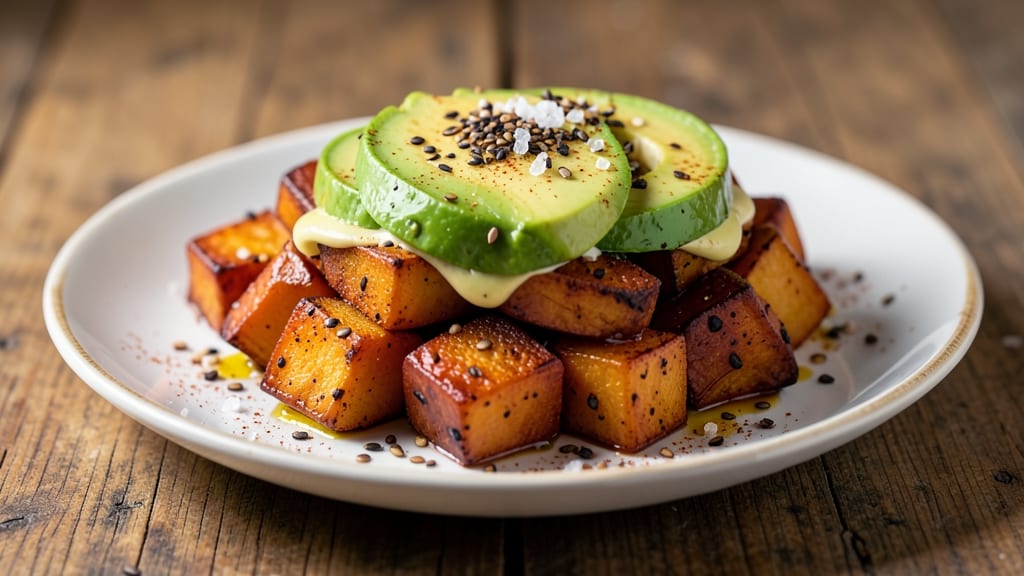
This sweet potato banchan recipe delivers the perfect balance of crispy edges and tender, nutty warmth that elevates any Korean meal. Roasting transforms simple sweet potatoes into a restaurant-quality side dish with minimal effort—just 30 minutes in the oven and a pinch of salt to unlock their natural sweetness.
The secret lies in cutting them into even slices and roasting until caramelized, creating that satisfying crunch that pairs beautifully with rice and protein dishes.
What sets this banchan apart is its versatility—it works as a standalone snack, a side for grilled meats, or a vibrant addition to bibimbap. The natural sugars in sweet potatoes caramelize during roasting, developing a deep, earthy flavor that’s both comforting and sophisticated.
No fancy techniques are needed; just a baking sheet, a drizzle of oil, and a sprinkle of seasoning to achieve professional results at home.
By the time your sweet potatoes emerge from the oven, they’ll be crispy at the edges with tender, flaky centers—each bite offering a perfect contrast of textures and flavors. The nutty warmth comes from the slow caramelization, while the crispy exterior adds an exciting crunch.
This banchan is simple enough for weeknight dinners but impressive enough for gatherings, making it a staple in any Korean-inspired meal.
For extra depth, consider adding a pinch of smoked paprika or a sprinkle of sesame seeds before serving. Store leftovers in an airtight container for up to 5 days, though they rarely last that long.
Let’s get started on this foolproof, flavor-packed side dish that brings authentic Korean comfort to your table.
Ingredients for sweet potato banchan
This sweet potato banchan recipe transforms humble ingredients into crispy, caramelized slices with nutty warmth.
| Ingredient | Amount | Notes |
|---|---|---|
| Sweet Potatoes 🍠 | 2 lbs | Medium-sized, peeled and sliced |
| Avocado Oil 🫒 | 2 tbsp | High smoke point for roasting |
| Sea Salt 🧂 | 1 ½ tsp | Fine grain preferred |
| Black Pepper 🌶️ | ½ tsp | Freshly ground for best flavor |
| Smoked Paprika 🌶️ | ½ tsp | For extra depth of flavor |
| Toasted Sesame Seeds 🌾 | 1 tbsp | For garnish and crunch |
| Sesame Oil 🫒 | 1 tsp | For finishing drizzle |
| Minced Garlic 🧄 | 1 tsp | Freshly minced for aroma |
| Rice Vinegar 🍶 | 1 tbsp | For balancing flavor |
| Soy Sauce 🍶 | 1 tbsp | For umami depth |
| Honey 🍯 | 1 tsp | For subtle sweetness |
Sweet potatoes are the star here—look for firm, vibrant orange ones at the store. Korean markets often carry the best varieties, but any medium-sized sweet potato works. Peeled and sliced into even ¼-inch pieces, they roast to perfection. I always grab a few extra because they’re so versatile—great for snacks or meal prep. The key is cutting them uniformly so they crisp up evenly. If you’re short on time, pre-cut sweet potatoes from the produce section save steps, though fresh is always better.
No smoked paprika? Regular paprika plus a pinch of cayenne works in a pinch. Sesame seeds can be swapped for toasted peanuts if you want extra crunch. The sesame oil adds that signature Korean flavor—Kadoya or Lee Kum Kee are reliable brands. For a sweeter touch, swap honey for maple syrup. The garlic and rice vinegar combo is non-negotiable for that authentic banchan taste, but if you’re out of rice vinegar, apple cider vinegar does the trick. Just remember: the crispier the edges, the better.
Roasted sweet potatoes keep their crispiness for about 3 days in an airtight container, though they’re usually gone by day two. Reheat in a 350°F oven for 5-10 minutes to restore that satisfying crunch. For extra flavor, toss leftovers with a splash of sesame oil and a pinch of salt before reheating. These slices also freeze beautifully—just lay them flat on a tray, freeze, then transfer to a bag. They’ll stay crispy for up to 2 months, perfect for quick meals.
Why You'll Love This Recipe
- No-Fuss Roasting: I swear by this method—just halve those sweet potatoes, toss in avocado oil, and let the oven do the work. No peeling, no fuss, and the edges get that perfect caramelized crunch without me hovering over the stove.
- Smoky-Sweet Magic: That smoked paprika? It’s the star. The sweetness of the potatoes pairs so well with its earthy kick, and a pinch of black pepper ties it all together—simple spices that make it taste like a restaurant dish.
- Meal Prep MVP: I make a big batch on Sundays, and it lasts all week. The flavors even get better as they sit, and it’s the perfect side for everything—grilled meats, rice bowls, or just with a spoon when I’m lazy.
- Budget Bright Spot: Sweet potatoes are cheap, and this recipe stretches them far. A single bag feeds my family for days, and the cost-per-serving is next to nothing. Plus, the salt and pepper are already in my pantry.
Step-by-step instructions for sweet potato banchan
Here's how to get that perfect balance of crispy edges and tender sweet potato goodness.
Prep and Season the Sweet Potatoes
Start by peeling the 2 lbs of sweet potatoes and cutting them into ½-inch thick slices or 1-inch cubes—uniform size ensures even cooking. I like to cut them slightly larger than desired because they'll shrink as they roast. Arrange them in a single layer on a baking sheet lined with parchment paper.
In a small bowl, whisk together 2 tbsp avocado oil, 1.5 tsp sea salt, 0.5 tsp black pepper, and 0.5 tsp smoked paprika. Drizzle this mixture evenly over the sweet potatoes, making sure each piece gets coated. Toss gently to distribute the seasoning, but don't press down—this helps create those crispy edges we're after. Let them sit at room temperature for 15 minutes while you preheat the oven.
Roast Until Crispy and Caramelized
Preheat your oven to 425°F—this high temperature is key for getting those crispy edges. Place the baking sheet on the middle rack and roast for 25-30 minutes, flipping the sweet potatoes halfway through. You're looking for deep golden brown edges with slightly caramelized spots—this is where all the flavor happens. If they're browning too quickly, move the rack to the lower third of the oven.
Real talk: don't walk away during this step. The sweet potatoes go from perfect to burnt in minutes. You'll know they're ready when the edges are crispy enough to stand up to a gentle poke with your finger, but the centers still feel tender when pierced with a fork.
Make the Flavorful Drizzle
While the sweet potatoes roast, prepare the finishing drizzle. In a small bowl, combine 1 tbsp soy sauce, 1 tbsp rice vinegar, 1 tsp honey, 1 tsp minced garlic, and 1 tsp sesame oil. Mix well until the honey dissolves completely—this creates a glossy, flavor-packed sauce that'll take your banchan to the next level.
I like to let this mixture sit for 5 minutes after mixing so the garlic and sesame oil can mingle and develop their aromatic qualities. The soy sauce adds umami depth, the vinegar brightens the sweetness, and the honey gives just enough caramel notes to complement the roasted sweet potatoes.
Finish with Crunch and Serve Warm
Once the sweet potatoes are perfectly roasted, transfer them to a serving platter. Immediately drizzle the garlic-soy mixture evenly over the top, letting it seep into the crevices. Sprinkle with 1 tbsp toasted sesame seeds right before serving—this adds that essential crunch and nutty aroma that makes this banchan so irresistible.
Serve immediately while still warm. The contrast between the crispy edges, tender centers, and that glossy, savory-sweet drizzle is what makes this banchan so special. The sesame seeds will stay crispy if you serve it right away, and the flavors will all come together perfectly in each bite. Pair it with your favorite Korean meal for an authentic touch!
Pro Tips For Making Sweet Potato Banchan
- CUT SLICES THINLY: Use a sharp knife and rock the blade back and forth—no need for fancy mandoline skills. Thinner slices (about ¼-inch) crisp faster and stay tender inside, especially when you’re tossing them in hot oil. I used to struggle with uneven cooking until I realized consistency matters more than speed.
- SALT THE POTATOES FIRST: Toss the raw sweet potato slices with sea salt and smoked paprika for at least 10 minutes before cooking. This draws out moisture, giving you a better sear and deeper flavor. I learned this the hard way—skipping it made my banchan taste bland and soggy.
- USE A LID FOR EVEN CRISPS: Cover the pan with a lid for the first 3-4 minutes of cooking, then remove it to crisp. The steam helps the edges soften while the oil works its magic. I was skeptical—doesn’t that make it steamy?—but it actually gives a better texture than dry-frying alone.
- DON’T OVERCROWD THE PAN: Work in batches if needed—overloading the pan drops the temperature, leading to greasy, uneven cooking. A single layer in hot oil is the only way to get that perfect golden crust. I’ve burned three batches by ignoring this, and now I double-check my pan space.
Perfect pairings for this sweet potato banchan
Rice Pairings
This banchan is designed to complement Korean rice dishes perfectly. Serve alongside steamed short-grain white rice—the neutral base lets the sweet potato's caramelized flavors shine. For extra authenticity, try jinmi rice (Korean glutinous rice) which has a slightly chewy texture that pairs beautifully with the crispy edges. 🍚
For a modern twist, pair with brown rice or wild rice blends to add a nutty contrast that complements the sweet potatoes' natural sweetness. The key is keeping the rice slightly warm when serving—this enhances the aroma and makes each bite more satisfying.
Protein Pairings
Grilled or pan-seared bulgogi beef is the classic pairing—its sweet-savory marinade mirrors the flavors in this banchan. The crispy sweet potatoes cut through the richness of the meat beautifully. I often serve them together for a complete Korean meal experience. 🥩
For seafood lovers, try pairing with grilled salmon or mackerel. The omega-3s in the fish complement the sweet potatoes' natural sugars, creating a balanced meal. The crispy texture also contrasts nicely with the tender fish flesh.
Vegetable Pairings
A simple quick-pickled cucumber salad (oi muchim) adds refreshing acidity that balances the sweet potatoes' richness. The cool crunch of the cucumbers contrasts perfectly with the warm, crispy banchan. I make mine with ½ cup rice vinegar, 1 tbsp sugar, and a pinch of salt. 🥒
For a heartier side, pair with kimchi—the spicy, fermented flavors create an exciting contrast with the sweet potatoes' caramelized notes. The combination of textures (crispy, soft, and tangy) makes each bite more dynamic.
Drink Pairings
A cold Korean barley tea (boricha) is the traditional choice—its nutty, slightly sweet flavor complements the caramelized sweet potatoes beautifully. The tea's warmth also helps balance the crispy edges' intensity. ☕
For a modern approach, try pairing with sparkling water with lemon or a light green tea like jasmine. The effervescence cleanses your palate between bites, while the tea's delicate flavors enhance the sweet potatoes' natural sweetness.
Nutrition facts
Frequently asked questions
Can I use regular potatoes instead of sweet potatoes?
While you can use regular potatoes, they won't give you the same rich, nutty flavor or caramelized sweetness that makes this banchan special. Sweet potatoes have a lower moisture content and more natural sugars, which create that perfect crispy edge with tender centers. If you're set on regular potatoes, try russets—they're the closest in texture, but expect a less flavorful result.
How do I get the sweet potatoes extra crispy?
The secret is in the prep! Cut them into ¼-inch thick slices (not cubes) and arrange them in a single layer with plenty of space between each piece. Use a high oven temperature (425°F) and roast for 25-30 minutes, flipping halfway. For extra crispiness, pat them dry with a paper towel before seasoning to remove excess moisture. A light coating of oil is key—too much will make them greasy instead of crispy.
Can I make this banchan ahead of time?
Yes! Roast the sweet potatoes up to 2 days ahead and store them in an airtight container at room temperature. They'll lose some crispiness but regain it when reheated in a 350°F oven for 5-10 minutes. For best results, make the garlic-soy drizzle fresh before serving. If storing longer than 2 days, refrigerate and reheat until warm—just know the texture will be softer.
What if I don't have sesame seeds or sesame oil?
No problem! Swap sesame seeds for toasted peanuts or sunflower seeds for crunch, and use neutral oil (like avocado or vegetable oil) instead of sesame oil. The flavor will still be delicious—just slightly less authentic. For extra depth, add a pinch of Korean red pepper flakes (gochugaru) to the drizzle if you're serving it with spicy dishes. The recipe is flexible enough to work with what you have!
Is this banchan spicy?
Not at all! This recipe is naturally sweet and savory with just a touch of smokiness from the paprika. The garlic-soy drizzle adds umami without any heat. If you want to make it spicy, add ½ tsp Korean red pepper flakes (gochugaru) to the seasoning or drizzle. For a milder version, skip the smoked paprika entirely—it's optional for extra depth.