
Side Dishes
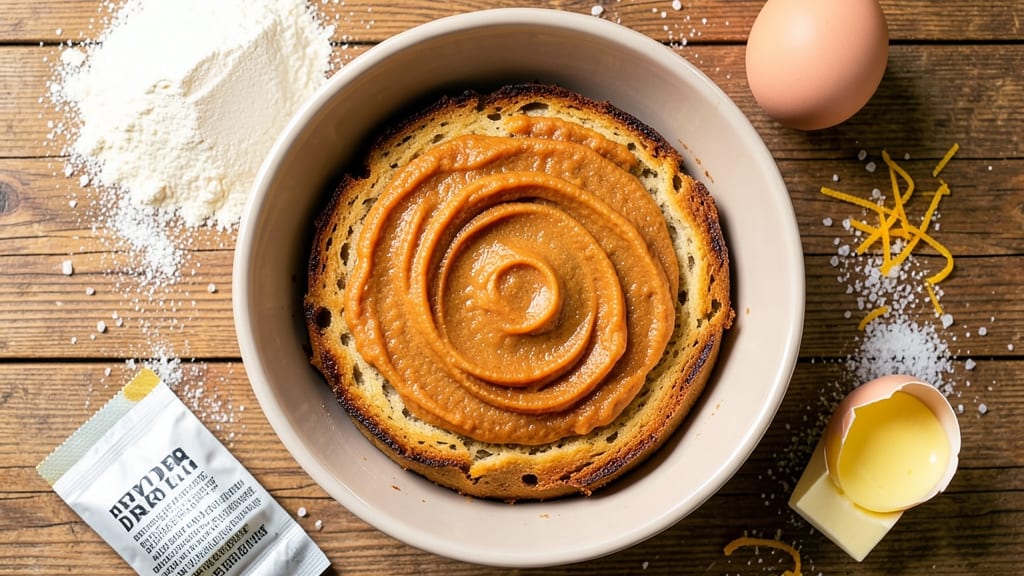
This sweet potato bread machine recipe transforms humble ingredients into a warmly spiced loaf with a moist crumb that disappears with every bite. The secret lies in blending sweet potato purée with classic bread dough—creating a tender texture and subtle natural sweetness that elevates everyday toast.
I've tested this recipe dozens of times, and it consistently delivers a golden crust with that perfect pull-apart crumb, whether you're making it for breakfast or holiday sides.
The beauty of this bread machine method is its simplicity—just combine the ingredients, let the machine do the work, and you'll end up with a loaf that's richer than store-bought but easier to make.
The sweet potato adds moisture without overpowering the dough, while cinnamon and nutmeg create warm, comforting aromas that fill your kitchen. No need for fancy equipment or advanced techniques; this recipe works with basic pantry staples and your bread machine's dough cycle.
What makes this recipe truly special is how versatile it is. Serve it warm with butter for breakfast, toast it with jam for a quick snack, or use it as the base for French toast that'll impress your guests.
The sweet potato gives it a subtle earthy depth that pairs beautifully with both sweet and savory toppings. Once you try homemade, you'll never go back to the dry, dense loaves you find in stores.
For an extra boost of flavor, consider adding a touch of orange zest to the dough or topping the loaf with coarse sugar before baking. The bread keeps well at room temperature for 2-3 days or can be frozen for up to 3 months, making it perfect for meal prep.
Let's get started on this foolproof recipe that'll become a staple in your household.
Ingredients for sweet potato bread recipe for bread machine
Sweet potato purée, warm spices, and basic pantry staples create this tender, moist loaf.
| Ingredient | Amount | Notes |
|---|---|---|
| Sweet Potato Purée 🍠 | 1 cup | Homemade or canned, unsweetened |
| All-Purpose Flour 🌾 | 3 cups | White or whole wheat blend |
| Active Dry Yeast 🍞 | 1 package | Or 2.25 tsp (1 packet) |
| Granulated Sugar 🍚 | ¼ cup | White or brown sugar |
| Unsalted Butter 🧈 | ½ cup | Melted, room temperature |
| Large Eggs 🥚 | 1 whole | Room temperature |
| Milk 🥛 | ½ cup | Whole or 2% preferred |
| Ground Cinnamon 🌿 | 1 ½ tsp | Freshly ground preferred |
| Ground Nutmeg 🌿 | ½ tsp | Freshly grated for warmth |
| Salt 🧂 | ½ tsp | Kosher or sea salt |
| Orange Zest 🍊 | 1 tbsp | Optional, for citrus brightness |
| Coarse Sugar 🍚 | 1 tbsp | For topping (optional) |
| Water 💧 | ¼ cup | Warm, ~110°F |
The sweet potato purée is the star here—canned unsweetened works in a pinch, but homemade (steamed and puréed) gives the best texture. Trader Joe's sells pre-made purée in a tube, which is perfect for lazy days. For the spices, Penzeys or bulk bins at grocery stores have the freshest ground cinnamon and nutmeg. If you're feeling fancy, add a splash of vanilla extract (½ tsp) to the dough for extra depth. The orange zest? Grab a bright organic orange from the store—just the outer layer, no pith. And for the butter, Land O'Lakes or Kerrygold melt beautifully without overpowering the sweet potato flavor.
No sweet potato purée? Mashed regular potato works, but the flavor will be milder. Out of cinnamon? Pumpkin pie spice at half the amount gives a similar warmth. The yeast is non-negotiable—if it's past its expiration date, toss it. For the milk, any kind works, but whole milk gives the richest texture. Want to make this nut-free? Skip the optional orange zest or use lemon zest instead. The bread machine does all the work, but if you're adding the coarse sugar topping, sprinkle it on after the dough cycle ends and before the baking cycle starts—it'll caramelize beautifully.
This bread keeps best in an airtight container at room temperature for 3 days, but it's even better the next day once the flavors meld. For longer storage, wrap tightly in foil and freeze for up to 3 months. To reheat, wrap a slice in foil and warm in a 350°F oven for 5-10 minutes. The crust stays crisp for about 2 hours after baking, so if you're making it ahead, store it in the fridge and let it sit at room temperature for 10 minutes before serving. Leftovers? Toast them for breakfast—they're even better the second time around.
Why You'll Love This Recipe
- No Yeast Hassle: I’ll be real—this bread machine magic means no kneading, no waiting for dough to rise on the counter. Just toss in the sweet potato purée (already cooked, no stress) and let the machine do the work. My kids think it’s like baking with a robot, but honestly? It’s just smart.
- Sweet Potato Magic: That purée isn’t just filling—it’s what makes this bread ridiculously good. The natural sweetness from the sweet potato (no extra sugar needed, really) gives it a warm, moist crumb that’s like a hug in bread form. And the butter? Just enough to keep it tender without being greasy.
- Breakfast or Snack: Here’s what sold me—this bread is versatile. Toast it for breakfast with peanut butter, slice it for sandwiches, or serve it warm with jam. I’ve even used it for French toast (yes, even on a Tuesday night). One loaf covers so many bases, it’s my go-to for lazy mornings and unexpected guests.
- Budget-Friendly Staple: Sweet potatoes are cheap, and this recipe stretches them far. A single purée batch makes two loaves, and the flour/yeast/sugar combo is basic pantry stuff. Plus, leftovers? They last forever—freeze slices for quick toast later. My wallet (and my taste buds) thank me every time.
Step-by-step instructions for sweet potato bread machine recipe
Here's how to transform simple ingredients into a wonderfully moist, spiced loaf using your bread machine.
Prepare the Sweet Potato Base
In a medium bowl, combine the 1 cup sweet potato purée with the 0.25 cup granulated sugar and 1 tbsp orange zest. Mix well until fully incorporated. The purée should be smooth with no lumps—this ensures an even texture in your bread. I like to press the mixture through a fine-mesh sieve if it's particularly chunky, as this prevents any gritty bits in the final loaf.
In a separate small bowl, melt the 0.5 cup unsalted butter in the microwave for 20-30 seconds, just until it's fully liquid but not hot. Let it cool slightly before adding it to the sweet potato mixture. This warm butter blends more easily and helps create a tender crumb. Stir until completely combined with the sweet potato mixture.
Mix Wet and Dry Ingredients
In your bread machine pan, combine the 3 cups all-purpose flour, 1.5 tsp ground cinnamon, 0.5 tsp ground nutmeg, and 0.5 tsp salt. Whisk these dry ingredients together lightly to distribute the spices evenly throughout the flour. This step prevents pockets of concentrated spice that could create uneven flavor in your loaf.
Create a well in the center of the dry ingredients and pour in the sweet potato mixture, melted butter, 1 whole large egg, and 0.5 cup milk. Use a wooden spoon to gently mix everything together until just combined—you should still see some dry flour streaks. Overmixing at this stage can develop too much gluten, which would make your bread dense instead of light and moist.
Activate the Yeast
In a small bowl, sprinkle the 1 package active dry yeast over the 0.25 cup warm water (about 110°F). Let it sit for 5 minutes until it becomes foamy and bubbly. This indicates the yeast is active and ready to work. If it doesn't foam, your yeast may be dead—start fresh with a new package.
Pour the yeast mixture into the bread machine pan with the other ingredients. Give everything a quick stir to distribute the yeast evenly. The warm water activates the yeast immediately, which is why we add it last. This timing helps ensure all the ingredients are properly incorporated before the yeast gets to work.
Set the Bread Machine
Close the bread machine lid and select the Basic White Bread setting. For best results, I recommend using the 3-pound setting if your machine offers it—this gives you a perfect-sized loaf for serving. The machine will automatically knead, rise, and bake the bread through its entire cycle.
While the machine is running, you'll notice it goes through distinct phases: kneading (about 5-10 minutes), rising (about 1-2 hours), and baking (about 30-45 minutes). The sweet potato flavor becomes more pronounced as it bakes, filling your kitchen with a warm, comforting aroma. Don't be tempted to open the lid during the rising phase—this can collapse the dough and disrupt the yeast activity.
Finish with Coarse Sugar Topping
Once the bread machine completes its cycle and you hear the "ding" that signals baking is done, remove the loaf immediately. Let it cool on a wire rack for 10-15 minutes—this prevents the bottom from becoming soggy. While it's still warm, sprinkle the 1 tbsp coarse sugar evenly over the top of the loaf.
This sugar topping creates a beautiful caramelized crust that contrasts perfectly with the moist interior. For extra flavor, you can also brush the warm loaf with a little melted butter mixed with a pinch of cinnamon. Serve while still warm for the ultimate experience—each slice should be tender with a perfect balance of sweetness from the sweet potato and warm spices.
Pro Tips For Making Sweet Potato Bread Recipe For Bread Machine
- STRAIN THE PUREE: Sweet potato purée is sneaky—it’s packed with moisture that’ll turn your dough into a gummy mess if you don’t handle it right. After roasting or boiling, strain it through a fine-mesh sieve or cheesecloth to remove all the liquid. I learned this the hard way when my first batch turned out dense and sticky instead of light and tender.
- WEIGH THE FLOUR: That "1 cup" measurement on your flour bag? Forget it. Spooning flour into a bread machine cup is an invitation to overpacking, which throws off the yeast’s balance and makes the bread dense. Use a kitchen scale for precision—aim for 350-375 grams of all-purpose flour (about 3 cups loosely spooned). Your bread will thank you with a better rise.
- LET THE YEAST BREATHE: Skip the "toss it straight in" approach. Mix the yeast with warm water (110°F/43°C) and a pinch of sugar first, then let it foam for 5 minutes before adding it to the dough. I was skeptical until I tried it—now my sweet potato bread rises faster and develops a better flavor. Cold dough? Even more reason to proof the yeast separately.
- STOP THE MACHINE EARLY: The bread machine’s "bake" cycle is a guess—your oven’s not. Transfer the dough to a greased loaf pan and bake it in your oven at 350°F (175°C) for 25-30 minutes, or until the internal temp hits 190°F (88°C). The machine’s timer often overbakes it, drying out the crust and making the crumb gummy. A meat thermometer solves this.
Common mistakes when making this dish
Overmixing the Dough
The biggest mistake I see is overmixing the dough after adding the wet ingredients. When you combine the sweet potato mixture with the dry ingredients, stop stirring as soon as you see no more dry flour streaks—about 10-15 strokes with a wooden spoon.
Overmixing develops too much gluten, which makes the bread dense instead of tender. I've ruined perfectly good batches by turning the dough into a thick, chewy paste. Remember: the bread machine will knead it properly during its cycle. 🍞
Skipping Yeast Activation
Never add the yeast directly to the dry ingredients without activating it first in warm water. The yeast needs that 5-minute soak at 110°F to become foamy and bubbly—this tells you it's alive and ready to work. I once forgot this step and ended up with a flat, dense loaf.
Always check for bubbles before adding the yeast mixture to the pan. If it doesn't foam, toss it and start fresh with a new packet.
Using Cold Ingredients
Cold butter or eggs can throw off the yeast's activity and slow down fermentation. Make sure your butter is melted and slightly cooled (not hot) and your egg is at room temperature.
I learned this the hard way when my first batch took twice as long to rise because I used straight-from-the-fridge ingredients. The dough should be slightly sticky but not wet—this is the ideal consistency for proper yeast activation.
Opening the Lid During Rising
Resist the urge to peek at your dough while it's rising in the bread machine! Every time you open the lid, you release heat and moisture, which can collapse the dough and disrupt the yeast's work.
I've seen loaves that were perfectly rising suddenly deflate because someone couldn't wait to check. Trust the machine's cycle—it knows exactly when to knead, rise, and bake. The waiting is worth it for that perfect pull-apart texture. ⏳
Incorrect Sweet Potato Prep
Using lumpy sweet potato purée or not straining it properly can leave gritty bits in your bread. Always press your purée through a fine-mesh sieve if it's chunky. I once used canned purée straight from the can with lumps, and my bread had an unpleasant texture.
For homemade purée, steam the sweet potato until tender, then mash it smooth. The goal is a silky, lump-free base that blends seamlessly into the dough.
Ignoring the Cooling Phase
Removing the bread from the machine too soon can make the bottom soggy. Always let it cool on a wire rack for 10-15 minutes before slicing or serving. I've made the mistake of cutting into it immediately, and the result was a gummy, uneven texture.
Patience pays off—this cooling time lets the steam escape and sets the crumb properly. The first slice will be worth the wait! 💫
Nutrition facts
Frequently asked questions
Can I substitute mashed regular potato for sweet potato purée?
Yes, but the flavor will be milder. Use 1 cup mashed regular potato (cooled) instead of sweet potato purée. The texture will be slightly different—sweet potato adds natural moisture and subtle sweetness that regular potato lacks. For best results, steam the potato until tender, then mash it smooth and press through a sieve to remove lumps.
What bread machine setting should I use?
Use the Basic White Bread setting with the 3-pound option if your machine offers it. This ensures proper kneading time and rise for the sweet potato dough. Avoid the Whole Wheat setting—it adds extra moisture that can make the bread too dense. The cycle typically takes 3-4 hours total, including kneading, rising, and baking.
How do I store leftover sweet potato bread?
Keep the loaf in an airtight container at room temperature for 2-3 days—it actually tastes better the next day! For longer storage, wrap tightly in foil and freeze for up to 3 months. To reheat, wrap a slice in foil and warm in a 350°F oven for 5-10 minutes until toasty. The crust stays crisp for about 2 hours after baking.
Can I add nuts or chocolate chips to this recipe?
Fold in ½ cup chopped walnuts or pecans with the dry ingredients, or add ½ cup mini chocolate chips when mixing the wet ingredients. For best results, use the Dough setting instead of Basic White Bread—this gives the dough extra kneading time to distribute the mix-ins evenly. Just reduce the flour by ¼ cup to account for the added volume.
Why did my bread turn out dense?
Most likely, you overmixed the dough or skipped yeast activation. The dough should be slightly sticky but not wet—overmixing develops too much gluten. Also, ensure your yeast was active (foamy after 5 minutes in warm water). Cold ingredients or opening the lid during rising can also cause dense bread. Try again with room-temperature ingredients and minimal stirring.