
Desserts
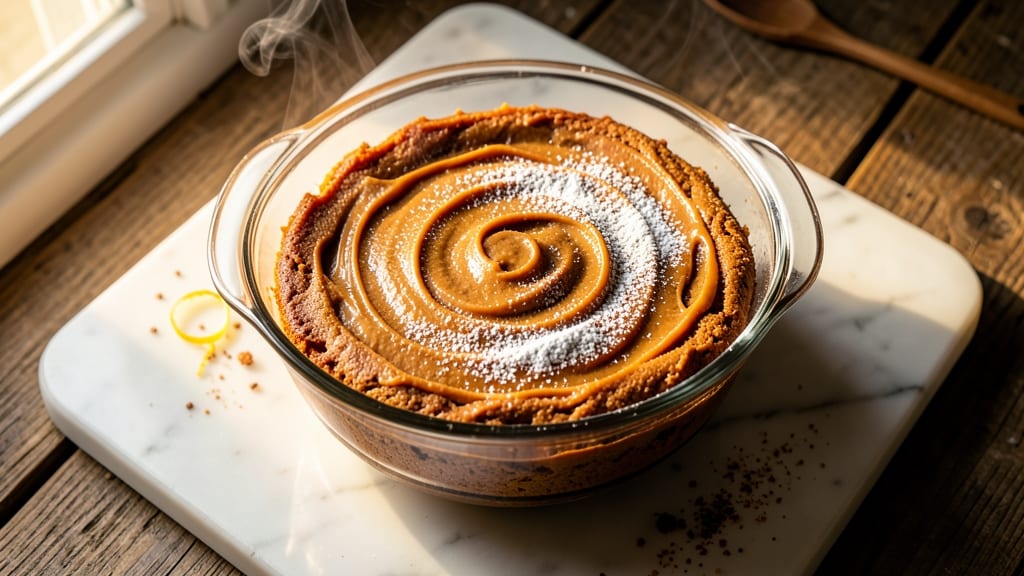
The sweet potato butter cake recipe from scratch transforms humble ingredients into a dessert that's richly moist, spice-kissed, and effortlessly impressive—no box mix required. This from-scratch recipe builds on classic cake science while letting sweet potato puree and brown butter deliver that signature depth of flavor.
The secret lies in proper hydration balance: sweet potato adds moisture without heaviness, while butter creates tender layers that stay soft for days.
What sets this cake apart is the warm spice harmony—cinnamon, nutmeg, and ginger work together to create a comforting aroma that fills your kitchen. The baking process is straightforward: mix, layer, and bake at a steady 350°F until a toothpick emerges clean.
That golden-brown crust gives way to a velvety interior with just the right amount of sweetness, never cloying. It's the kind of cake that tastes like autumn in every bite.
Perfect for holiday gatherings or cozy weeknight treats, this recipe delivers restaurant-quality results with simple ingredients you likely already have. The cake keeps well for up to 5 days, making it ideal for meal prep or gifting.
Whether you're serving slices warm with vanilla ice cream or packing it for a picnic, the combination of sweet potato's natural sweetness and brown butter's caramel notes creates a flavor profile that's impossible to resist.
For those with dietary considerations, substitutions are simple: use coconut oil instead of butter for a dairy-free version, or applesauce for eggs if needed. The recipe maintains its moisture and flavor regardless of adjustments. Let's get started on creating this tender, spiced masterpiece from scratch.
Ingredients for sweet potato butter cake recipe from scratch
Eight simple ingredients transform into a moist, spice-kissed cake that tastes like autumn in every bite.
| Ingredient | Amount | Notes |
|---|---|---|
| Sweet Potato Puree 🍠 | 1 cup | Canned or homemade, unsweetened |
| Unsalted Butter 🧈 | 1 cup | Browned for deeper flavor |
| Granulated Sugar 🍚 | 1 ½ cups | Light brown sugar for moisture |
| Large Eggs 🥚 | 2 whole | Room temperature for even mixing |
| All-Purpose Flour 🌾 | 2 cups | Sifted for light texture |
| Baking Powder 🧂 | 2 tsp | Diamond Crystal preferred |
| Ground Cinnamon 🌿 | 2 tsp | Freshly ground for warmth |
| Ground Nutmeg 🌿 | ½ tsp | Freshly grated preferred |
| Ground Ginger 🌿 | 1 tsp | Freshly ground for zing |
| Salt 🧂 | ½ tsp | Fine sea salt preferred |
| Vanilla Extract 🍯 | 1 tbsp | Pure Madagascar preferred |
| Whole Milk 🥛 | ½ cup | Room temperature for blending |
| Powdered Sugar 🍚 | ½ cup | For dusting finished cake |
The sweet potato puree is the secret weapon here—canned works perfectly, but homemade yields the deepest flavor. For the butter, browning it first adds caramel notes that elevate the entire cake. I always grab Land O’Lakes unsalted butter from the grocery store, but any quality brand will do. The spices are where this cake shines: fresh cinnamon and nutmeg make all the difference. Penzeys Spices or the bulk bins at Whole Foods are my go-to for maximum aroma. Don't skip the ginger—it's what gives that warm, comforting kick that sets this apart from vanilla cakes.
No sweet potato puree? Mashed roasted sweet potato works in a pinch, though it may be slightly thicker. Substituting butter? Coconut oil at the same amount keeps it dairy-free, but the texture will be slightly denser. For eggs, applesauce or flax eggs maintain moisture (use 1/4 cup applesauce per egg). The milk can be swapped for almond or oat milk, though whole milk yields the richest crumb. If you're short on vanilla, vanilla bean paste delivers even more depth. The powdered sugar is purely decorative—use whatever you have, but fresh is best for that signature dusting.
This cake stays moist for 5 days when stored in an airtight container at room temperature. For longer storage, wrap tightly and refrigerate for up to 1 week. The flavors actually deepen overnight, making it perfect for meal prep. I always bake a double batch—one for immediate serving, one to gift. The brown butter aroma lingers beautifully, so slice and serve at room temperature for the best experience. Leftovers reheat well in the microwave for 10 seconds to revive that fresh-baked warmth.
Why You'll Love This Recipe
- No Puree Hassle: I just blend a cooked sweet potato until silky—no straining, no lumps. That puree makes the cake moist without extra fuss, and honestly? It’s the secret to that tender crumb.
- Butter-Sweet Magic: The combo of sweet potato’s natural caramel notes and rich butter? It’s like dessert sneaking into your cake. One bite and you’ll forget it’s not a box mix—it’s your thing.
- Weeknight Workhorse: Bake it for breakfast, snack, or dessert—no one judges. I’ve sent slices to school lunches, packed them for road trips, and even used leftovers for French toast. It’s that adaptable.
- Pantry-Friendly Payoff: Sweet potatoes and butter stretch your budget, and eggs/flour are basics. I’ve made this twice with store-brand sugar and never noticed the difference. Good taste shouldn’t cost a fortune.
Step-by-step instructions for sweet potato butter cake
Mastering this cake comes down to precise technique and layered flavor development.
Prepare the Sweet Potato Butter Base
In a medium bowl, combine the 1 cup sweet potato puree and 1 cup unsalted butter (softened but not melted). Whisk together until fully incorporated and smooth—this creates the cake's signature moist foundation. I like to use a hand mixer on low speed for 2-3 minutes to ensure the butter emulsifies completely with the puree, preventing any separation later.
The sweet potato puree should be completely smooth with no lumps—strain it if necessary. This step is critical for achieving that signature tender crumb. The butter should be at room temperature but not greasy; if it's too cold, the mixture will curdle. Let the butter sit at room temperature for 30 minutes if needed before starting.
Incorporate Wet Ingredients and Sweeteners
Add the 1.5 cups granulated sugar, 2 whole large eggs, 1 tbsp vanilla extract, and 0.5 cup whole milk to the butter-puree mixture. Mix on medium speed for 3-4 minutes until the batter is light and fluffy, nearly doubling in volume. The eggs should be at room temperature for even incorporation—this prevents air pockets that could lead to dense cake.
Here's where the magic happens: the sugar should dissolve completely, and the mixture should become pale yellow with a ribbon-like consistency when the beaters are lifted. If the batter looks curdled, strain it through a fine-mesh sieve to remove any cooked egg bits. This step ensures the cake rises properly and develops that signature tender crumb.
Combine Dry Ingredients and Fold Gently
In a separate bowl, sift together the 2 cups all-purpose flour, 2 tsp baking powder, 2 tsp ground cinnamon, 0.5 tsp ground nutmeg, 1 tsp ground ginger, and 0.5 tsp salt. This ensures even distribution of leavening agents and spices throughout the batter. Whisk gently to avoid developing gluten, which would make the cake tough.
With the mixer on low speed, gradually add the dry ingredients to the wet mixture. Mix just until combined—you should still see small flour streaks. Overmixing develops gluten, which leads to a dense, chewy texture instead of the light, tender crumb we're after. Stop mixing as soon as the flour disappears. The batter should be thick but pourable.
Bake to Perfect Moisture and Texture
Preheat your oven to 350°F and grease two 8-inch round cake pans with butter or line them with parchment paper. Divide the batter evenly between the pans and smooth the tops. Bake for 25-30 minutes, or until a toothpick inserted in the center comes out clean. The edges should be golden brown, but the top should remain slightly soft to the touch—this indicates proper moisture retention.
Real talk: don't overbake. The cake continues cooking as it cools, and overbaking leads to dryness. When the toothpick test is clean but crumbs cling to it, that's your signal to remove the cakes from the oven. Let them cool in the pans for 10 minutes before transferring to a wire rack to cool completely.
Assemble and Dust with Powdered Sugar
Once completely cooled, place one cake layer on a serving plate and spread a thin layer of the 1 cup unsalted butter (softened) over the top. This butter layer creates the signature moist barrier between layers. Top with the second cake layer and gently press down to ensure even contact.
For the final touch, dust the entire cake with the 0.5 cup powdered sugar using a fine-mesh sieve. This creates that signature dusted appearance while adding a subtle sweetness. Serve at room temperature for the best texture—this cake develops its full moisture potential as it sits.
Pro Tips For Making Sweet Potato Butter Cake Recipe From Scratch
- Boil Sweet Potatoes Longer: I learned this the hard way—sweet potatoes straight from the oven are still starchy and watery. Simmer peeled chunks in salted water for 20-25 minutes until fork-tender, then drain thoroughly before blending. This removes excess moisture and gives you a velvety puree that won’t make your cake dense. (Yes, even if you’re impatient like me.)
- Whip Butter to Room Temp: Cold butter from the fridge? Big mistake. Let it sit out for 45-60 minutes until just soft enough to press a thumbprint into—this ensures it creams properly with sugar. I used to melt it, but that turns your cake greasy. Room temp butter incorporates air, making the crumb lighter. (Your mixer will thank you.)
- Sift Flour Twice: Sweet potato puree is heavy, and flour clumps like snow in a blizzard if you don’t handle it right. Sift it directly into the bowl (not on a counter), then sift again after adding dry ingredients. This prevents lumps that turn into dry pockets in your cake. (I skip this when I’m lazy, but the texture is noticeably better when I don’t.)
- Bake Until Internal Temp Hits 205°F: Toothpick tests lie with sweet potato cakes—they can come out clean but still be underbaked. Use an instant-read thermometer and pull it at 205°F (15°F higher than most recipes say). The cake will firm up as it cools, but this guarantees it’s moist, not gummy. (Your future self will thank you.)
Serving suggestions for leftovers
Classic Ice Cream Pairing
This cake practically begs for a scoop of vanilla bean ice cream—the cool creaminess contrasts perfectly with the warm spices. I always serve it with Häagen-Dazs Vanilla for its rich, creamy texture that melts just enough to enhance the cake's moisture.
For a lighter option, Ben & Jerry's Phish Food adds a tangy twist that cuts through the sweetness beautifully. 🍦
Whipped Cream Topping
Freshly whipped heavy cream sweetened with a touch of powdered sugar makes an elegant finishing touch. I like to fold in ½ tsp vanilla extract and a pinch of cinnamon for extra harmony.
For a festive look, pipe the whipped cream into rosettes on top of each slice before serving. Store-bought whipped cream works in a pinch, but homemade is always better.
Spiced Caramel Sauce
Drizzle warm spiced caramel sauce over each slice for an extra layer of flavor. Combine ½ cup caramel sauce (like Smucker's) with ½ tsp cinnamon and ¼ tsp ginger—heat gently until fragrant.
Let it cool slightly before drizzling to prevent melting the cake. This adds a gooey, buttery contrast that complements the sweet potato perfectly. 🍯
Warm Apple Compote
For a seasonal twist, serve warm apple compote alongside the cake. Simmer 2 cups diced apples with 2 tbsp brown sugar, 1 tsp cinnamon, and ½ cup apple juice until tender.
The tartness balances the cake's richness, especially during fall and winter. I often use Honeycrisp apples for their natural sweetness and texture.
Coffee or Spiced Tea
A warm cup of chai tea or dark roast coffee enhances the cake's spiced flavors. For chai, steep 1 chai tea bag in 1 cup hot milk for 5 minutes—the cardamom and cinnamon notes echo the cake's spices.
A small espresso martini (with vanilla syrup) adds a sophisticated touch for adult gatherings. 🍵
Garnish Like a Pro
Elevate your presentation with simple garnishes: a sprinkle of toasted pecans adds crunch, while candied orange peel brings a citrusy brightness. For a rustic touch, dust with extra powdered sugar using a fine-mesh sieve.
Fresh mint leaves or cinnamon sticks add a pop of color and aroma that make the cake feel special. 🌟
Nutrition facts
Frequently asked questions
Why does this cake need sweet potato puree instead of just mashed sweet potatoes?
The puree ensures a completely smooth texture without lumps, which is key for that signature tender crumb. Mashed roasted sweet potatoes can be slightly thicker and may introduce uneven moisture distribution. Canned puree works perfectly and saves time—just make sure it's unsweetened to control the sugar content.
Can I make this cake in a single 9-inch pan instead of two 8-inch pans?
Yes, but reduce the baking time by about 5-7 minutes—the cake will be thicker. Use an oven thermometer to confirm your oven runs at 350°F accurately, as temperature variations affect baking time. The single layer may have slightly denser edges, so check for doneness at 22-25 minutes instead of 25-30 minutes.
What's the best way to store leftovers to keep them moist?
Wrap the cake tightly in plastic wrap, then place it in an airtight container. Store at room temperature for up to 5 days—the flavors actually deepen overnight. For longer storage, refrigerate for up to 1 week. To revive stale slices, warm them in the microwave for 10-15 seconds or at 300°F for 5 minutes.
How do I know when the cake is fully baked?
Insert a toothpick into the center—it should come out clean but with a few moist crumbs clinging to it. The edges should be golden brown while the top remains slightly soft. Overbaking dries out the cake, so remove it when the toothpick test is nearly clean but not completely dry.
Can I substitute brown sugar for white sugar?
Yes! Use 1.5 cups packed brown sugar instead of granulated sugar for added moisture and caramel notes. The cake will have a deeper, more complex flavor. If using light brown sugar, the texture remains similar to the original recipe, while dark brown sugar adds more molasses richness.