
Side Dishes
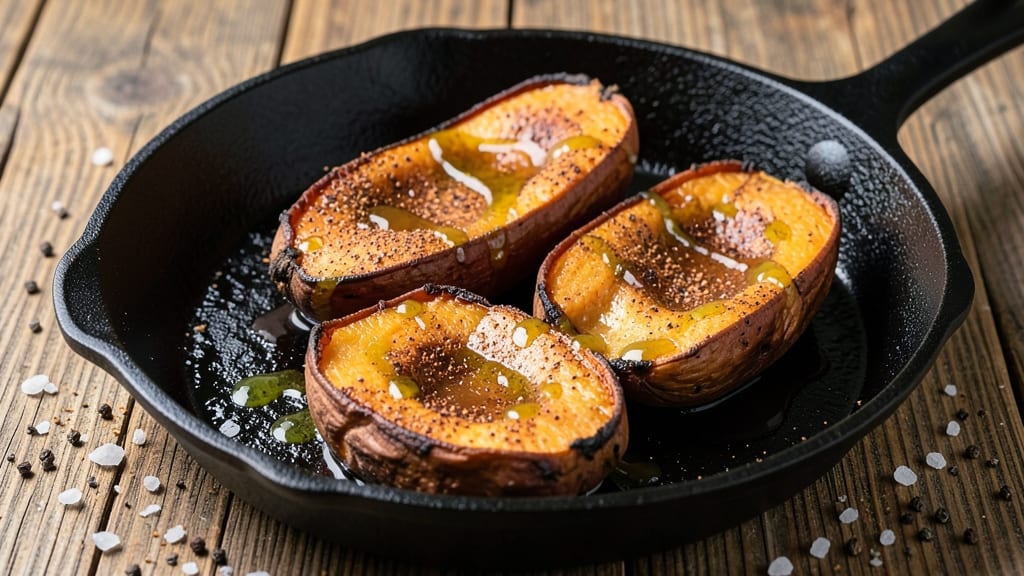
This sweet potato cast iron recipe transforms humble sweet potatoes into restaurant-worthy bites with caramelized edges and fluffy hearts—no fancy equipment needed. 🔥 The secret lies in high-heat roasting that creates crispy, golden-brown exteriors while keeping the insides tender.
I developed this technique after years of experimenting with cast iron, and it never fails to impress. What makes this recipe special is its versatility. You can roast, pan-fry, or even bake these sweet potatoes in your cast iron skillet, adapting the method to your schedule.
The key is cutting them into even-sized pieces and using enough oil to promote even browning. This method also works beautifully for meal prep—just reheat and enjoy.
By the time they emerge from the oven, your sweet potatoes will be deeply caramelized on the outside with a creamy, fluffy interior that melts in your mouth. The cast iron adds a subtle smokiness that elevates the natural sweetness of the potatoes.
This side dish pairs perfectly with grilled meats, roasted vegetables, or even as a standalone snack. Whether you're cooking for a crowd or meal prepping for the week, this recipe delivers foolproof results every time. The best part?
You only need a few simple ingredients and one essential tool—your cast iron skillet. Let’s get started!
Ingredients for sweet potato cast iron
Just nine ingredients transform simple sweet potatoes into crispy, caramelized masterpieces in your cast iron skillet.
| Ingredient | Amount | Notes |
|---|---|---|
| Sweet Potatoes 🍠 | 2 lbs | Medium-sized, peeled and cubed evenly |
| Avocado Oil 🫒 | ¼ cup | High smoke point for crispy edges |
| Kosher Salt 🧂 | 1 ½ tsp | Diamond Crystal preferred for even distribution |
| Ground Black Pepper 🌶️ | ½ tsp | Freshly cracked for bold flavor |
| Smoked Paprika 🌶️ | ½ tsp | For subtle smokiness |
| Garlic Powder 🧄 | ½ tsp | Enhances natural sweetness |
| Brown Sugar 🍯 | 1 tbsp | Lightly coats for caramelization |
| Fresh Rosemary 🌿 | ¼ cup | Chopped finely for aromatic depth |
| Fresh Thyme 🌿 | ¼ cup | Leaves only, for earthy notes |
| Honey 🍯 | 1 tbsp | Drizzled post-cooking for gloss |
| Cast Iron Skillet 🔥 | 1 whole | 10-12 inch for even cooking |
The sweet potatoes are the star—medium-sized and uniform ensures even cooking. Trader Joe's sells perfect organic sweet potatoes year-round, but any firm, vibrant orange ones work. Peeled and cut into 1-inch cubes, they'll caramelize beautifully. The cast iron skillet? Preheat it over medium-high for 5 minutes—this is non-negotiable for that perfect crust. I always season mine with a light coat of avocado oil right after cutting to prevent browning while prepping.
No avocado oil? Grapeseed oil or vegetable oil works in a pinch, but avoid olive oil—it burns too easily. Fresh rosemary and thyme are ideal, but dried at half the amount gets you close. For extra caramelization, swap the brown sugar for maple syrup or agave nectar. The honey at the end? Local raw honey adds a floral note, but any variety will work. Pro tip: Toss the cubes with oil and spices right before cooking—this keeps them from getting soggy while you heat the skillet.
These reheat like a dream—4-5 minutes at 350°F brings back that crispy edge. Store leftovers in an airtight container for up to 5 days, or freeze for 3 months. I portion mine into individual containers for grab-and-go breakfasts. The skillet itself? Clean while warm with a stiff brush and oil to prevent rust. Trust me, your cast iron will thank you.
Why You'll Love This Recipe
- One-Pan Magic: I swear by this when I’m too tired to scrub pots—just slice, season, and let the cast iron do the work. That smoky paprika clings to the edges while the sweet potatoes caramelize right in the pan, and honestly? No extra dishes.
- Crispy-Creamy Balance: The outside gets this perfect golden crust from the avocado oil, while the inside stays tender enough to cut with a fork. Add a sprinkle of salt and pepper, and suddenly, your dinner tastes like it took hours (but didn’t).
- Meal Prep Hero: Between us, this is my go-to for lunches all week. Roast a big batch, slice them up, and they reheat beautifully—whether you’re tossing them into a salad or eating them straight with a drizzle of olive oil. (Yes, even on a Tuesday night.)
- Budget-Friendly Staple: Sweet potatoes are cheap, and this recipe stretches them far. The smoky depth from the paprika makes them feel fancy, but the cost? A fraction of what you’d pay for takeout. Plus, leftovers taste just as good the next day.
Step-by-step instructions for sweet potato cast iron recipe
Here's how to transform humble sweet potatoes into golden, caramelized masterpieces with fluffy interiors.
👨🍳 Step 1: Prep and Season the Sweet Potatoes
Start by peeling the 2 lbs sweet potatoes and cutting them into 1-inch cubes—uniform size ensures even cooking. I like to use a sharp chef's knife for this, cutting away from myself for safety. The cubes should be consistent so they all cook at the same rate.
In a large bowl, toss the sweet potato cubes with 0.25 cup avocado oil, 1.5 tsp kosher salt, 0.5 tsp ground black pepper, 0.5 tsp smoked paprika, and 0.5 tsp garlic powder. The oil will help create that gorgeous caramelized crust, while the spices infuse flavor deep into the flesh. I press the cubes gently with my hands to ensure they're evenly coated—this prevents dry spots later.
Next, sprinkle in 0.25 cup finely chopped fresh rosemary and 0.25 cup fresh thyme leaves (discard stems). The herbs should cling to the cubes, but don't worry if some fall away—every bite will still be packed with flavor. Give everything one final toss, then let the mixture sit at room temperature for 15 minutes. This resting period helps the seasoning adhere better and ensures even cooking.
🔥 Step 2: Build Layers in the Cast Iron Skillet
Preheat your 10-12 inch cast iron skillet over medium-high heat for 5 minutes. The cast iron retains heat beautifully, which is key for developing those crispy edges. While it heats, I like to lightly dust the bottom of the skillet with a pinch of salt—just enough to help the potatoes stick slightly during the initial sear.
Working in batches if needed, arrange the seasoned sweet potato cubes in the skillet in a single even layer. Don't overcrowd—you want them to touch lightly so they brown properly. I press down gently on the cubes during the first minute to ensure even contact with the hot pan. This prevents them from curling and ensures the bottoms crisp up instead of steaming.
Sprinkle 1 tbsp brown sugar evenly over the top layer of potatoes. The sugar will caramelize during cooking, adding a subtle sweetness that balances the earthy flavors. Let the potatoes cook undisturbed for 8-10 minutes, until the edges develop a deep golden brown color and the bottoms release easily from the pan. Here's the thing—if you see steam instead of browning, your heat is too high. Reduce to medium and give it another 3-4 minutes.
🥘 Step 3: Layer and Bake to Fluffy Perfection
After the initial sear, carefully flip the potatoes using a sturdy spatula. I like to work in small batches if needed—cast iron is heavy, and you don't want to overcrowd the pan. Once flipped, add another layer of sweet potato cubes, again pressing down gently. The goal is to create a tight, even layer that cooks through without gaps.
Transfer the skillet to a preheated 400°F oven and bake for 25-30 minutes, until the potatoes are tender when pierced with a fork. The edges should be deeply caramelized with a crackly texture, while the centers remain soft and fluffy. I check for doneness by inserting a knife into the center of a potato—it should slide in easily with just a little resistance.
If the top layer isn't browning enough, broil for the last 2-3 minutes, keeping a close eye to prevent burning. The skillet's heat distribution is uneven in the broiler, so I rotate the pan halfway through. Once the potatoes are perfectly cooked, remove them from the oven and let them rest in the skillet for 5 minutes. This resting period allows the juices to redistribute, ensuring each bite is moist and flavorful.
🍯 Step 4: Finish with Honey and Serve
Drizzle 1 tbsp honey evenly over the top of the hot potatoes. The heat will cause the honey to bubble and caramelize slightly, creating a glossy finish that ties all the flavors together. Let it sit for 1-2 minutes—you'll see the honey soak into the edges and create a beautiful sheen.
Use two spatulas to carefully divide the potatoes among 4 plates, ensuring each serving has a mix of caramelized edges and fluffy centers. The contrast in textures is what makes this dish so special—crispy on the outside, tender on the inside, with layers of herbaceous and smoky flavors.
Serve immediately while the potatoes are still warm. The honey will be slightly warm, enhancing the natural sweetness of the sweet potatoes. For extra flair, garnish each plate with a sprinkle of freshly cracked black pepper and a few extra thyme leaves. This dish pairs beautifully with a simple green salad or crusty bread to soak up the juices.
Pro Tips For Making Sweet Potato Cast Iron
- CRANK THE HEAT FIRST: Cast iron stays cold forever if you’re gentle—start with your burner on high for the first 5 minutes, even if it seems aggressive. Sweet potatoes need that initial sear to build flavor and caramelize the edges, not just steam like sad, mushy potatoes.
- SLICE THEM THICK: Thin slices mean uneven cooking and a mess. Aim for ½-inch thick rounds—thick enough to hold shape but thin enough to cook through without drying out. I learned this the hard way when my first batch turned to paste after 20 minutes.
- SALT THE POTATOES BEFORE SEARING: Sprinkle kosher salt directly on the cut sides of the sweet potatoes before they hit the pan. This seasoning gets locked in during the initial sear, so you’re not just sprinkling it on top like an afterthought.
- COVER THEM MIDWAY: After the first 10 minutes of searing, tent the pan with foil to trap steam. This keeps the edges from burning while the centers finish cooking—no need to babysit the heat. (Yes, even if you’re impatient like me.)
Serving suggestions for this sweet potato cast iron
Protein Pairings
These caramelized sweet potatoes make an incredible side for grilled chicken breast—the smoky-sweet flavors complement the lean protein beautifully. I love serving them with herb-marinated chicken thighs where the rosemary and thyme in the potatoes echo the marinade.
For a heartier meal, pair with pan-seared pork chops or beef tenderloin—the cast iron's smokiness enhances the richness. 🍗
Vegetable Companions
A crisp arugula salad with lemon vinaigrette cuts through the richness perfectly. Toss 2 cups arugula with 2 tbsp olive oil, 1 tbsp lemon juice, and a pinch of salt.
For a warm option, roast asparagus or green beans with 1 tsp smoked paprika and ½ tsp garlic powder—both veggies roast in 10 minutes at 425°F. The earthy flavors balance the sweet potatoes' caramelized edges.
Grain Sides
Add warm farro or quinoa to round out the meal. Cook 1 cup farro in 2 cups broth for 25 minutes, then fluff with a fork. Stir in 1 tbsp chopped parsley and a squeeze of lemon.
For quinoa, cook 1 cup in 2 cups water, then mix with 1 tbsp toasted pine nuts and 1 tsp fresh thyme. Both grains soak up the sweet potatoes' juices beautifully. 🌾
Dessert Finisher
End the meal with spiced baked apples—core 2 apples, fill with 1 tbsp brown sugar and ½ tsp cinnamon, then bake at 375°F for 20 minutes. The warm apples contrast the savory-sweet potatoes.
For a lighter option, serve vanilla yogurt with a drizzle of honey and a sprinkle of toasted pecans. The honey ties back to the recipe's finishing touch.
Meal Prep Serving
Store leftovers in airtight containers for up to 5 days. Reheat in the oven at 350°F for 5-7 minutes to restore crispiness. Pack with whole-grain crackers or hummus for a portable lunch.
The cast iron’s smoky flavor holds up well, making these potatoes a great make-ahead side for busy weeks. 📅
Nutrition facts
Frequently asked questions
Can I use regular potatoes instead of sweet potatoes?
While you can substitute regular potatoes, the flavor and texture will be different. Sweet potatoes have a natural sweetness and creamier texture that works beautifully with the caramelized edges. Regular potatoes will be starchier and less flavorful. If you must use them, try Yukon Gold potatoes for a slightly sweeter alternative, but expect less caramelization.
My cast iron skillet isn't browning the potatoes properly—what am I doing wrong?
This usually happens when the heat isn't high enough or the potatoes are crowded. Make sure your skillet is preheated over medium-high heat for 5 minutes before adding the potatoes. Also, avoid overcrowding—they should touch lightly but not be packed. If browning still isn't happening, increase the heat slightly and reduce the amount of oil slightly (0.2 cup instead of 0.25 cup) to promote better caramelization.
How can I make this recipe ahead of time?
These sweet potatoes reheat beautifully! Cook them as directed, then store in an airtight container for up to 5 days in the fridge. To restore crispiness, reheat at 350°F for 5-7 minutes. For longer storage, freeze for up to 3 months. Thaw overnight in the fridge before reheating. The texture will be slightly softer after freezing, but still delicious.
Can I make this recipe without fresh herbs?
If you don't have fresh rosemary or thyme, use ½ tsp dried rosemary and ½ tsp dried thyme instead. For extra flavor, add a pinch of ground cinnamon or nutmeg (¼ tsp each) to complement the sweetness. The dish will still be flavorful, though the aroma won't be as pronounced as with fresh herbs.
What's the best way to clean my cast iron skillet after cooking?
Clean your cast iron while it's still warm to prevent rust. Use a stiff brush or scrub sponge with warm water and a small amount of mild soap (if needed). Avoid soaking it, as this can cause rust. After rinsing, dry thoroughly on the stove over low heat, then rub with a thin layer of oil to maintain the seasoning. Never put a wet cast iron skillet in the dishwasher—it's a common mistake that ruins the pan.