Side Dishes
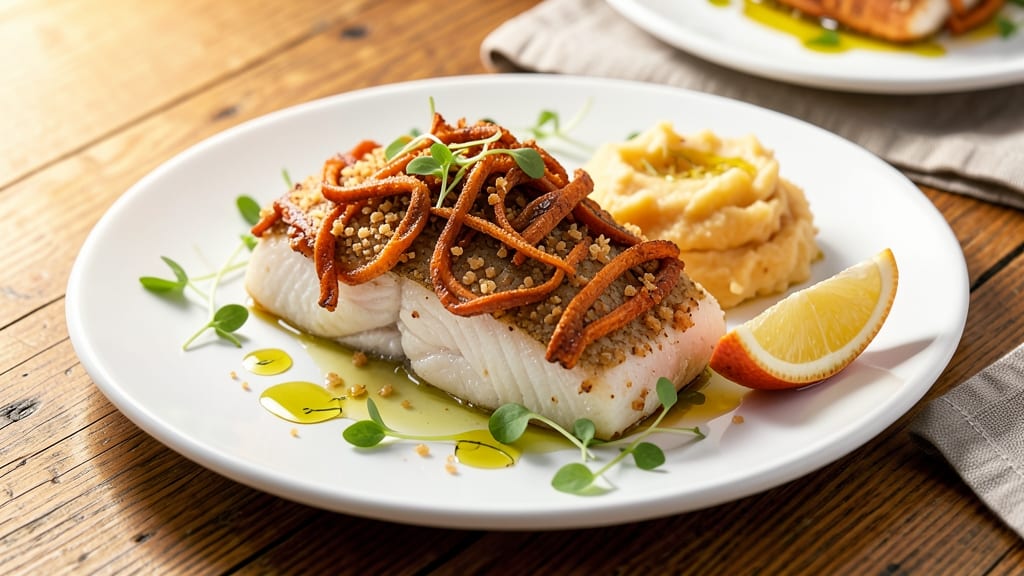
This sweet potato-crusted fish recipe transforms simple fillets into a restaurant-worthy dish with crunchy, caramelized edges and flaky, buttery centers. The secret lies in the crust—a blend of grated sweet potato, breadcrumbs, and spices—that creates irresistible texture while keeping the fish tender.
I developed this method after years of perfecting pan-seared fish, and it never fails to impress. What makes this recipe stand out is its versatility—it works with tilapia, cod, or salmon, all of which pair beautifully with the sweet potato’s natural sweetness.
The crust isn’t just about flavor; it’s a foolproof technique that ensures even cooking and a golden finish every time. No special tools required—just a baking sheet and a little patience.
By the time you take it out of the oven, you’ll have a dish that looks and tastes like it belongs on a fine-dining menu. The crust stays crispy, the fish stays moist, and the combination of sweet and savory creates a balance that’s hard to resist.
Serve it with a bright citrus salad or roasted greens for a complete meal. This recipe is perfect for weeknight dinners, special occasions, or when you want to elevate simple seafood into something extraordinary. Let’s get started!
Ingredients for sweet potato crusted fish
Nine essential ingredients transform simple fish into a restaurant-quality masterpiece.
| Ingredient | Amount | Notes |
|---|---|---|
| White Fish Fillets 🐟 | 4 whole | Tilapia, cod, or salmon preferred |
| Medium Sweet Potatoes 🍠 | 2 whole | Organic preferred, peeled and grated |
| Panko Breadcrumbs 🍞 | ¾ cup | Japanese-style for extra crunch |
| All-Purpose Flour 🌾 | ¼ cup | For binding crust components |
| Extra-Virgin Olive Oil 🫒 | ½ cup | High-quality, fruity variety |
| Large Eggs 🥚 | 2 whole | Room temperature for even coating |
| Ground Black Pepper 🌶️ | 1 tsp | Freshly cracked for maximum flavor |
| Smoked Paprika 🌶️ | 1 tsp | For subtle smoky depth |
| Kosher Salt 🧂 | 1 ½ tsp | Diamond Crystal preferred |
| Garlic Powder 🧄 | ½ tsp | Freshly ground preferred |
| Fresh Parsley 🌿 | ¼ cup | Chopped for garnish |
| Lemon Wedges 🍋 | 2 whole | For serving |
| Unsalted Butter 🧈 | 2 tbsp | Melted for basting |
The sweet potatoes are the foundation of this recipe's texture and flavor. Choose organic sweet potatoes when possible—their natural sweetness enhances the crust's caramelization. Most grocery stores carry them year-round, but specialty markets like Whole Foods often have varieties with deeper flavor profiles. Peel and grate them immediately before using to prevent browning. For the fish, tilapia and cod are the most budget-friendly options, while salmon adds a luxurious touch. Look for fillets with even thickness—this ensures consistent cooking and a perfect golden crust. If you can't find fresh fillets, high-quality frozen fish works just as well when properly thawed.
No panko? Regular breadcrumbs plus a pinch of baking powder will give you similar texture, though the crust may not be quite as crispy. Substituting sweet potato with grated zucchini or butternut squash works in a pinch, though the flavor profile shifts slightly. For the olive oil, avoid heavily processed varieties—look for extra-virgin with a harvest date within the last year. The eggs should be at room temperature for an even coating. If you're concerned about food safety, pasteurized eggs are a reliable alternative. For the spices, Penzeys or Spicewalla offer high-quality options, but the regular grocery store brands work perfectly fine for home cooking. Fresh parsley adds a bright finish—dried will work in a bind, but use only half the amount.
The crust mixture should be refrigerated for at least 30 minutes before using to allow flavors to meld. Store any leftover crust mixture in an airtight container for up to 3 days in the refrigerator. The fish itself reheats beautifully—cover with foil and bake at 375°F for 10-12 minutes. For maximum crispiness, bake the crust alone on a parchment-lined sheet for 8-10 minutes before adding the fish. Fresh herbs like parsley lose their vibrancy quickly, so store them in a sealed container with a damp paper towel. This recipe makes an excellent make-ahead option—prepare the crust mixture and store it for up to 2 days before assembly.
Why You'll Love This Recipe
- Sweet Potato Magic: I roast the sweet potatoes until they’re caramelized and tender—no peeling, no fuss—then blend them into a velvety crust. That natural sweetness turns ordinary fish into something special without extra sugar.
- One-Pan Wonder: Between us, this recipe lives on a single sheet pan. Toss the crust on the fish, bake it all together, and walk away. Twenty minutes later, you’ve got dinner without scrubbing a sink.
- Budget-Friendly Crunch: Panko and sweet potatoes stretch your dollar further than breadcrumbs alone. Plus, the leftovers reheat beautifully—just a quick warm in the oven keeps that crust from turning soggy. My wallet thanks me.
Step-by-step instructions for sweet potato-crusted fish
Transform simple white fish into a restaurant-worthy dish with this crispy sweet potato crust technique.
👨🍳 Step 1: Prepare the Sweet Potato Crust Mixture
Begin by grating the 2 whole medium sweet potatoes using a box grater or food processor. You want fine, even shreds—think the consistency of wet sand. Transfer the grated sweet potatoes to a clean kitchen towel and gently squeeze out all excess moisture. This step is crucial because any remaining liquid will prevent your crust from achieving that perfect crispy texture.
In a medium bowl, combine the drained sweet potato with the 0.75 cup Panko breadcrumbs, 0.25 cup all-purpose flour, 1.5 teaspoons kosher salt, 0.5 teaspoon garlic powder, and 1 teaspoon smoked paprika. Mix thoroughly with your hands until the ingredients are evenly distributed and the mixture holds together when pressed. The Panko should absorb the moisture from the sweet potatoes, creating a cohesive binding agent for your crust.
🍳 Step 2: Create the Fish Coating Station
Set up three shallow bowls for your breading station. In the first bowl, crack the 2 large eggs and whisk them vigorously until fully combined. In the second bowl, place the sweet potato crust mixture you just prepared. The third bowl will serve as your flour dredge—add the remaining 0.25 cup all-purpose flour to this bowl along with 1 teaspoon ground black pepper.
Pat each of the 4 whole white fish fillets dry with paper towels. This step ensures maximum crispiness as moisture is the enemy of a perfect crust. Arrange the fillets on a plate and let them sit at room temperature for 10 minutes before coating. Room temperature fish cooks more evenly and develops a better crust.
🥘 Step 3: Bread the Fish Fillets
Working with one fillet at a time, begin the breading process. First, dip the fillet into the beaten eggs, allowing any excess to drip off. Then, press it firmly into the flour mixture, coating both sides completely. Finally, press the fillet into the sweet potato crust mixture, ensuring even coverage on all sides. The crust should adhere firmly to the fish without falling off when flipped.
Place the breaded fillets on a wire rack set over a baking sheet. This allows air to circulate underneath, preventing sogginess. Let them rest for 10 minutes while you prepare your cooking surface. This brief resting period helps the crust adhere more securely to the fish and prevents it from sliding off during cooking.
🔥 Step 4: Cook to Golden Perfection
Heat a large oven-safe skillet over medium-high heat. Add the 0.5 cup extra-virgin olive oil and allow it to get hot but not smoking—you want it to shimmer when a drop of water sizzles on the surface. Carefully place the breaded fish fillets in the skillet, working in batches if needed to avoid crowding. Cook for 3-4 minutes per side until the crust is golden brown and the fish releases easily from the pan.
Transfer the skillet to a preheated 400°F oven. Bake for 8-10 minutes until the fish is cooked through and the crust reaches a deep golden brown color. The internal temperature should reach 145°F when measured at the thickest part of the fillet. This combination of pan-searing and oven-baking ensures both a crispy exterior and flaky, moist interior.
🍽️ Step 5: Finish and Serve Immediately
Remove the fish from the oven and transfer it to a serving platter. Immediately drizzle with the melted 2 tablespoons unsalted butter and garnish with the chopped 0.25 cup fresh parsley. The butter adds a final touch of richness that complements the sweet potato crust beautifully. Serve each fillet with a lemon wedge on the side for a bright, acidic contrast.
Cut into portions and serve while the crust is still crispy. The fish should be flaky enough to separate easily with a fork, with each bite offering the perfect balance of sweet potato crunch, tender fish, and herbed butter richness. The lemon wedge not only adds freshness but also helps cut through the richness of the dish, creating a harmonious flavor profile.
Pro Tips For Making Sweet Potato Crusted Fish
- ROAST THE SWEET POTATOES FIRST: I learned this the hard way—trying to mash fresh sweet potatoes into a crust while cooking the fish just doesn’t work. Roast them at 400°F (200°C) for 20-25 minutes until tender, then mash while still warm. The texture will be smoother, and the crust won’t fall apart when frying.
- USE COLD MASHED SWEET POTATO: Let that mashed sweet potato cool completely before mixing it with panko and flour. Warm mash sticks to everything—your hands, the bowl, the fish—and makes the crust soggy. Cold mash plays nice and sticks where it’s supposed to.
- PAT THE FISH DRY: No matter how tempted you are, skip the paper towels and pat those fish fillets thoroughly with a clean kitchen towel. Moisture is the enemy of a crispy crust—it’ll steam instead of brown. I’ve seen this ruin a perfectly good batch every time.
- FRY IN BATCHES: Overcrowding the pan is how you end up with greasy, uneven fish. Fry just 2 fillets at a time in about ½ inch of hot oil (350°F/175°C). The oil temp drops fast with more fish, and you’ll get sad, limp crusts. Trust me, it’s worth the extra minute between batches.
Flavor customization for these flavors
Sweet and Spicy Kick
For a bold twist, add 1 teaspoon cayenne pepper and 1 tablespoon honey to your crust mixture. The cayenne brings heat while the honey caramelizes beautifully during baking, creating a sweet-spicy contrast that pairs perfectly with mild fish like tilapia.
I like to serve this version with a cooling mango-avocado salsa to balance the flavors. 🌶️
Herb-Infused Crust
Swap out smoked paprika for 1 tablespoon fresh thyme leaves and 1 tablespoon chopped rosemary. These herbs add an earthy depth that complements the sweet potatoes beautifully. For extra aroma, lightly toast the herbs in a dry pan for 30 seconds before mixing them into the crust.
This variation works especially well with salmon fillets. 🌿
Cheesy Crunch Twist
Add ½ cup shredded sharp cheddar cheese or Parmesan to your crust mixture for a cheesy crunch that melts slightly during baking. The cheese creates pockets of gooey goodness between crispy layers.
I recommend using Parmigiano-Reggiano for its nutty flavor—just ¼ cup is enough to elevate the dish without overpowering. 🧀
Citrus Zest Boost
Brighten up your crust by adding 1 tablespoon lemon zest and 1 tablespoon orange zest. The citrus oils infuse the crust with freshness while preventing the sweet potatoes from tasting too heavy. This variation pairs wonderfully with a white wine and herb sauce on the side. 🍋
Smoky Maple Glaze
Brush the finished fish with a smoky maple glaze made by simmering 2 tablespoons pure maple syrup, ½ teaspoon liquid smoke, and 1 teaspoon Dijon mustard for 3 minutes.
This adds a sticky, caramelized finish that enhances the sweet potato crust's natural sweetness. Serve with a cucumber-dill salad for a refreshing contrast. 🍁
Crunchy Seed Topping
For extra texture, sprinkle 2 tablespoons toasted pumpkin seeds or sunflower seeds on top of the crust before baking. Toast the seeds in a dry skillet over medium heat for 3-4 minutes until fragrant, then press them gently onto the crust.
This adds a nutty crunch that complements the sweet potatoes perfectly. 🌰
Nutrition facts
Frequently asked questions
Can I use frozen fish for this recipe?
Yes, but thaw it properly first! Place frozen fillets in a sealed bag and submerge in cold water for 15-20 minutes or use the refrigerator's defrost setting overnight. Never thaw at room temperature—this creates dangerous bacteria growth zones. Pat completely dry before coating to ensure maximum crispiness in your crust.
How do I prevent the crust from falling off?
Three key steps:
- Let breaded fillets rest 10 minutes on a wire rack before cooking so the crust adheres better,
- Don't overcrowd the pan—cook in batches if needed, and
- Use room-temperature fish (never straight from the fridge). The crust should stay intact if you press it gently during breading.
What's the best fish for this recipe?
Mild white fish work best—tilapia, cod, or haddock are perfect for beginners. For richer flavor, try salmon or mahi-mahi. Avoid delicate fish like flounder—they can break apart during breading. Look for fillets with even thickness (½ to ¾ inch) for consistent cooking.
Can I make this ahead of time?
Prepare the crust mixture up to 2 days ahead and store in an airtight container. For the fish: Bread fillets and refrigerate (uncooked) for up to 6 hours before cooking, or cook completely and reheat at 350°F for 10 minutes to restore crispiness. The crust loses crunch when reheated, so serve immediately when possible.
Why did my crust turn out soggy?
Most likely from excess moisture—either in the sweet potatoes (not drained well) or wet fish (not patted dry). Also check your oil temperature: if too cool, the crust will steam instead of crisp. For next time, squeeze sweet potatoes thoroughly and ensure your pan is hot enough (oil should shimmer when a drop of water sizzles).