
Side Dishes
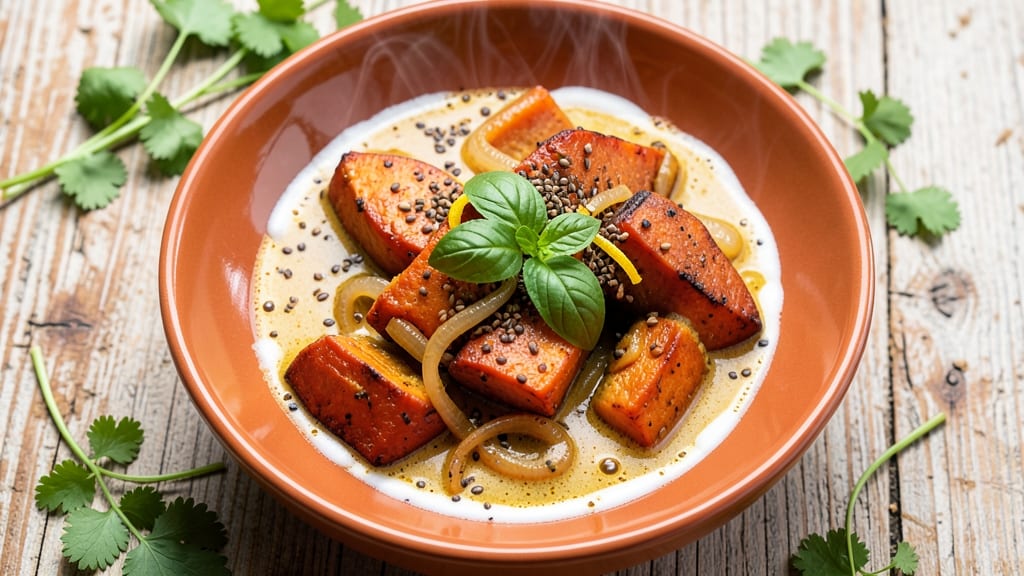
This sweet potato curry recipe with coconut milk delivers velvety spice and creamy depth in every spoonful—perfect for a hearty vegetarian meal. 🌟 The secret lies in slow-simmered sweet potatoes that melt into the rich coconut milk, creating a sauce that’s both comforting and complex.
This one-pot wonder transforms simple ingredients into a restaurant-worthy dish with minimal effort.
Start by sautéing aromatic spices like cumin and turmeric until fragrant, then let them bloom in the coconut milk for a fragrant base. The sweet potatoes soften into tender, caramelized pieces that soak up the flavors, while a touch of ginger and garlic adds brightness.
This curry balances sweet, spicy, and tangy notes—ideal for balancing with fluffy basmati rice or warm naan.
The result is a creamy, fragrant curry that’s rich yet light, with the natural sweetness of the potatoes shining through. The coconut milk creates a luxurious texture, while the spices build layers of warmth.
It’s the kind of dish that tastes even better the next day, making it perfect for meal prep or a cozy weeknight dinner.
Serve with a squeeze of lime and fresh cilantro to brighten the flavors further. This recipe is designed to be foolproof, with clear steps and timing to ensure success every time. Let’s make this comforting curry from scratch!
Ingredients for sweet potato curry recipe coconut milk
Velvety coconut milk and aromatic spices transform simple sweet potatoes into a restaurant-quality curry.
| Ingredient | Amount | Notes |
|---|---|---|
| Sweet Potatoes 🍠 | 2 lb | Medium, peeled and cubed |
| Full-Fat Coconut Milk 🥥 | 1 can | 13.5 oz can, unsweetened |
| Yellow Onion 🧅 | 1 whole | Medium, finely chopped |
| Garlic Cloves 🧄 | 4 cloves | Fresh, minced |
| Fresh Ginger 🌿 | 2 tbsp | Grated, finely |
| Ground Cumin 🌶️ | 1 tbsp | Toasted for depth |
| Turmeric Powder 🌿 | 1 tsp | Freshly ground preferred |
| Ground Coriander 🌿 | 1 tsp | Freshly ground preferred |
| Garam Masala 🌶️ | 1 tsp | Store-bought or homemade |
| Vegetable Oil 🫒 | 2 tbsp | High smoke point preferred |
| Fresh Cilantro 🌿 | ¼ cup | Chopped, for garnish |
| Lime 🍋 | 1 whole | Juiced, for brightness |
| Salt 🧂 | 1 tsp | Kosher or sea salt |
| Black Pepper 🌶️ | ½ tsp | Freshly ground |
The coconut milk is the heart of this curry—full-fat canned milk delivers the richest texture. Thai Kitchen or Native Forest brands are my go-tos for that perfect balance of creaminess and depth. Look for cans that list only coconut milk and water in the ingredients—no additives or preservatives. The sweet potatoes should be firm and vibrant orange; avoid any with soft spots. For extra flavor, I sometimes roast the cubes before adding them to the pot—425°F for 20 minutes concentrates their natural sweetness. The ginger and garlic are non-negotiable for that bright, aromatic base—freshly grated and minced always beats powdered versions.
No full-fat coconut milk? Light coconut milk plus 2 tbsp coconut cream mimics the texture. Substituting powdered coconut milk requires adding water to match the 13.5 oz volume. Fresh ginger too fibrous? Powdered ginger at half the amount works in a pinch, though it lacks the same complexity. Running low on garam masala? Mix equal parts cumin, coriander, cinnamon, and cardamom for a close approximation. The vegetable oil should have a high smoke point—avocado or refined coconut oil are excellent choices. For extra heat, add a pinch of cayenne or a chopped jalapeño with the onions. The lime juice should be freshly squeezed—bottled versions lack the bright acidity that cuts through the richness.
This curry tastes even better the next day as flavors meld. Store leftovers in an airtight container in the fridge for up to 5 days. For freezing, portion into meal-sized containers—it reheats beautifully with a splash of water or coconut milk. The spices lose potency after 6 months, so keep them in a cool, dark place. I always make double batches because this curry pairs perfectly with rice or naan, and the leftovers make quick lunches. Garnish with extra cilantro and lime zest right before serving to keep the flavors vibrant.
Why You'll Love This Recipe
- One-Pot Magic: I swear by this—no chopping boards piled with scraps, no extra pans. Just one pot, the sweet potatoes roasting soft while the coconut milk simmers into a velvety sauce. The onions caramelize right there, and by the time the garlic and ginger hit, the whole kitchen smells like a Thai street stall.
- Creamy-Spiced Bliss: That full-fat coconut milk? It’s the star—rich, thick, and just sweet enough to balance the earthy sweet potatoes. The ginger and garlic sizzle into the onions until they’re fragrant and sticky, then melt into the sauce like a warm hug. Honestly, the first bite makes me pause mid-spoonful.
- Meal Prep MVP: This curry tastes just as good the next day, which is huge for me. I make a big batch on Sundays, and it’s my go-to for lunches—reheats perfectly with a splash of water. Even better? It’s the kind of dish that gets better as flavors meld, so leftovers feel like a treat, not a chore.
- Budget-Friendly Luxury: Sweet potatoes and coconut milk stretch this into a hearty meal without breaking the bank. I buy them in bulk, and the spices (turmeric, cumin, coriander) cost pennies but make it feel fancy. It’s the kind of recipe that proves you don’t need expensive ingredients to feel like you’re eating at a restaurant.
Step-by-step instructions for sweet potato curry with coconut milk
This one-pot curry delivers velvety coconut richness and aromatic spice in under an hour.
🍳 Step 1: Sauté Aromatics Until Fragrant
Heat the 2 tablespoons vegetable oil in a large Dutch oven or heavy pot over medium heat. Add the 1 whole yellow onion, sliced into half-moons, and cook for 5-6 minutes until softened and translucent. The onions should smell sweet and caramelized at the edges—this builds flavor.
Add the 4 cloves garlic cloves and 2 tablespoons fresh ginger, both finely minced. Stir for 1-2 minutes until the garlic turns golden and the ginger loses its raw bite. Watch closely—garlic burns quickly. Immediately add the 1 tablespoon ground cumin, 1 teaspoon turmeric powder, 1 teaspoon ground coriander, and 1 teaspoon garam masala, stirring constantly for 30 seconds to toast the spices. This releases their essential oils, creating the curry's aromatic foundation.
🍳 Step 2: Cook Sweet Potatoes Until Tender
Add the 2 lb sweet potatoes, peeled and cut into 1-inch cubes. Stir to coat evenly in the spice mixture. Pour in 1 cup water and bring to a gentle simmer. Cover and cook for 12-15 minutes over medium-low heat, stirring occasionally, until the sweet potatoes are fork-tender but not mushy. You'll see them soften and release their natural sweetness into the pot.
Here's the thing—if the liquid evaporates before the potatoes are tender, add 2-3 tablespoons water to maintain a gentle simmer. The goal is to develop flavor without boiling the spices out. You want the potatoes to hold their shape but still be easy to pierce with a fork.
🥘 Step 3: Build the Creamy Coconut Base
Open the 1 can full-fat coconut milk and pour ¾ of it into the pot, reserving the remaining ¼ cup for finishing. Stir well to combine, then increase heat to medium-high and bring to a gentle boil. Reduce heat to low and simmer uncovered for 8-10 minutes, stirring occasionally, until the sauce thickens slightly and coats the back of a spoon.
This is where the magic happens—the coconut milk's natural fats emulsify with the spices, creating that signature velvety texture. You'll notice the sauce turn from thin to glossy, with a rich golden color. If it looks too thick, add 1-2 tablespoons water to reach your desired consistency.
🔪 Step 4: Finish with Fresh Herbs and Brightness
Remove the pot from heat and stir in the reserved ¼ cup coconut milk to lighten the sauce slightly. Add the 1 teaspoon salt and ½ teaspoon black pepper, adjusting to taste. Squeeze in the juice of the 1 whole lime—this balances the richness with bright acidity. Stir in the ¼ cup fresh cilantro, chopped, and let the curry sit for 5 minutes to allow the flavors to meld.
I like to taste at this stage to check the seasoning. The curry should be aromatic with layers of spice, sweetness from the potatoes, and creamy coconut undertones. If it needs more heat, add a pinch of cayenne or more garam masala. For extra richness, stir in 1 tablespoon butter at the end.
🍽️ Step 5: Serve with Complementary Sides
Ladle the curry into bowls and serve immediately with steamed basmati rice or naan bread to soak up the luscious sauce. Garnish with additional cilantro and a lime wedge. The curry tastes best fresh, when the coconut milk is still creamy and the spices are vibrant.
For extra depth, serve with a side of mango chutney or raita to cut through the richness. This curry keeps well in the refrigerator for 3-4 days, though the texture may thicken—simply reheat with a splash of water or coconut milk to restore creaminess. The flavors actually improve overnight as the spices infuse further.
Pro Tips For Making Sweet Potato Curry Recipe Coconut Milk
- Cut Potatoes Evenly: I learned this the hard way—uneven chunks mean some sweet potatoes turn to mush while others stay rock-hard. Dice them into 1-inch cubes so they all cook at the same pace, and resist the urge to go smaller just to speed things up.
- Sauté Onions Low and Slow: High heat burns onions before they soften, and that bitter taste ruins the whole dish. Keep the heat at a medium-low simmer until they’re translucent—about 8-10 minutes—so they caramelize just enough to deepen the curry’s flavor without scorching.
- Stir the Coconut Milk: After adding the coconut milk, give it a quick stir before turning up the heat. The fat separates when heated, and skipping this step means you’ll end up with a greasy mess instead of a creamy, velvety sauce.
- Use the Ginger Scrape: Peeling ginger is tedious, but grating the skin-on root makes a real difference—it adds subtle bitterness and depth that peeled ginger can’t match. Just run it over a microplane or fine grater, then squeeze out the excess moisture with your hands.
Serving suggestions for this sweet potato curry recipe coconut milk
Rice Pairings
Steamed jasmine rice or basmati rice is my go-to pairing—both grains have a delicate, floral aroma that complements the curry’s rich coconut and spice notes.
For extra fluffiness, rinse the rice 3-4 times before cooking to remove excess starch, then cook with 1 part rice to 1.5 parts water for perfect texture. 🌾
For a heartier option, try brown rice—its nutty flavor adds depth, though it takes 45-50 minutes to cook. I often make a big batch of rice and refrigerate it for the week; reheating with a splash of water keeps it moist and ready for quick meals.
Bread Sides
Warm naan bread is a must—its pillowy texture soaks up the creamy sauce beautifully. Look for store-bought naan at Indian grocery stores like Patel Brothers or Apna Bazaar, or make your own with 1 cup yogurt, 2 cups flour, and 1 tsp baking soda.
Toast it in a dry skillet for 30 seconds per side to crisp it slightly.
For a lighter option, serve with garlic flatbread or roti. Brush the flatbread with 1 tbsp melted butter and a pinch of garlic powder before serving. The buttery richness contrasts perfectly with the curry’s spicy-sweet balance.
Bright Contrasts
A dollop of mango chutney adds a tangy-sweet contrast that cuts through the coconut’s richness. I love Sai Brand or Patel Brothers chutneys—they’re made with ripe mangoes and just the right amount of vinegar.
For a homemade version, blend 1 cup mango purée, 2 tbsp vinegar, 1 tbsp sugar, and 1 tsp mustard seeds.
For a cooling element, serve with cucumber raita—mix 1 cup yogurt, ½ cup grated cucumber, 1 tbsp mint leaves, and a pinch of salt. The yogurt’s coolness balances the curry’s warmth, making every bite refreshing. ✨
Protein Add-Ins
While this curry is vegetarian, adding chickpeas or tofu boosts protein and texture. Toss 1 can chickpeas (drained and rinsed) with 1 tsp turmeric and 1 tsp cumin before adding to the pot in Step 2.
For tofu, press and cube 1 block firm tofu, then pan-fry until golden before mixing into the curry.
For a meaty option, stir in ½ lb shredded chicken or crumbled paneer in the final 5 minutes of cooking. The protein absorbs the coconut sauce beautifully, adding heartiness without overpowering the sweet potatoes. 🍗
Nutrition facts
Frequently asked questions
Can I use regular potatoes instead of sweet potatoes?
While you can use regular potatoes, the flavor and texture will differ significantly. Sweet potatoes add natural sweetness and a creamy, caramelized quality when cooked. If you must substitute, use Yukon Gold potatoes—they hold their shape better than russets and have a slightly sweet profile. The curry will be less rich and more starchy, though still delicious!
How do I adjust the spice level for kids or sensitive eaters?
For milder heat, reduce the garam masala to ½ teaspoon and omit cayenne entirely. Add an extra ½ teaspoon turmeric for color without heat. If using fresh chili, remove seeds before chopping. For extra creaminess (which balances spice), stir in 2 tablespoons yogurt at the end. Always taste before serving!
Why did my coconut curry turn out too thick?
This usually happens when the coconut milk reduces too much during simmering. To fix it, stir in 2-3 tablespoons water or reserved coconut milk while reheating. For prevention, keep the heat at low-medium and add the full coconut milk only after the potatoes are tender. The sauce should coat the back of a spoon but remain pourable.
Can I make this curry in an Instant Pot?
Sauté the onions, garlic, and spices as directed, then add sweet potatoes, water, and ¾ of the coconut milk. Seal the lid and cook on High Pressure for 5 minutes, then quick-release. Finish with the remaining coconut milk, lime, and cilantro. The pressure cooker reduces cooking time to 20 minutes total while keeping flavors intense.
What's the best way to store leftovers?
Let the curry cool completely, then transfer to an airtight container. It keeps in the fridge for 4-5 days or freezes for 3 months. To reheat, warm on the stove over low heat with a splash of water or coconut milk. Microwaving can make the sauce separate—avoid this method for creamy textures!