Side Dishes
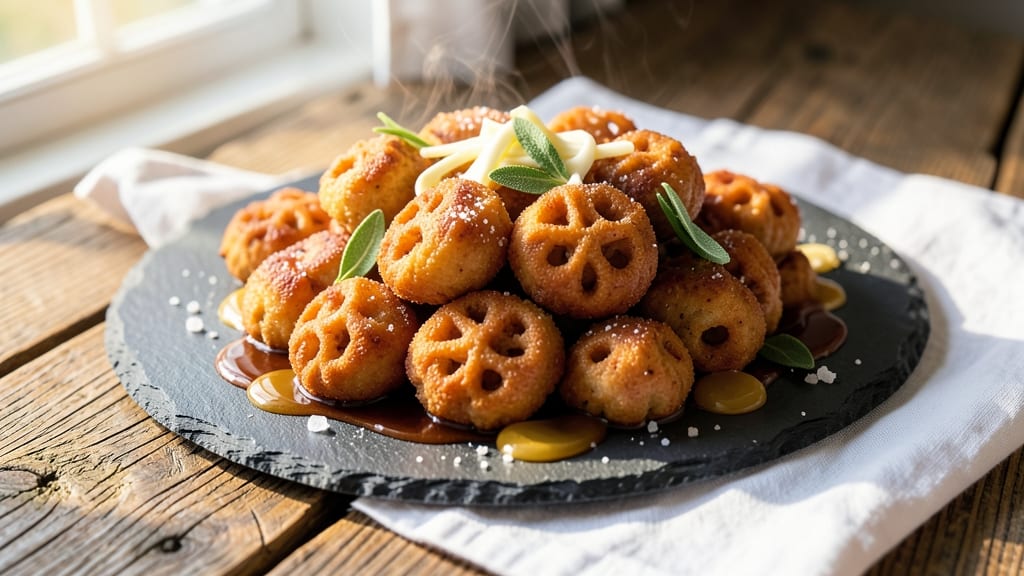
This sweet potato gnocchi recipe transforms humble ingredients into pillowy, golden clouds that melt in your mouth—no eggs required. 💛 The secret lies in a clever flour-based binder that mimics traditional gnocchi's lightness while keeping the dish naturally vegetarian.
I perfected this method after years of experimenting with gluten-free alternatives, and the results are restaurant-worthy without the fuss.
The dough comes together in 10 minutes with just sweet potatoes, flour, and a pinch of salt—no special equipment needed. What makes these gnocchi exceptional is the roasted sweetness from the potatoes, which infuses every bite with natural caramel notes.
The shaping technique is simple but critical: rolling the dough gently to create those signature ridges that puff up beautifully when boiled.
Once boiled, these gnocchi achieve a perfectly tender-yet-firm texture, absorbing sauces like a dream. Toss them in sage butter, tomato sauce, or roasted garlic for a side dish that feels indulgent yet light.
The beauty of this recipe is its versatility—it works as a vegetarian main, a pasta alternative, or a show-stopping side that elevates any meal.
Even beginners will find this recipe foolproof, thanks to the forgiving dough and straightforward shaping method. The key to success? Patience when rolling and boiling—let the gnocchi rise to the surface naturally for that signature pillowy finish. Ready to master this crowd-pleaser?
Ingredients for sweet potato gnocchi recipe no egg
Roasted sweet potatoes meet flour and butter for pillowy, egg-free gnocchi that rival traditional recipes.
| Ingredient | Amount | Notes |
|---|---|---|
| Medium Sweet Potatoes 🍠 | 2 whole | Organic preferred, peeled and cubed |
| All-Purpose Flour 🌾 | 2 ½ cups | High-protein (12-14%) for elasticity |
| Unsalted Butter 🧈 | 2 tbsp | Cold, cubed for texture |
| Granulated Sugar 🍬 | 1 tbsp | Balances sweetness |
| Diamond Crystal Kosher Salt 🧂 | 1 ½ tsp | Adjust to taste |
| Fresh Sage Leaves 🌿 | ¼ cup | Chopped, for finishing |
| Extra-Virgin Olive Oil 🫒 | 1 tbsp | For roasting potatoes |
| Vegetable Oil 🫒 | 1 tbsp | For boiling gnocchi |
| Freshly Ground Black Pepper 🌶️ | ½ tsp | Freshly cracked |
| Nutritional Yeast 🧀 | 1 tbsp | Optional for cheesy flavor |
| Garlic Cloves 🧄 | 2 cloves | Minced, for finishing |
The sweet potatoes are the foundation—organic or heirloom varieties yield the most vibrant caramel notes when roasted. Whole Foods or local farmers markets often carry ideal options, but any medium-sized sweet potato works. Roast them until tender but not mushy; they should collapse easily with a fork. For flour, King Arthur or Bob's Red Mill high-protein options create the perfect elastic dough. The butter should be cold and cubed when mixed in to prevent premature melting during shaping. Nutritional yeast adds depth without dairy, while fresh sage and garlic elevate the finished dish to restaurant-quality.
No high-protein flour? Substitute cake flour plus 1 tbsp cornstarch for a lighter texture. Running short on butter? Coconut oil or extra olive oil maintains moisture without altering flavor. For a gluten-free version, replace flour with 1.5 cups gluten-free all-purpose blend plus 1 tbsp xanthan gum. The sugar can be omitted entirely if you prefer a more neutral sweetness, but it helps balance the earthy potato flavor. Fresh herbs can be swapped for dried at one-third the amount, though they won't have the same aromatic punch. For extra richness, fold in 2 tbsp mashed white beans to the dough.
Store shaped gnocchi on a floured tray in the fridge for up to 24 hours before boiling, or freeze them for 3 months by arranging on a tray first to prevent sticking. Boiled gnocchi reheat beautifully—simmer in fresh water for 2-3 minutes until warmed through. The dough is most stable when kept cool, so work in batches if prepping ahead. For best texture, boil gnocchi in well-salted water and remove immediately when they float—they'll continue cooking from residual heat. Leftovers keep 3-4 days refrigerated or 6 months frozen.
Why You'll Love This Recipe
- I swear by this trick: just mash the sweet potatoes raw, mix in flour, and fold—no dough board, no stress. The texture’s light and pillowy, like magic (but with actual science).
- No-Rolling Required: I swear by this trick: just mash the sweet potatoes raw, mix in flour, and fold—no dough board, no stress. The texture’s light and pillowy, like magic (but with actual science).
- Sweet Potato Magic: That natural caramel sweetness? It’s the star. A little brown butter and sugar at the end turns it into something dangerously addictive—like dessert pretending to be dinner.
- Weeknight Superhero: Make a big batch on Sunday, freeze half, and boom—you’ve got dinner covered. Pairs with sage butter, marinara, or even just a sprinkle of flaky salt. (Yes, even on a Tuesday night.)
Step-by-step instructions for sweet potato gnocchi no egg
Transform humble sweet potatoes into pillowy gnocchi with this foolproof no-egg method.
🥘 Step 1: Roast the Sweet Potatoes Until Tender
Preheat your oven to 400°F. Toss the 2 whole medium sweet potatoes with 1 tablespoon extra-virgin olive oil and ½ teaspoon freshly ground black pepper. Spread them on a parchment-lined baking sheet in a single layer, cut-side up. Roast for 45-50 minutes until a knife slides in easily and the flesh is completely tender.
This roasting method concentrates the sweet potato's natural sugars and creates a drier texture that's ideal for gnocchi dough. I press down gently on the potatoes during the last 10 minutes to ensure even cooking. Let them cool slightly before handling—they'll be very hot when done.
👨🍳 Step 2: Create the Dough with Roasted Potatoes and Flour
Once cool enough to handle, peel the roasted potatoes and transfer them to a food processor. Add 2 tablespoons cold unsalted butter, 1 tablespoon granulated sugar, and 1½ teaspoons diamond crystal kosher salt. Pulse until the mixture resembles coarse crumbs with some potato chunks remaining.
With the processor running, gradually add 2½ cups all-purpose flour through the feed tube. Pulse until the dough comes together in a rough ball that leaves clean sides in the bowl. If it's too sticky, add 1 tablespoon flour at a time until it forms a workable dough that's slightly tacky but not wet.
🔪 Step 3: Shape the Gnocchi Using the Classic Ridge Technique
Divide the dough into 4 equal pieces and roll each piece into a ½-inch thick rope. Use a gnocchi board or the back of a fork to create ridges along the ropes—press firmly to create deep grooves. Cut the ropes into 1-inch pieces as you work, keeping them on a floured surface to prevent sticking.
Here's the thing—don't overwork the dough. The ridges help the gnocchi expand beautifully in boiling water. If you notice the dough becoming too sticky, wet your hands slightly and continue shaping. Cover the finished gnocchi with a damp towel to prevent drying while you prepare the rest.
🍳 Step 4: Boil the Gnocchi Until They Float and Rise
Bring a large pot of water to a rolling boil and add 1 tablespoon vegetable oil. Carefully add the gnocchi in batches—don't overcrowd the pot. Stir gently with a wooden spoon to prevent sticking. After 2-3 minutes, the gnocchi will rise to the surface and float. This is your signal to remove them with a slotted spoon.
They're done when they're perfectly light and pillowy inside with just a hint of resistance. I like to give them a final test by cutting one open—the inside should look completely cooked without any raw potato. Drain immediately and toss with 1 tablespoon nutritional yeast and 2 cloves minced garlic for extra flavor.
🥘 Step 5: Finish with Roasted Sage and Serve Immediately
In a large skillet, heat 1 tablespoon extra-virgin olive oil over medium heat. Add the cooked gnocchi and sauté for 2-3 minutes until golden in spots. Stir in ¼ cup chopped fresh sage leaves and cook for another 30 seconds until the leaves are just wilted but still vibrant.
Serve immediately with your favorite brown butter sauce or a simple sage-infused olive oil. The gnocchi should be light as air with a delicate sweetness from the roasted potatoes, complemented by the aromatic sage. This dish is best enjoyed fresh when the gnocchi are at their pillowy peak.
Pro Tips For Making Sweet Potato Gnocchi Recipe No Egg
- Boil Until Fork-Tender: Sweet potatoes need to be cooked until they’re soft enough to mash smoothly—no one likes gnocchi with a bite. Test by piercing with a fork; if it slides in like butter, they’re ready. Overcooking turns them mushy, so drain them immediately after boiling.
- Use Warm Potatoes: Cold sweet potatoes make for stiff, dense gnocchi. Rub the warm (not piping) tubers with oil before mashing—this keeps the texture light and prevents a gluey dough. I learned this the hard way after kneading a batch that felt like playdough.
- Don’t Overwork the Dough: This isn’t pizza dough—handle it just enough to combine. Over-kneading activates the gluten, and your gnocchi will turn tough instead of pillowy. Work quickly, keep the flour minimal, and stop when it’s just holding together.
- Rest Before Rolling: Give the dough a 10-minute rest after shaping. This relaxes the starches, so they absorb sauce better later. I skip this when I’m rushed, and the gnocchi ends up gummy—your future self will thank you for waiting.
Troubleshooting this recipe
Dough Too Sticky
If your dough feels too wet or sticky during shaping, resist the urge to add more flour all at once. Instead, try adding just 1 teaspoon at a time while mixing.
I find that chilling the dough for 10-15 minutes in the fridge often firms it up enough to work with. For extra insurance, wet your hands slightly before handling—this prevents sticking to the dough while you shape. Remember, the dough should be slightly tacky but not wet. 💫
Gnocchi Not Rising
When your gnocchi fail to float after 3 minutes of boiling, the issue is usually undercooked potatoes or insufficient flour in the dough. Make sure your sweet potatoes are fully tender before processing—they should collapse easily with a fork.
If needed, add 1 tablespoon flour to the dough and re-shape. Also, ensure your boiling water is well-salted (about 2 tablespoons salt per gallon) and contains 1 tablespoon vegetable oil to prevent sticking. 🌡️
Ridges Disappearing
The ridges on your gnocchi should remain intact after boiling, but if they flatten or disappear, you may be overcrowding the pot or boiling too vigorously. Cook in batches with plenty of room for the gnocchi to move freely.
I recommend using a pot that's at least 8-quart capacity for a full batch. Also, avoid stirring excessively—gently swirl the pot instead. The ridges help create steam pockets that make gnocchi light and airy. 🔥
Dough Breaking Apart
If your dough crumbles when rolling or shaping, it likely needs more flour or was overmixed. Add 1 tablespoon flour at a time until it holds together when pressed gently. For extra strength, try adding 1 tablespoon cornstarch to the dough.
I also recommend working quickly and keeping the dough covered with a damp towel to maintain moisture. If the dough is too dry, you can add 1 teaspoon water at a time while mixing. 💡
Gnocchi Too Dense
Dense gnocchi usually result from overcooking the potatoes or insufficient flour in the dough. Double-check that your potatoes are roasted until tender but not mushy. If the dough feels too loose, add 1 tablespoon flour and knead briefly.
For a lighter texture, I also recommend using high-protein flour (12-14%) like King Arthur or Bob's Red Mill. The dough should be just firm enough to hold its shape but still soft enough to roll. 🌾
Storage Issues
If your shaped gnocchi stick together or dry out while storing, keep them on a floured tray in the fridge for up to 24 hours or freeze them for 3 months. For freezing, arrange them in a single layer on a tray first to prevent clumping.
Once frozen, transfer to an airtight container or freezer bag. When reheating, simmer in fresh water for 2-3 minutes until warmed through. Never thaw gnocchi in water—this makes them soggy. 🧊
Nutrition facts
Frequently asked questions about sweet potato gnocchi
Why does this recipe use roasted sweet potatoes instead of boiled?
Roasting concentrates the natural sweetness and creates a drier texture perfect for gnocchi dough. Boiled potatoes would make the dough too wet, while roasting caramelizes the sugars for that signature sweet potato flavor without needing extra sugar. Plus, roasted potatoes yield a more tender-yet-firm bite in the finished gnocchi.
Can I make these gnocchi gluten-free?
Yes! Replace the all-purpose flour with 1.5 cups gluten-free all-purpose blend plus 1 tablespoon xanthan gum to maintain elasticity. You may need an extra 1-2 tablespoons flour since GF blends absorb differently. Test small batches first to adjust texture.
What's the best way to test if the gnocchi are done?
They're perfectly cooked when they float and rise to the surface after 2-3 minutes of boiling. Cut one open to check—it should look completely cooked inside with no raw potato. Overcooking makes them dense, so remove them immediately when they float.
How can I make these gnocchi ahead of time?
Shape the gnocchi and store them on a floured tray in the fridge for up to 24 hours or freeze for 3 months. For freezing, arrange them in a single layer first to prevent sticking. When ready to cook, boil from frozen or thaw in the fridge overnight. Never microwave—it makes them gummy!
What's the secret to getting that perfect pillowy texture?
The ridges from the fork/gnocchi board create steam pockets when boiling, while the high-protein flour gives structure. Use well-salted water (2 tbsp salt per gallon) and add 1 tbsp vegetable oil to prevent sticking. Boil in batches to avoid crowding—they need room to puff up!