Sauces & Condiments
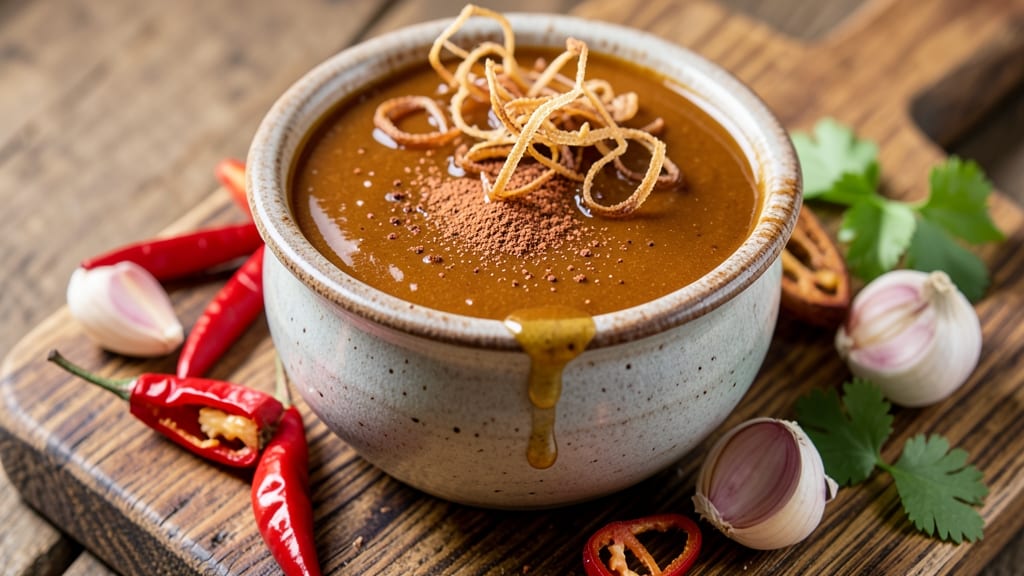
This sweet potato hot sauce recipe transforms humble sweet potatoes into a bold, smoky-sweet condiment with no added sugar—just natural caramelization and heat. 🔥 The secret lies in roasting the sweet potatoes until deeply caramelized, then blending them with vinegar, chili peppers, and aromatic spices to create a sauce that's perfect for dipping, drizzling, or marinating.
Unlike store-bought versions, this recipe balances sweetness, heat, and tanginess without artificial ingredients, making it a standout pantry staple.
The process is straightforward: roast sweet potato cubes until tender and caramelized, then simmer them with apple cider vinegar, cayenne pepper, and smoked paprika to develop depth. A quick blend transforms the mixture into a smooth, vibrant sauce with a rich, smoky-sweet profile that lingers on the tongue.
The result is a versatile condiment that elevates everything from grilled meats to roasted vegetables, or even as a bold addition to cocktails.
What sets this sauce apart is its natural sweetness—no refined sugar needed—paired with a slow-building heat from cayenne and chili peppers. The smoky notes from the roasted sweet potatoes and spices add complexity, while the tangy vinegar cuts through the richness.
This isn’t just a hot sauce; it’s a flavor booster that turns simple dishes into something extraordinary, all while keeping your ingredients clean and intentional.
Store it in the refrigerator for up to 2 weeks, or extend its shelf life with proper canning techniques. Whether you're dipping wings, glazing ribs, or adding a kick to your favorite tacos, this sauce delivers restaurant-quality heat with every drop. Ready to make it? Let’s get started.
Ingredients for sweet potato hot sauce
Ten ingredients, bold flavors—no refined sugar needed for this restaurant-quality hot sauce.
| Ingredient | Amount | Notes |
|---|---|---|
| Sweet Potatoes 🍠 | 2 lbs | Organic, skin-on preferred |
| Apple Cider Vinegar 🍏 | 1 cup | Raw, unfiltered preferred |
| Cayenne Pepper 🌶️ | 2 tbsp | Adjust for heat preference |
| Smoked Paprika 🌶️ | 1 tbsp | High-quality, not dusty |
| Fresh Red Chili Peppers 🌶️ | 2 whole | Jalapeño or serrano variety |
| Garlic Cloves 🧄 | 4 cloves | Fresh, peeled, rough chopped |
| Olive Oil 🫒 | 2 tbsp | Extra-virgin, fruity |
| Sea Salt 🧂 | 1 tsp | Diamond Crystal preferred |
| Ground Black Pepper 🌶️ | ½ tsp | Freshly ground preferred |
| Onion Powder 🧅 | ½ tsp | Not onion salt |
Sweet potatoes are the foundation here, so choose organic or heirloom varieties for deeper flavor and color. Whole Foods or local farmers' markets often carry the best quality—look for firm, vibrant tubers with smooth skins. The skin-on variety adds texture and nutrients, but peel if you prefer a smoother sauce. Roasting until deeply caramelized is critical; don't rush this step. For the vinegar, raw, unfiltered apple cider vinegar from brands like Bragg adds complexity that pasteurized versions lack. The cayenne and smoked paprika should be fresh—if your spices smell stale, toast them lightly before using to revive their aroma.
No cayenne? Red pepper flakes at double the amount works, though the heat profile will differ. Fresh chili peppers can be swapped for 1 tbsp chili powder, but you'll lose some brightness. The garlic can be roasted with the sweet potatoes for a sweeter, mellow flavor—simply toss the cloves with olive oil and roast alongside. For the olive oil, avoid light or refined oils—they lack the fruity notes that complement the smoky-sweet base. If you're sensitive to acidity, reduce the vinegar by 1 tbsp and add 1 tbsp water to balance the tang. The onion powder is optional but enhances depth—skip if you prefer a cleaner heat.
This sauce thickens as it cools, so store it in an airtight glass jar with a layer of olive oil on top to preserve freshness. Keeps for 2 weeks refrigerated or 6 months frozen. For canning, follow USDA guidelines for acidified foods—this sauce naturally meets the pH requirements. The flavor actually improves after 24 hours as the spices meld. Portion into small jars for gift-giving; it makes a stunning pantry staple that's always in demand.
Why You'll Love This Recipe
- No Blender Needed: I swear by this—just roast the sweet potatoes until caramelized, then smash them with a fork. No fancy equipment, no mess, and that smoky-sweet depth from the paprika? It’s all in there without extra work.
- Sweet Heat Magic: Honestly, the combo of roasted sweet potato and cayenne is ridiculously good—like a cross between BBQ and fire, but balanced. The vinegar brightens it up so it doesn’t overpower, and those fresh chilis add a bright, tangy kick that lingers.
- Pantry Staple Upgrade: This sauce turns boring meals into something special—drizzle it on eggs, mix into mayo for sandwiches, or toss it with fries. I keep a jar in the fridge for when I’m craving something bold but don’t want to cook. (Yes, even on a Tuesday night.)
- Lasts All Week: Between us, I make a big batch and it stays fresh for days. The vinegar acts like a preservative, and the sweet potatoes thicken just enough to keep it from separating. Plus, it’s cheap—you’re basically stretching a few ingredients into a flavor bomb that costs pennies per serving.
Step-by-step instructions for sweet potato hot sauce
Transform humble sweet potatoes into a complex, smoky-sweet hot sauce with balanced heat.
🔥 Step 1: Roast Sweet Potatoes and Chili Peppers
Preheat oven to 400°F and line a baking sheet with parchment paper. Cut the 2 lbs sweet potatoes into 1-inch cubes, leaving skins on for texture. Toss the sweet potatoes with 2 tbsp olive oil, 1 tsp sea salt, and 0.5 tsp onion powder until evenly coated.
Place the sweet potatoes on the baking sheet in a single layer. Cut the 2 whole fresh red chili peppers in half lengthwise (remove seeds if you prefer milder heat) and place them cut-side down on the baking sheet with the sweet potatoes. Roast for 30-35 minutes until the sweet potatoes are tender when pierced with a fork and the chili peppers are charred in spots. The kitchen should smell like caramelized sweetness with a smoky undertone—this is your first flavor checkpoint.
🍳 Step 2: Toast Spices and Garlic
While the sweet potatoes roast, heat a dry skillet over medium heat. Add the 4 cloves garlic cloves and toast for 1-2 minutes until fragrant and just beginning to turn golden. Remove from pan and set aside.
In the same skillet, add the 2 tbsp cayenne pepper and 1 tbsp smoked paprika. Toast for 30 seconds until the spices release their aroma—you'll see them sizzle and smell their deep, smoky character. Immediately transfer to a bowl to cool slightly. This step develops the spices' full flavor potential, which is crucial for balancing the sweetness and heat in the final sauce.
🥘 Step 3: Blend the Roasted Components
Transfer the roasted sweet potatoes and chili peppers to a blender along with the toasted garlic, spices, and 1 cup apple cider vinegar. The vinegar will help break down the roasted vegetables into a smooth purée. Add 0.5 tsp ground black pepper and pulse until the mixture is completely smooth, scraping down the sides as needed. The sauce should be thick but pourable at this stage—if it's too thick, add 2-3 tablespoons of water to reach the right consistency.
Taste the mixture at this point. You should detect layers of caramelized sweet potato, smoky paprika, and a gradual build of cayenne heat. If the heat feels overwhelming, add a pinch more sweet potato or a splash of vinegar to balance it. This is where you fine-tune the flavor profile before cooking it down further.
🔥 Step 4: Simmer and Reduce the Sauce
Transfer the blended sauce to a saucepan and bring to a gentle simmer over medium-low heat. Let it cook uncovered for 20-25 minutes, stirring occasionally, until it reduces by about 30%. You're looking for a sauce that coats the back of a spoon but still has good body—it should be thick enough to cling to food but still pour smoothly. The color will deepen to a rich amber with visible charred flecks from the roasted vegetables.
As it simmers, the flavors will meld together, creating that signature smoky-sweet heat. The sauce should smell complex—like roasted sweet potatoes, charred chili, and warm spices. If you notice it's getting too thick, add 1-2 tablespoons of water to maintain the right consistency. The final texture should be glossy with a slight sheen, indicating proper reduction.
⏰ Step 5: Strain and Bottle for Storage
Remove the sauce from heat and let it cool for 5 minutes. Then strain it through a fine-mesh sieve into a clean jar or bottle, pressing gently on the solids to extract all the flavor. The strained sauce should be smooth with no visible chunks—this ensures a clean texture while preserving all the developed flavors. Let it cool completely before sealing.
The finished sauce should have a deep amber color with a glossy sheen, balancing sweet, smoky, and spicy notes. It will keep in the refrigerator for up to 2 weeks or can be processed in a water bath for longer storage. Use it to elevate tacos, grilled meats, or even as a drizzle over roasted vegetables. The complex flavor profile makes it versatile enough for both everyday meals and special occasions.
Pro Tips For Making Sweet Potato Hot Sauce
- ROAST THE SWEET POTATOES FIRST: I learned this the hard way—boiling them first leaves you with a watery, mushy pulp that turns your sauce into a sad, thin glaze. Roast them whole at 400°F (200°C) for 45-60 minutes until fork-tender, then scoop out the flesh. The dry heat concentrates their natural sweetness and thickens the sauce later.
- PEEL AND GRATE CHILIS FRESH: Store-bought minced chilis lose their punch and freshness fast. Instead, blister whole fresh red chilis in a dry skillet for 2 minutes per side, then peel off the skins while they’re hot—it’s easier than you think. The smoky char adds depth the jarred stuff can’t match.
- SIMMER LOW AND LONG: Skipping the slow simmer (30-45 minutes on low heat) means your sauce will taste raw and uneven. Keep it at a gentle bubble, stirring occasionally, until the vinegar fully melds with the sweet potatoes. This is where the smoky-sweet balance actually develops—don’t rush it.
- STRAIN OUT SKINS AND SEEDS: After blending, strain the mixture through a fine-mesh sieve to remove sweet potato skins and chili seeds. I know it’s extra work, but those skins make the sauce gritty, and the seeds can overpower the heat. A clean texture lets the flavors shine—trust me, it’s worth the 2 minutes.
Dietary considerations for these flavors
Vegan-Friendly Base
This recipe is naturally vegan—no dairy, eggs, or animal products are used, making it perfect for plant-based diets. The sweet potatoes provide natural sweetness without refined sugar, while the apple cider vinegar and chili peppers deliver tangy heat.
The smoked paprika and garlic add depth without any animal-derived ingredients. 🌱
Gluten-Free Guaranteed
All ingredients in this recipe are inherently gluten-free, so it’s safe for those with celiac disease or gluten sensitivity. The sweet potatoes, vinegar, spices, and fresh peppers contain no gluten.
Always double-check labels on smoked paprika or onion powder if you’re highly sensitive, as some brands may process ingredients in shared facilities. For extra safety, use certified gluten-free spices from brands like Penzeys or Simply Organic.
Low-Sugar Option
Unlike many store-bought hot sauces loaded with added sugar, this recipe relies on the natural sweetness of roasted sweet potatoes—no refined sugar is needed. The cayenne pepper and vinegar balance the sweetness, creating a complex flavor without spiking blood sugar.
For those monitoring carbs, this sauce is a great alternative to sugary condiments, with only about 5-6 grams of natural carbs per 2-tablespoon serving.
Allergen-Friendly
This hot sauce avoids common allergens like dairy, eggs, nuts, and shellfish, making it safe for most dietary restrictions. The only potential allergen is garlic, which some people may be sensitive to. If avoiding garlic, substitute with 1 teaspoon garlic powder (check for gluten-free certification if needed).
The recipe also skips soy sauce or fish sauce, which are common in many Asian-inspired hot sauces and can trigger allergies. Always verify ingredient labels for cross-contamination warnings if allergies are severe.
Nut-Free and Soy-Free
For those with nut or soy allergies, this recipe is a safe choice—no nuts, seeds (like sesame), or soy products are included. The smoked paprika and spices used are typically free of these allergens, but cross-check labels if you’re highly sensitive.
The apple cider vinegar and olive oil are also nut-free, making this sauce a go-to for allergy-conscious kitchens. Store-bought hot sauces often contain hidden soy or nut-derived ingredients, so this homemade version gives you full control.
Nutrition facts
Frequently asked questions
Can I adjust the heat level in this sweet potato hot sauce?
For milder heat, reduce the cayenne pepper to 1 tbsp and remove seeds from the chili peppers. For extra spice, add 1 tbsp hot sauce or 1 extra chili pepper during blending. Toasting the spices longer also intensifies the heat—just be careful not to burn them.
How can I use this sauce beyond dipping?
This versatile sauce works as a marinade for grilled meats, a glaze for roasted vegetables, or a cocktail mixer in margaritas and Bloody Marys. Try drizzling it over tacos, mixing into hummus, or even using it as a base for Bloody Marys—the smoky-sweet balance elevates everything!
Why does my sauce look thin after blending?
The sauce will thicken as it cools and reduces during simmering. If it's too thin after blending, simmer uncovered for an extra 10-15 minutes to reduce it further. For immediate thickening, mix 1 tsp cornstarch with 1 tbsp water and stir it in during the last 5 minutes of simmering.
Can I make this sauce without roasting the sweet potatoes?
Roasting develops the deep caramelized sweetness that balances the heat. For a quicker version, boil peeled sweet potatoes until tender, then blend with all other ingredients. However, the flavor will be less complex—roasting is key for that signature smoky-sweet profile. If short on time, try air-frying the sweet potatoes for 15 minutes at 400°F as a compromise.
How do I store and preserve this hot sauce?
Store in a clean glass jar in the fridge for up to 2 weeks. For longer storage, process in a water bath canner for 10 minutes (pH-safe due to vinegar) or freeze in ice cube trays for single-serving portions. Always keep a layer of olive oil on top to preserve freshness. The flavor actually improves after 24 hours as spices meld!