Side Dishes
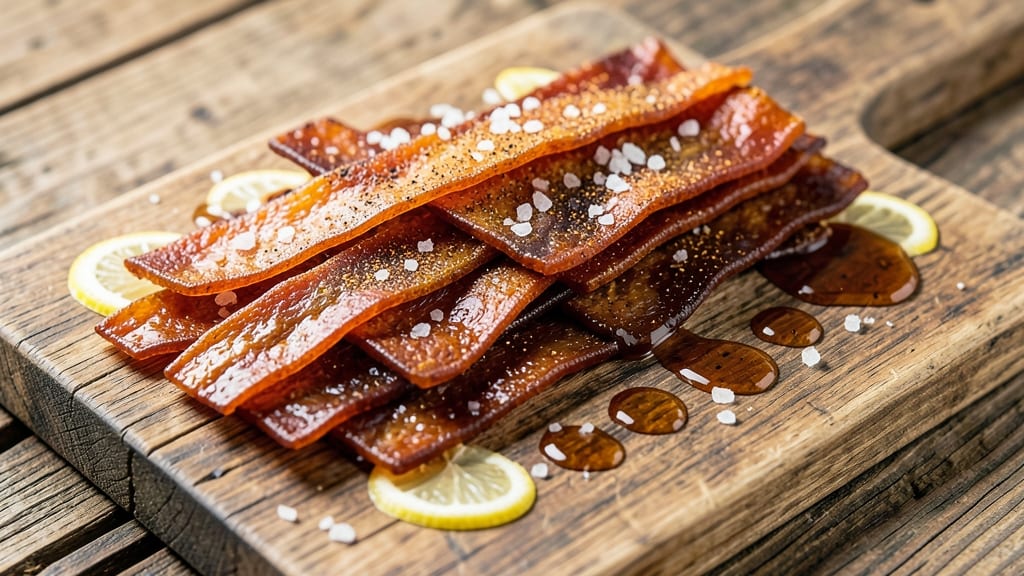
This sweet potato jerky for humans recipe transforms humble root vegetables into smoky-sweet, protein-packed snacks that rival traditional jerky—without the guilt. 🌟 The secret lies in precise dehydration techniques that create chewy, flavorful strips perfect for snacking or adding texture to salads and trail mixes.
Unlike store-bought versions, this method delivers vibrant color, natural sweetness, and a satisfying crunch that lasts.
The process begins with thinly sliced sweet potatoes, marinated in a blend of smoked paprika, liquid smoke, and citrus for depth. Dehydrating at 160°F for 6-8 hours ensures even drying while preserving texture.
This technique isn’t just about preservation—it’s about unlocking a versatile snack that pairs beautifully with savory dips or stands alone as a satisfying bite.
What sets this recipe apart is its foolproof method for achieving restaurant-quality results at home. No special equipment is needed beyond a dehydrator or oven, and the flavor profile balances smoky, sweet, and slightly tangy notes.
The strips store well in airtight containers or vacuum-sealed bags, making them ideal for meal prep or on-the-go energy.
Whether you’re looking for a plant-based protein boost, a unique snack for gatherings, or a creative salad topping, this jerky delivers. The key is patience—letting the sweet potatoes dry slowly ensures they’re tender yet sturdy enough to hold up to handling. Ready to transform your snack game?
Ingredients for sweet potato jerky for humans
Transform humble sweet potatoes into restaurant-quality jerky with these carefully selected ingredients.
| Ingredient | Amount | Notes |
|---|---|---|
| Orange Sweet Potatoes 🍠 | 2 lb | Firm, uniform size for even slicing |
| Lemon Juice 🍋 | ½ cup | Freshly squeezed for bright acidity |
| Smoked Paprika 🌶️ | ¼ cup | High-quality, not smoked paprika blend |
| Liquid Smoke 🔥 | 1 tbsp | Pure, no additives for authentic flavor |
| Maple Syrup 🍯 | ¼ cup | Grade B for robust flavor profile |
| Sea Salt 🧂 | 1 ½ tsp | Fine grain for even distribution |
| Garlic Powder 🧄 | 1 tsp | Freshly ground preferred |
| Black Pepper 🌶️ | ½ tsp | Freshly cracked for depth |
| Cayenne Pepper 🔥 | ¼ tsp | Adjust for heat preference |
| Extra-Virgin Olive Oil 🫒 | 1 tbsp | For marination and moisture retention |
| Apple Cider Vinegar 🍎 | 1 tbsp | For tangy depth and preservation |
The sweet potatoes are the foundation—choose vibrant orange varieties with dense flesh for optimal texture. Trader Joe's and Whole Foods carry excellent organic options, but any firm sweet potato will work. Avoid those with soft spots or sprouts, as they won't dehydrate properly. For even slicing, use a mandoline set to 1/8-inch thickness—this ensures consistent drying time and texture. The lemon juice serves a dual purpose here: it tenderizes the sweet potatoes while brightening the final flavor profile. Freshly squeezed is non-negotiable—bottled juice lacks the necessary acidity and freshness. If you're working with a large batch, consider investing in a citrus juicer to streamline the process.
No smoked paprika? Substitute with a blend of 2 tbsp regular paprika and 1 tsp liquid smoke, though the flavor won't be identical. The liquid smoke is crucial for that authentic jerky taste—avoid imitation or flavored versions, as they often contain artificial additives. For a sweeter profile, agave nectar can replace maple syrup, though maple's depth is preferred. The apple cider vinegar adds a subtle tang that balances the sweetness; if you're out, white vinegar or balsamic vinegar work in a pinch, though balsamic may add unwanted sweetness. For those avoiding cayenne, reduce the black pepper to 1 tsp and omit entirely—the heat comes primarily from the smoked paprika and liquid smoke combination.
Marinated sweet potato strips should be refrigerated for at least 2 hours before dehydrating to maximize flavor absorption. For best results, use a dehydrator set to 160°F, though an oven with the door slightly ajar works in a pinch. Arrange slices in a single layer on dehydrator trays or parchment-lined baking sheets, ensuring they don't overlap. The jerky will be ready when it's leathery yet still pliable—6-8 hours typically, but check after 5 hours for optimal texture. Store in airtight containers or vacuum-sealed bags for up to 2 weeks at room temperature or 3 months in the freezer. For extended freshness, portion into small bags with a silica gel packet to absorb moisture.
Why You'll Love This Recipe
- No-Slice Struggle: I swear by this recipe because you don’t even need a mandoline—just thick, uneven slabs that caramelize beautifully. The sweet potatoes hold shape like pros, so no sad, mushy edges here.
- Sweet Heat Magic: That smoky-sweet combo? Chef’s kiss. The liquid smoke and smoked paprika give it a campfire vibe, while the maple syrup keeps it from tasting like a sad, dry snack. The lemon juice cuts through the richness—trust me, it’s the perfect balance.
- Snack Attack Ready: Honestly, this is my go-to for parties, road trips, or when I’m craving something crunchy but don’t want chips. It’s sturdy enough to pack in lunchboxes (my kids’ favorite) and lasts for days—no sad, soggy leftovers here.
- Budget Crunch Hero: Sweet potatoes are cheap, and this recipe stretches them far. A single bag feeds my family for days, and the ingredients? Most are pantry staples. Plus, it’s way cheaper than buying pre-made snacks—without sacrificing flavor.
Step-by-step instructions for sweet potato jerky
Transform humble sweet potatoes into smoky, protein-rich jerky with this precise method.
🔪 Step 1: Prep and Slice the Sweet Potatoes
Peel the 2 lb orange sweet potatoes and slice them into ¼-inch thick strips using a mandoline or sharp knife. I aim for uniform thickness—this ensures even drying and cooking. Arrange the slices on a baking sheet lined with parchment paper and let them sit uncovered in the refrigerator for 30 minutes. This chilling step prevents the slices from sticking together during storage.
While they chill, I like to test the firmness by pressing a slice gently with my finger. If it springs back, they're ready. If they feel too soft, give them another 15 minutes. The goal is firm but not rock-hard potatoes—they need to hold their shape during the drying process but still soften slightly when cooked.
👨🍳 Step 2: Make the Smoky-Sweet Marinade
In a large mixing bowl, whisk together the 0.5 cup lemon juice, 0.25 cup maple syrup, 1 tbsp apple cider vinegar, 1 tbsp extra-virgin olive oil, 1 tbsp liquid smoke, 1.5 tsp sea salt, 1 tsp garlic powder, 0.5 tsp black pepper, and 0.25 tsp cayenne pepper. The marinade should be thick but pourable—like a robust glaze. I stir vigorously for 1 minute to fully emulsify the oil and create a cohesive mixture.
Here's the thing—don't skimp on the liquid smoke. That's what gives jerky its authentic smoky depth. If you're sensitive to heat, reduce the cayenne to 0.125 tsp for a milder kick. Taste the marinade before proceeding; you want a balance of sweet, tangy, and smoky flavors that'll complement the sweet potatoes beautifully.
🥘 Step 3: Marinate and Pre-Cook the Sweet Potatoes
Transfer the chilled sweet potato slices to a resealable plastic bag and pour the marinade over them. Seal the bag and massage the marinade into the potatoes, ensuring each slice is thoroughly coated. Let them marinate in the refrigerator for at least 4 hours, though I prefer 8 hours for maximum flavor penetration. The acidity from the lemon juice and vinegar will begin breaking down the potato fibers, creating that perfect jerky texture.
After marinating, preheat your oven to 250°F. Line two baking sheets with parchment paper and arrange the marinated sweet potatoes in a single layer, leaving ½-inch between each slice. This spacing is crucial—it prevents steaming and ensures even drying. Bake for 45 minutes, flipping the slices halfway through, until they're tender but still hold their shape when pressed gently with a fork.
🔥 Step 4: Dry and Develop the Jerky Texture
Increase the oven temperature to 175°F and continue baking for 3-4 hours, checking periodically. You're looking for slices that are completely dry to the touch with no visible moisture. The edges should curl slightly, and the interior should feel firm when pressed. If they're drying too quickly, tent the baking sheet loosely with foil to slow the process.
Here's where patience pays off: jerky needs time to develop that perfect chewy texture. I test doneness by picking up a slice between my fingers—it should feel firm and dry with no give. If it still feels slightly pliable, return it to the oven for another 30 minutes. The sweet potatoes should have a deep amber color and a rich, caramelized aroma that fills your kitchen.
⏰ Step 5: Cool and Store for Maximum Shelf Life
Remove the sweet potato jerky from the oven and let it cool completely on a wire rack. This cooling step is essential—it prevents condensation from forming in your storage container. Once cool, transfer the jerky to an airtight container lined with parchment paper. I like to separate the slices with additional parchment to prevent sticking.
The jerky will continue drying slightly as it cools, becoming even more firm and chewy. Store in the refrigerator for up to 2 weeks or in the freezer for 3 months. When ready to enjoy, let the jerky come to room temperature for 10 minutes before eating—this enhances the flavor and texture dramatically. Each piece should have a perfect balance of smoky, sweet, and slightly spicy flavors with that satisfying chewy bite.
Pro Tips For Making Sweet Potato Jerky For Humans
- SLICE THIN AND EVEN: Use a sharp mandoline or knife to cut slices 1/8-inch thick—any thicker and they’ll stay gummy inside. I learned this the hard way when my first batch came out like chewy rubber. A steady hand (or a mandoline guard) keeps fingers safe too.
- MARINATE OVERNIGHT (NO EXCUSES): Toss sweet potato slices with lemon juice, smoked paprika, and liquid smoke at least 12 hours—overnight works best. The acid tenderizes the starch, and the flavors sink in deep. Skipping this? You’ll taste raw potato vibes, and no one wants that.
- BAKE LOW AND SLOW: 250°F is your friend—not the 350°F your oven begs you to use. Too hot = burnt edges before the center dries. Spread slices on a wire rack over a baking sheet (yes, it’s awkward) for airflow. Flip halfway. Trust me, patience wins here.
- BRUSH WITH MAPLE LAST: Save the maple syrup for the final 10 minutes of baking. Brush it on when the edges are crisping—this caramelizes into a sticky glaze instead of burning. Drizzle sparingly; too much makes jerky sticky, not chewy. (I’ve done both.)
Serving suggestions for sweet potato jerky for humans
Snacking Solo
Sweet potato jerky is perfect for solo snacking—especially when you need something satisfying between meals. I keep a small batch in my desk drawer for those 3 PM energy slumps.
The combination of smoky, sweet, and slightly spicy flavors keeps me engaged, and the chewy texture makes it feel like a proper snack rather than a quick bite. Try pairing it with a small handful of almonds or a single-serving Greek yogurt for added protein. 🌟
Trail Mix Upgrade
Elevate your trail mix game by replacing dried fruit with sweet potato jerky strips. The smoky-sweet flavor contrasts beautifully with dark chocolate chips and toasted pecans.
I like to portion out ¼ cup jerky, ¼ cup pumpkin seeds, and 2 tbsp dark chocolate chunks for a balanced, energy-packed mix. This combo is perfect for hiking, road trips, or even as a post-workout recovery snack.
Salad Topper
Add texture and flavor to your salads by crumbling sweet potato jerky over greens. I love it on arugula salads with avocado and lemon vinaigrette—the smoky depth complements the creamy avocado perfectly.
For a heartier option, toss it with mixed greens, roasted sweet potatoes, and a balsamic glaze. The jerky adds a satisfying crunch and balances the sweetness of the other ingredients.
Taco and Nacho Boost
Give your taco or nacho bar a unique twist by adding sweet potato jerky as a topping. The smoky-sweet flavor pairs surprisingly well with black beans, corn, and cotija cheese.
I like to crumble it over soft tortillas with chipotle mayo or sprinkle it on baked tortilla chips before adding the rest of the toppings. It adds a fun, unexpected crunch that keeps everyone reaching for more.
Crackers and Cheese Pairing
Sweet potato jerky makes an excellent pairing for crackers and cheese boards. I love it with sharp cheddar, brie, or goat cheese on water crackers or gluten-free rice cakes. The smoky-sweet flavor cuts through the richness of the cheese, and the jerky adds a satisfying crunch.
For a festive touch, arrange the jerky in a circular pattern around the cheese platter for a visually appealing centerpiece. 🍴
Breakfast on the Go
Start your day with a protein-packed breakfast by adding sweet potato jerky to your morning routine. I like to include it in overnight oats or smoothie bowls for an extra boost of flavor and texture.
For a savory option, pair it with scrambled eggs and avocado toast. The jerky’s smoky notes add depth to the meal, making it feel like a gourmet breakfast rather than a quick grab-and-go option.
Nutrition facts
Frequently asked questions
Can I use regular potatoes instead of sweet potatoes?
Regular potatoes won't work well because they lack the natural sweetness and moisture balance needed for jerky. Sweet potatoes have a higher sugar content that caramelizes beautifully during dehydration, giving that authentic jerky flavor. Plus, their texture holds up better when dried. For a similar effect, try yams or purple sweet potatoes—they'll add even more visual interest!
How do I prevent my sweet potato jerky from sticking together?
Always arrange slices in a single layer with at least ½-inch space between them on dehydrator trays or baking sheets. Line your surfaces with parchment paper for easy removal. After drying, let the jerky cool completely on a wire rack before storing. This prevents condensation from forming in containers. For extra insurance, separate layers with parchment paper in your storage container.
What's the best temperature for dehydrating sweet potato jerky?
The ideal temperature is 160°F for consistent results. This low heat preserves the natural sweetness while creating that perfect chewy texture. If using an oven, set it to 175°F with the door slightly ajar for airflow. Higher temperatures can burn the edges before the centers dry properly. For best results, dehydrate for 6-8 hours until completely dry and leathery.
Can I make sweet potato jerky without a dehydrator?
Use your oven set to 175°F with the door cracked open for airflow. Line baking sheets with parchment paper and arrange slices in a single layer. Rotate trays halfway through for even drying. The process will take 8-12 hours instead of 6-8, but you'll achieve the same chewy texture. For extra efficiency, prop the oven door open with a wooden spoon.
Why did my sweet potato jerky turn out too soft?
Under-drying is usually the culprit. Check for these common mistakes: slices weren't thin enough (¼-inch is ideal), the oven temperature was too low, or humidity levels were high. For next time, increase drying time by 1-2 hours or try a fan to improve airflow. Also ensure your sweet potatoes were firm before slicing—soft spots won't dry properly. The jerky should be completely dry with no moisture when pressed between fingers.