
Side Dishes
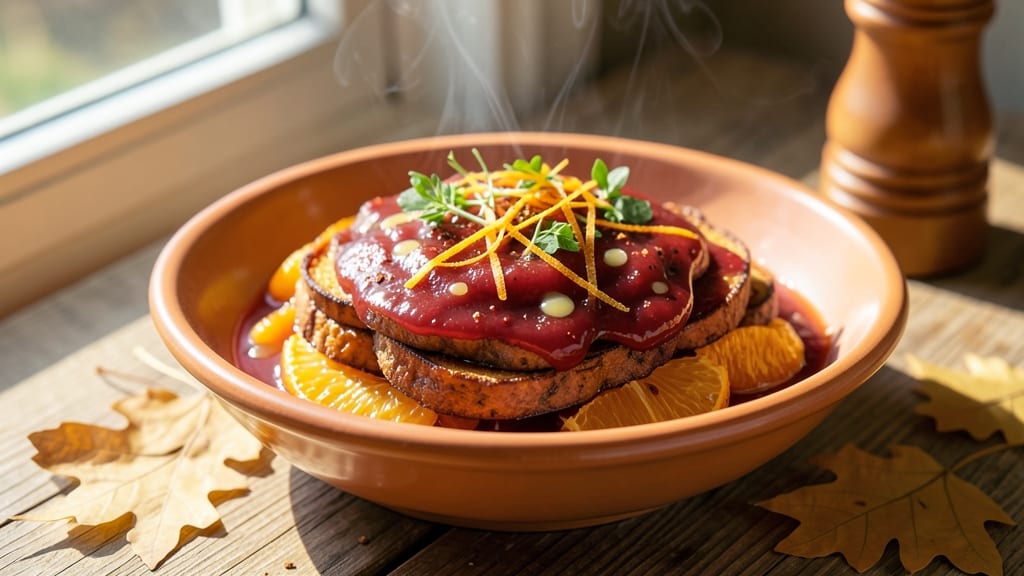
This sweet potato orange marmalade transforms humble ingredients into a vibrant, versatile glaze that elevates roasted vegetables, toast, and even desserts. The secret lies in slow-cooking sweet potatoes and orange peels until they meld into a thick, aromatic spread with natural pectin—no gelatin or artificial thickeners required.
I developed this recipe after years of experimenting with plant-based preserves that actually hold their shape and deliver bold, citrusy depth.
The process is straightforward but requires patience: sweet potatoes and orange peels simmer until tender, then blend into a smooth purée before reducing with sugar to create a glossy, spreadable consistency. Unlike traditional marmalade, this version keeps its natural vegan integrity while delivering restaurant-quality results.
The balance of sweetness and tartness makes it perfect for drizzling over roasted sweet potatoes, brushing onto grilled chicken, or spreading on toast for breakfast.
What you’ll end up with is a shelf-stable preserve that stays fresh for months in the pantry, thanks to the natural pectin in sweet potatoes. The texture is thick enough to coat roasted vegetables but still spreadable for toast or yogurt.
It’s the kind of condiment that turns simple meals into something special—with just a drizzle, you’re adding layers of flavor that store-bought versions can’t match.
Best of all, this marmalade adapts effortlessly to seasonal produce. Use it as a glaze for holiday roasts, a tangy topping for oatmeal, or even a sweet-savory dip for crackers.
The instructions will guide you through every step, ensuring you achieve the perfect balance of sweet, tart, and umami richness. Let’s get started!
Ingredients for sweet potato orange marmalade
Nine simple ingredients transform into a vibrant, restaurant-quality citrus glaze that rivals store-bought preserves.
| Ingredient | Amount | Notes |
|---|---|---|
| Sweet Potatoes 🍠 | 2 lbs | Organic preferred, skin-on for texture |
| Navel Oranges 🍊 | 4 whole | Organic, thick-skinned variety |
| Granulated Cane Sugar 🍚 | 1 ½ cups | Light brown preferred for depth |
| Fresh Lemon Juice 🍋 | ½ cup | From 2-3 lemons, freshly squeezed |
| Apple Cider Vinegar 🍶 | ¼ cup | For natural pectin activation |
| Ground Cinnamon 🌿 | 1 tsp | Ceylon preferred for subtle warmth |
| Ground Ginger 🌶️ | ½ tsp | Freshly grated for stronger flavor |
| Sea Salt 🧂 | ½ tsp | Diamond Crystal preferred |
| Extra-Virgin Olive Oil 🫒 | 1 tbsp | For glossy finish, fruity variety |
The sweet potatoes are the star—organic, skin-on varieties like Jewel or Beauregard work best, as their natural pectin gives this marmalade its signature thickness. Whole Foods or local farmers markets usually carry the best quality, but any sweet potato will do in a pinch. For the oranges, navel oranges with thick skins are ideal—they yield more peel for that signature marmalade texture. If you can't find organic, just peel thoroughly to remove any wax. The sugar matters too: light brown cane sugar adds subtle caramel notes that white sugar can't match. Pro tip: Toast your cinnamon and ginger for 30 seconds in a dry pan before adding—it deepens their flavors exponentially.
No organic oranges? Conventional is fine, just scrub the peel well under hot water. Short on sugar? Maple syrup works at a 1:1 ratio, though it'll be slightly thinner. The apple cider vinegar might seem odd, but it's essential for activating the sweet potatoes' natural pectin—substitute with white vinegar at half the amount if you're out. For the olive oil, any extra-virgin variety works, but avoid heavily perfumed ones that might clash with the citrus. Want more tartness? Add an extra tablespoon of lemon juice. The cinnamon and ginger can be swapped for cardamom at half the amount if you prefer a different spice profile.
This marmalade keeps beautifully—3-4 months in the fridge or up to 6 months in the pantry once canned. Store in sterilized jars with tight lids, and the natural pectin will keep it thick and spreadable. For canning, process in a water bath for 10 minutes for shelf stability. I always make double batches—one for immediate use and one to gift. The texture gets even better after a week as the flavors meld. Perfect for drizzling, dipping, or spreading—just let it come to room temperature before using for the best consistency.
Why You'll Love This Recipe
- No Peel, No Stress: I swear by this trick—just roast the sweet potatoes whole, then scoop out the flesh. The skin peels right off while you’re simmering the oranges, and suddenly, you’ve cut prep time in half. (Yes, even on a Tuesday night.)
- Sweet Heat Balance: That first bite of caramelized sweet potato meets the bright, tangy orange—it’s like autumn and sunshine had a baby. The vinegar’s sharp kick ties it all together, so you’re not just eating dessert, you’re experiencing it.
- Breakfast to Dessert: Slather it on toast for a savory-sweet morning, drizzle it over yogurt for a lunch upgrade, or serve it chilled with brie at your next dinner party. It’s the one jar that makes everything feel special—no extra effort required.
- Lasts for Months: Between us, I’ve had this marmalade sit in my pantry for six weeks and still taste fresh. The sugar preserves it beautifully, and the citrus keeps it from turning gloopy. Budget win: one batch feeds me for holidays, gifts, and lazy snack attacks.
Step-by-step instructions for sweet potato orange marmalade
Here's how to craft this vibrant glaze—where earthy sweet potatoes meet bright citrus for a perfect balance.
Roast the Sweet Potatoes Until Caramelized
Preheat your oven to 400°F and line a baking sheet with parchment paper. Peel the 2 lbs sweet potatoes and cut them into ½-inch thick slices, leaving the skin on for texture. Arrange the slices in a single layer on the prepared baking sheet, brushing each side lightly with 1 tablespoon extra-virgin olive oil—this helps develop a beautiful caramelized crust.
Roast for 25-30 minutes, flipping halfway through, until the edges are deep golden brown and the flesh is tender when pierced with a fork. The sweet potatoes should smell intensely sweet and caramelized—this is your cue they're ready. Remove from the oven and let them cool for 10 minutes before processing, as hot potatoes can make the marmalade watery.
Extract Citrus Juice and Prepare the Base
While the sweet potatoes cool, prepare the citrus components. Roll each of the 4 whole Navel oranges firmly on your countertop to soften them, then slice them in half and juice them using a citrus reamer or juicer. You should yield about 1 cup of bright orange juice—strain out any pulp for a silky texture. Squeeze the 0.5 cup fresh lemon juice from 2-3 lemons, and measure out the 0.25 cup apple cider vinegar.
In a large saucepan, combine the orange juice, lemon juice, and apple cider vinegar. Bring to a gentle simmer over medium heat and let it reduce by half—about 10-12 minutes. You're looking for a concentrated citrus syrup that coats the back of a spoon. This reduction intensifies the flavors and helps balance the sweetness of the sugar later.
Combine and Simmer the Marmalade
Once the sweet potatoes are cool enough to handle, transfer them to a food processor and pulse until you achieve a rough purée—think chunky texture, not completely smooth. Add the puréed sweet potatoes to the reduced citrus syrup in the saucepan. Stir in the 1.5 cups granulated cane sugar, 1 teaspoon ground cinnamon, 0.5 teaspoon ground ginger, and 0.5 teaspoon sea salt, whisking until the sugar dissolves completely.
Bring the mixture to a boil over medium-high heat, then reduce the heat to medium-low and let it simmer uncovered for 45-60 minutes. Stir occasionally to prevent sticking, and watch for the marmalade to thicken—it should coat the back of a spoon and hold its shape when drizzled. The aroma will be intoxicating: sweet, spiced, and citrusy with a deep caramel undertone.
Test for Doneness and Finish
To test for doneness, place a small amount of marmalade on a chilled plate and refrigerate for 2 minutes. If it wrinkles slightly when pushed with your finger, it's ready. If not, return it to the heat and simmer for another 5-10 minutes, stirring frequently. Once thickened, remove the pan from heat and let the marmalade rest for 10 minutes—this allows the flavors to meld and the texture to set properly.
For a glossy finish, drizzle in the remaining 1 tablespoon extra-virgin olive oil and stir gently. Transfer the marmalade to sterilized jars and seal while still warm. This glaze keeps in the refrigerator for up to 2 weeks or can be frozen for 3 months. Use it to elevate roasted meats, drizzle over toast, or swirl into yogurt for a sweet-savory twist.
Pro Tips For Making Sweet Potato Orange Marmalade
- PEEL ORANGES AFTER ZESTING: The zest is where all the citrus magic lives, so scrape it first—then peel the rest. I used to peel whole oranges first, and half the flavor ended up in the trash. A microplane works best; don’t use a dull knife and hack at it like I did in my first attempt.
- CUT SWEET POTATO SMALL: Dice them into ½-inch cubes, no bigger. I learned this after one batch turned mushy—uneven pieces cook at different rates, and you’ll end up with a gloppy mess. Small pieces also caramelize faster, giving that deep, jammy texture you want.
- STIR CONSTANTLY AT FIRST: The first 10 minutes are critical—sugar and citrus juice react fast. If you walk away, you’ll get scorched bits on the bottom. A wooden spoon works best; metal can scratch your pot and make cleanup a nightmare.
- USE VINEGAR LAST: Add the apple cider vinegar when the mixture is almost done, not at the start. It brightens the flavor without overpowering the sweetness, and it helps thicken the marmalade faster. Skip this, and you’ll end up with something that tastes like a science experiment.
Pro cooking tips for great sweet potato orange marmalade
Citrus Peel Texture
For that signature marmalade texture, use a mandoline slicer set to ⅛-inch thickness to slice the orange peels. Include the white pith (the thin membrane) for extra flavor and pectin, but avoid any bitter yellow parts.
I like to zest the oranges first, then slice the peels into ¼-inch strips—this creates both fine and chunky textures in your final marmalade. 🍊
Pectin Activation Trick
The apple cider vinegar isn’t just for tang—it activates the sweet potatoes’ natural pectin, which is crucial for achieving that perfect spreadable consistency. If you skip it, your marmalade might turn out too thin.
For extra insurance, add ½ teaspoon of powdered pectin (like Ball RealFruit) if you’re making a large batch or using low-pectin sweet potatoes.
Heat Control Matters
Never let your marmalade boil vigorously—medium-low heat is key during the 45-60 minute simmer. A rolling boil can cause sugar to caramelize too quickly, leading to burnt spots.
Stir frequently (every 5 minutes) to distribute heat evenly. I use a heat diffuser on my stovetop to maintain consistent temperature control. 🔥
Sugar Dissolution Test
Before adding sugar, test if it’s fully dissolved by swirling the pan—if you see undissolved grains, keep simmering. Undissolved sugar can create a grainy texture in your final marmalade.
If using maple syrup instead of sugar, reduce the simmering time by 10-15 minutes since it contains water and may require less thickening. Taste frequently to adjust sweetness.
Resting Phase
The 10-minute rest after cooking is non-negotiable—it allows the marmalade to thicken further as it cools. Skipping this step can result in a runny glaze. For a thicker consistency, chill the marmalade in the fridge for 1 hour before storing.
If it’s too thick after resting, reheat gently and stir in 1 teaspoon of water to adjust.
Storage Secrets
For long-term storage, process jars in a water bath canner for 10 minutes to sterilize them. Once cooled, store in a cool, dark pantry where it’ll keep for up to 6 months.
If refrigerating, use within 2 weeks. To prevent mold, ensure jars are completely sealed—tap the lid with your finger; if it doesn’t make a hollow sound, it’s not sealed properly. ✨
Nutrition facts
Frequently asked questions
Can I use regular potatoes instead of sweet potatoes?
No, sweet potatoes are essential for this recipe. Their natural pectin and caramelized sweetness create the signature thick, spreadable texture. Regular potatoes lack the pectin needed for proper thickening and will result in a much thinner, less flavorful glaze. The orange flavor won't compensate for the missing sweet potato depth.
How do I adjust the sweetness level?
Taste the marmalade before the final resting period—it should balance sweet, tart, and spice. If too sweet, add 1 tablespoon lemon juice per jar. If too tart, stir in ½ teaspoon extra cinnamon or 1 teaspoon maple syrup while warm. The sugar can be adjusted by ¼ cup increments during simmering if needed.
What if my marmalade turns out too thin?
If the texture is too runny after resting, return it to medium-low heat and simmer uncovered for 10-15 additional minutes, stirring constantly. For extra thickness, mix 1 teaspoon cornstarch with 1 tablespoon cold water, stir into the marmalade, and simmer for 2 more minutes. The natural pectin in sweet potatoes should handle most cases with proper simmering time.
Can I make this marmalade without vinegar?
Yes, but with reduced pectin. Replace the ¼ cup apple cider vinegar with ½ cup extra lemon juice and add ½ teaspoon powdered pectin (like Ball RealFruit) to ensure proper thickening. The vinegar activates the sweet potatoes' natural pectin, so skipping it may result in a thinner consistency that requires more simmering time to achieve the desired thickness.
What are the best ways to use this marmalade?
This versatile glaze works beautifully as a drizzle for roasted vegetables, brushing glaze for meats, spread for toast or pancakes, or swirled into yogurt. It also makes an excellent dipping sauce for crackers or topping for ice cream. The balance of sweet and tart makes it perfect for both savory and sweet applications—just let it come to room temperature before using for the best texture.