Side Dishes
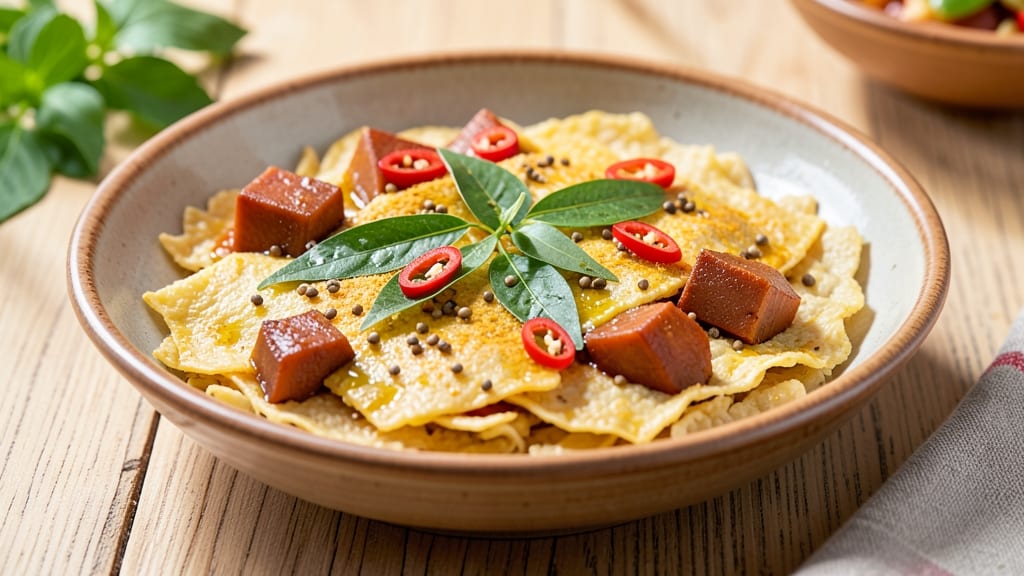
This sweet potato poha recipe transforms humble flattened rice into a vibrant, spiced dish with fluffy texture and aromatic tempering. The secret lies in perfectly cooked sweet potatoes—roasted until tender and mashed to a silky consistency—that blend seamlessly with the fragrant rice.
Traditional Indian flavors come alive with mustard seeds, curry leaves, and green chilies, creating a symphony of spices that elevates every bite.
The magic happens in the tempering, where toasted spices release their full potential, infusing the dish with warmth and depth. Unlike traditional poha, this version incorporates sweet potatoes for natural sweetness and creaminess, while keeping the dish light and digestible.
It’s a vegetarian powerhouse that’s equally satisfying as a side or a light meal, especially when paired with yogurt or a sprinkle of fresh cilantro.
What makes this recipe stand out is its balance—sweet potatoes add richness without heaviness, while the tempering keeps it bright and aromatic. The result is a dish that’s foolproof, restaurant-quality, and packed with flavor, yet simple enough for a weeknight dinner.
Whether you’re serving it at a gathering or enjoying it solo, the combination of textures and spices will leave everyone asking for seconds.
For extra indulgence, top with toasted peanuts or a squeeze of lemon for a tangy contrast. This poha is the perfect way to bring Indian flavors to your table with minimal effort and maximum impact. Let’s get cooking!
Ingredients for sweet potato poha
Transform humble flattened rice into a vibrant dish with these aromatic, carefully balanced ingredients.
| Ingredient | Amount | Notes |
|---|---|---|
| Flattened Rice (Poha) 🍚 | 2 cups | Unsoaked, store-bought or homemade |
| Sweet Potatoes 🍠 | 1 ½ lb | Medium-sized, peeled and cubed |
| Mustard Seeds 🌿 | 1 tbsp | Whole, for tempering |
| Curry Leaves 🌿 | ¼ cup | Fresh, packed |
| Green Chilies 🌶️ | 3 whole | Slit lengthwise, adjust to heat |
| Turmeric Powder 🌿 | ½ tsp | Freshly ground preferred |
| Cumin Seeds 🌿 | 1 tsp | Toasted for aroma |
| Asafoetida (Hing) 🌿 | ¼ tsp | Pinch for authentic flavor |
| Fresh Cilantro 🌿 | ¼ cup | Chopped, for garnish |
| Lemon Juice 🍋 | 2 tbsp | Freshly squeezed |
| Plain Yogurt 🥛 | ½ cup | Whisked, for serving |
| Ghee 🧈 | 2 tbsp | Clarified butter for tempering |
| Salt 🧂 | 1 tsp | Adjust to taste |
| Peanuts 🥜 | ¼ cup | Toasted, for garnish |
The sweet potatoes are the foundation—choose orange-fleshed varieties like Jewel or Garnet for natural sweetness. Whole Foods or Indian grocery stores carry the best quality, often pre-peeled for convenience. If using store-bought poha, opt for the unsoaked variety; soaking isn't necessary for this recipe. For the mustard seeds, Kirkland Signature or Patel Brothers brands are reliable for authentic flavor. Toast your cumin seeds in a dry pan for 30 seconds before adding to the tempering—this releases their full aroma and depth.
No curry leaves? Substitute 1/4 tsp curry powder, though fresh leaves are ideal for that unmistakable flavor. Green chilies too spicy? Remove seeds and membranes first. The asafoetida (hing) is non-negotiable for authentic taste—Patel Brothers or Spicewalla carry it in small quantities. For a quicker prep, use pre-toasted peanuts from the bulk section, but fresh roasting adds that nutty crunch. The yogurt should be plain and unsweetened—Fage or Siggi's work well, but any Greek-style yogurt will do.
Store prepped sweet potatoes in the fridge for 3 days—they soften further and blend more easily. The poha keeps best in an airtight container for 2 days, though it reheats beautifully with a splash of water. For meal prep, portion the yogurt and peanuts separately to maintain texture. Freeze the poha (without yogurt) for 3 months1 week, so make fresh when serving.
Why You'll Love This Recipe
- No-Soaking Needed: I’ll admit, I was skeptical at first—no soaking poha? But those pre-toasted rice flakes just need a quick rinse and a splash of hot water. The texture stays perfectly light, and honestly? It’s the kind of shortcut that makes me actually want to cook on a tired Tuesday.
- Sweet Heat Magic: Between the roasted sweet potatoes (caramelized edges, creamy inside) and the mustard seeds popping with curry leaves and green chilies, this dish is a flavor explosion. The contrast of crispy poha with soft, slightly sweet potatoes? That’s the kind of balance that makes you reach for seconds without even thinking.
- Lunchbox Hero: Pack this for work or school—I swear by it. The poha stays separate, so it doesn’t get soggy, and the sweet potatoes hold up perfectly. My kids used to complain about dry lunches, but now they fight over who gets the extra portion. (Yes, even my picky eater.)
- Budget Win: Sweet potatoes and poha are pantry staples that don’t break the bank, and this recipe stretches easily for two meals. I’ll be real: I often double the batch just to have leftovers for breakfast the next day—crispy, warm, and zero waste. Plus, the spices cost pennies but taste like a restaurant.
Step-by-step instructions for sweet potato poha
Here's how to transform flattened rice into a fragrant, spiced dish with vibrant sweet potatoes and aromatic tempering.
Cook the Sweet Potatoes Until Tender
Peel and cut the 1.5 lb sweet potatoes into ½-inch cubes for even cooking. Place them in a medium saucepan with 2 cups water and bring to a boil over medium-high heat. Once boiling, reduce to medium-low heat, cover, and simmer for 12-15 minutes until the cubes are fork-tender with just a slight resistance.
Drain the sweet potatoes thoroughly in a colander, pressing gently to remove excess moisture. This step is crucial—too much water will dilute the flavors later. Let them cool slightly before proceeding, as warm potatoes will steam the flattened rice instead of absorbing its flavors.
Prepare the Flattened Rice Base
In a large mixing bowl, combine the 2 cups flattened rice (poha) with the ½ tsp turmeric powder and 1 tsp salt. Gently fold in the cooked sweet potatoes using a spatula, ensuring even distribution. Add the 2 tbsp lemon juice and mix well—this brightens the dish and prevents the rice from becoming sticky.
Next, fold in the 0.5 cup plain yogurt until fully incorporated. The yogurt adds creaminess and helps bind the ingredients together. Let the mixture sit for 5 minutes to allow the flavors to meld. This resting period is often overlooked but makes a noticeable difference in texture and taste.
Create the Aromatic Tempering
Heat 2 tbsp ghee in a small skillet over medium heat until it shimmers. Add the 1 tsp cumin seeds and let them sizzle for 30 seconds until they release their aroma. Immediately add the 1 tbsp mustard seeds and 3 slit green chilies, stirring constantly for 1 minute until the mustard seeds pop and the chilies turn vibrant green.
Lower the heat to low and add the 0.25 cup curry leaves and 0.25 tsp asafoetida (hing). Stir gently for 30 seconds until the curry leaves wilt slightly and the hing dissolves into the ghee. This tempering is the soul of the dish—its aromatic oils will infuse the poha with complex flavors. Remove from heat and let cool for 2 minutes.
Combine and Garnish
Pour the tempering over the sweet potato and rice mixture, gently folding until evenly distributed. The heat from the tempering will help the flavors meld immediately. Transfer the poha to serving bowls and let it sit for 3 minutes to allow the spices to settle.
Garnish each serving with 0.25 cup chopped fresh cilantro and 0.25 cup toasted peanuts. The peanuts add a delightful crunch that contrasts beautifully with the soft texture of the poha. Serve immediately while still warm, as the flavors continue to develop right after assembly.
Pro Tips For Making Sweet Potato Poha
- SOAK POHA UNTIL SOFT: Flattened rice absorbs water like a sponge—soak it for 10 minutes max in warm water, then drain and spread it on a plate. Over-soaking turns it mushy, and under-soaking leaves it dry and chewy. I learned this the hard way after making a batch where the rice just wouldn’t separate properly.
- PEEL SWEET POTATO AFTER COOKING: Peeling raw sweet potatoes is a mess—wait until they’re cooked and cooled. The skin slips off easily, and you avoid cutting into the flesh. Plus, the slight texture from the skin adds character, even if you don’t use it. (Yes, even if you’re impatient like me.)
- TOAST MUSTARD SEEDS LOW AND SLOW: Crank the heat to medium-low when tempering mustard seeds—they’ll pop like fireworks if you rush it. High heat burns them before they release their aroma, leaving your poha tasting flat. I was skeptical until I tried it—now I never go back.
- CUT SWEET POTATO INTO EVEN STICKS: Uneven pieces cook at different rates—stick to ¼-inch thick slices for consistent doneness. Toss them in a pinch of salt before boiling to keep them firm. This isn’t the prettiest method, but it’s the tastiest, trust me.
Health benefits of this recipe
Fiber-Rich Powerhouse
Sweet potatoes are packed with soluble fiber, providing 7 grams per cup—about 28% of your daily needs. This fiber supports digestion, helps stabilize blood sugar levels, and keeps you feeling full longer.
The combination with poha (flattened rice) adds an extra 5 grams of fiber per serving, making this dish a digestive-friendly breakfast or lunch. 🥔
Complex Carbs for Energy
Unlike refined carbs, sweet potatoes offer slow-digesting complex carbohydrates that provide steady energy without blood sugar spikes. The orange hue comes from beta-carotene, which converts to vitamin A—critical for vision and immune function.
A 1.5 lb serving delivers 100% of your daily vitamin A, supporting skin health and cellular repair.
Protein Boost from Poha
While poha is naturally low in protein, adding ½ cup plain yogurt (about 12 grams) and ¼ cup toasted peanuts (about 7 grams) creates a balanced protein profile.
This makes the dish more satiating and ideal for vegetarian diets. The yogurt also adds probiotics for gut health, enhancing the overall nutritional benefits.
Antioxidant-Rich Spices
The tempering spices—cumin, turmeric, and curry leaves—are loaded with antioxidants. Turmeric contains curcumin, which fights inflammation, while cumin aids digestion. Asafoetida (hing) adds a unique umami depth while supporting respiratory health. These spices not only flavor the dish but also contribute to its anti-inflammatory properties.
Low-Calorie Comfort Food
Despite its rich flavors, this dish is surprisingly light and balanced. A serving contains about 350 calories, with 60% from complex carbs, 20% from healthy fats (ghee, peanuts), and 15% from protein.
The sweet potatoes add natural sweetness without refined sugar, making it a guilt-free indulgence for those watching calories.
Blood Sugar Balance
The glycemic index (GI) of sweet potatoes is moderate, but their fiber and protein content help slow glucose absorption. Pairing them with yogurt and peanuts further stabilizes blood sugar, making this dish a smart choice for diabetics or those managing insulin sensitivity.
The lemon juice also adds acidity, which may enhance nutrient absorption.
Nutrition facts
Frequently asked questions
Can I use regular potatoes instead of sweet potatoes?
Regular potatoes won't work as well—they lack the natural sweetness and vibrant color that sweet potatoes bring to the dish. Sweet potatoes also have a creamier texture when cooked, which blends perfectly with flattened rice. If you're set on using potatoes, try purple sweet potatoes for a unique flavor twist, but stick with orange-fleshed varieties for the best results.
How do I prevent the poha from getting mushy?
Overcooking or adding too much liquid is the main culprit. Always drain the sweet potatoes thoroughly and let them cool slightly before mixing with poha. Use a gentle hand when folding in yogurt and lemon juice—too much agitation can break down the rice. Also, avoid pre-soaking the poha unless specified in your recipe source.
What's the best way to store leftovers?
Store in an airtight container in the fridge for up to 3 days. Reheat gently in a microwave with a damp paper towel to restore moisture. For longer storage, freeze the poha (without yogurt) for up to 3 months. Thaw overnight in the fridge before reheating—never microwave frozen poha directly as it can make the rice gummy.
Can I make this gluten-free?
Yes! This recipe is naturally gluten-free as long as you use certified gluten-free flattened rice (poha). Check the packaging for certification. Most store-bought poha is gluten-free, but some brands may process in shared facilities. Also ensure your ghee and spices don't contain hidden gluten additives.
What if I don't have asafoetida (hing)?
Don't worry—it's optional! While hing adds depth, you can skip it without sacrificing flavor. For a substitute, try ½ tsp garlic powder or a pinch of onion powder to mimic some of its savory notes. The dish will still taste amazing, just with slightly different aromatic complexity.