
Desserts
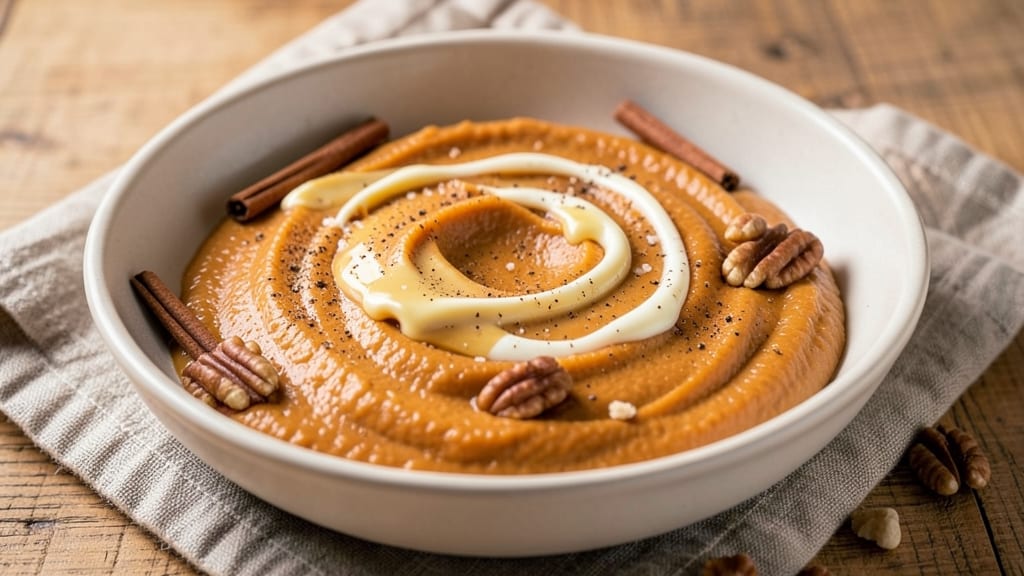
Sweet potato puree recipe combinations aren’t just a side—they’re the creamy, versatile base that transforms ordinary meals into something extraordinary. 💛 Whether you're craving a velvety dessert or a hearty savory dish, this smooth, naturally sweet puree adapts effortlessly to both.
I’ve perfected techniques to achieve that perfect silky texture every time, without lumps or bitterness, so you can focus on the creative combinations.
The beauty of sweet potato puree lies in its ability to elevate simple ingredients into something special. Blend it into rich soups, swirl it into decadent cheesecakes, or use it as a glazing base for roasted meats.
The key is balancing sweetness with complementary flavors—think cinnamon and nutmeg for desserts, or smoked paprika and garlic for savory dishes. With just a few pantry staples, you can create restaurant-quality results at home.
What makes this puree truly remarkable is its foolproof method—no fancy equipment required. A high-speed blender and a few minutes of patience are all you need to achieve that ultra-smooth consistency.
Once you master the base, the possibilities are endless: pair it with crispy bacon for breakfast, fold it into mashed potatoes for a twist on a classic, or even use it as a pie filling for a show-stopping dessert.
This isn’t just another recipe—it’s a flavor foundation that turns ordinary ingredients into extraordinary meals. Whether you're feeding a family or treating yourself to a special dish, sweet potato puree delivers richness, depth, and versatility in every bite. Let’s get started on your first creation!
Ingredients for sweet potato puree recipe combinations
Creamy sweet potato puree transforms ordinary meals into extraordinary dishes with just these 12 ingredients.
| Ingredient | Amount | Notes |
|---|---|---|
| Sweet Potatoes 🍠 | 2 lbs | Orange-fleshed, peeled and cubed |
| Unsalted Butter 🧈 | ½ cup | Cold, cut into cubes |
| Whole Milk 🥛 | ½ cup | Full-fat for creaminess |
| Cinnamon 🌿 | 1 tsp | Ground, pure Ceylon preferred |
| Ground Nutmeg 🌿 | ¼ tsp | Freshly grated preferred |
| Sea Salt 🧂 | ½ tsp | Diamond Crystal preferred |
| Vanilla Extract 🌸 | 1 tsp | Pure vanilla bean extract |
| Smoked Paprika 🌶️ | ½ tsp | For savory variations |
| Garlic Powder 🧄 | ¼ tsp | Freshly ground preferred |
| Extra-Virgin Olive Oil 🫒 | ¼ cup | For roasting sweet potatoes |
| Brown Sugar 🍚 | 1 tbsp | Lightly packed |
| Fresh Ginger 🌿 | 1 tbsp | Finely grated, peeled |
The sweet potatoes are the star—choose vibrant orange-fleshed ones for that natural sweetness and rich color. Costco or local farmers markets often have the best quality, but any grocery store will work if you pick firm, unblemished tubers. Peeled and cubed, they roast beautifully in extra-virgin olive oil—don't skip this step, as it deepens their natural sweetness. For the best texture, roast until fork-tender rather than fully cooked. The butter and milk add luxurious creaminess, but if you're watching calories, Greek yogurt or coconut milk work wonderfully too. I always use Ceylon cinnamon for its delicate flavor, but regular ground works in a pinch.
No vanilla extract? Vanilla bean paste or even a scraped vanilla bean will give you that same depth of flavor. Want to skip the nutmeg? Cardamom at half the amount adds a completely different but equally interesting dimension. For savory applications, the smoked paprika and garlic powder become essential—Trader Joe's has excellent pre-mixed savory spice blends if you want to shortcut that part. The ginger adds a subtle kick that pairs beautifully with both sweet and savory dishes. If you're using this puree for desserts, add the spices after blending to control the intensity—you can always add more, but you can't take it out. For savory dishes, blend the spices right in for even distribution.
This puree keeps beautifully—5 days in the fridge sealed in an airtight container, or 3 months in the freezer for long-term storage. I like to portion it into ice cube trays before freezing so I can grab exactly what I need for recipes. The texture thickens as it cools, so if it seems too stiff after refrigeration, simply reheat with a splash of milk or water. Leftovers reheat perfectly—just microwave in 30-second bursts, stirring between each, until warmed through. The puree actually tastes better the next day as the flavors meld together, so make extra if you can—it disappears fast around here!
Why You'll Love This Recipe
- No-Peel Hassle: I peel sweet potatoes in my sleep—but honestly, you can skip it. Roast them whole, scoop out the flesh, and blend. That’s it. No knife fights, no wasted scraps.
- Velvet-Smooth Magic: The butter and milk turn it into something dangerously creamy. A pinch of nutmeg? Instant depth. It’s like dessert masquerading as a side dish—sweet, warm, and just a little cozy.
- Breakfast to Dinner: Spread it on toast for a lazy morning, dollop it over grilled chicken for a weeknight dinner, or serve it alongside roasted pork for a holiday feast. Same puree, endless possibilities.
- Budget Bulk: Sweet potatoes are cheap, and this recipe stretches far. Make a big batch, freeze portions, and thank me later when you’re reheating leftovers for lunch. Zero waste, all flavor.
Step-by-step instructions for versatile sweet potato puree
Transform humble sweet potatoes into a velvety, adaptable base for both sweet and savory dishes.
🔥 Step 1: Roast the Sweet Potatoes for Deep Flavor
Preheat your oven to 400°F and toss the 2 lbs cubed sweet potatoes with 0.25 cup extra-virgin olive oil on a rimmed baking sheet. Spread them in a single layer—crowding steams instead of roasting. Roast for 25-30 minutes until fork-tender with caramelized edges.
This roasting method develops natural sweetness and prevents the puree from being watery. You'll know they're done when the edges are deep golden brown and a knife slides in easily. Real talk: don't skip this step—steamed sweet potatoes yield a bland puree.
👨🍳 Step 2: Create the Creamy Base with Butter and Milk
Transfer the roasted sweet potatoes to a food processor or blender. Add the 0.5 cup cold cubed butter and 0.5 cup whole milk—the cold butter prevents the puree from becoming greasy. Process until completely smooth, stopping to scrape down the sides as needed. This ensures even texture and maximum creaminess.
For extra richness, I like to add 1 tbsp finely grated fresh ginger at this stage. It adds subtle warmth that pairs beautifully with both sweet and savory applications. The puree should be velvety with a silky consistency—if it's too thick, add 1-2 tablespoons milk to reach your desired texture.
🥘 Step 3: Season for Versatility (Sweet or Savory)
For sweet applications, add 1 tsp cinnamon, 0.25 tsp ground nutmeg, 1 tsp vanilla extract, and 1 tbsp brown sugar. For savory dishes, use 0.5 tsp sea salt, 0.5 tsp smoked paprika, and 0.25 tsp garlic powder instead. Mix thoroughly to distribute the flavors evenly.
Here's the thing—this puree is your blank canvas. The sweet version works perfectly in pies, muffins, or ice cream bases, while the savory version shines in soups, mashed potato variations, or even as a glaze for roasted meats. Don't be afraid to experiment with ratios—I often use half the seasoning for more subtle flavors.
⏰ Step 4: Adjust Consistency and Store Properly
Taste your puree and adjust seasoning if needed. For a thicker consistency, simmer uncovered for 5-10 minutes to evaporate excess moisture. For a thinner spread, stir in more milk. The puree should be smooth enough to pipe through a pastry bag if using for desserts.
Transfer to airtight containers and store in the refrigerator for up to 5 days or freeze for 3 months. When reheating, warm gently over low heat with a splash of milk to restore creaminess. This puree keeps beautifully—perfect for meal prep or holiday baking.
Pro Tips For Making Sweet Potato Puree Recipe Combinations
- ROAST UNTIL TENDER: Sweet potatoes should collapse like butter when pierced with a knife—no fighting, no rubbery chunks. I used to pull them at 200°F (internal temp 205°F) and wondered why my puree was grainy. Wait until they’re mushy inside, then roast 5 more minutes. (Yes, even if the skin looks perfect.)
- PEEL WHEN COOL: Hot sweet potatoes turn to mush when you peel them—trust me, I’ve ruined batches. Let them cool on a wire rack for 10 minutes first. The skin slides off effortlessly, and you won’t end up with a lumpy puree from overworked flesh.
- MILK IN STAGES: Dumping all the milk at once dilutes the flavor and makes the puree watery. Start with ¼ cup warm milk, whisk it in, then taste. Add more gradually—you’re aiming for creaminess, not soup. (Pro move: Use a splash of the cooking liquid from the roasted potatoes for extra depth.)
- NUTMEG FRESHLY GROUND: Pre-ground nutmeg loses its punch fast. I kept wondering why my puree tasted flat until I switched to freshly grating a pinch (about ⅛ teaspoon) right before mixing. The aroma hits differently—like the difference between coffee grounds and instant. (Same goes for cinnamon: toast it first for warmth.)
Serving suggestions for this sweet potato puree recipe combinations
Sweet Potato Dessert Pairings
Transform your puree into a showstopping dessert by swirling it into cheesecake batter—just fold in 1 cup sweet potato puree with 16 oz cream cheese and 1 cup graham cracker crumbs. Bake at 350°F for 35 minutes for a creamy, spiced center.
For a quicker treat, blend 1 cup puree with 2 cups Greek yogurt, 2 tbsp honey, and 1 tsp cinnamon for a 5-minute parfait. 🍰
Savory Mash Upgrades
Elevate classic mashed potatoes by mixing ½ cup sweet potato puree with 3 cups mashed Yukon Golds, 3 tbsp butter, and ¼ cup sour cream. Top with crispy bacon bits and chives for a restaurant-worthy side.
For a smoky twist, stir ½ tsp smoked paprika and 1 tbsp cream cheese into the puree before blending—it pairs perfectly with roasted chicken or pulled pork.
Soup & Stew Enhancers
Add depth to chicken noodle soup by swirling in ½ cup sweet potato puree—it thickens naturally and adds a caramelized sweetness that balances broth flavors. For creamier chili, replace half the beans with 1 cup puree and simmer for 15 minutes to meld flavors.
Garnish with avocado slices and cilantro for a fresh contrast. The puree also works as a glaze for roasted Brussels sprouts—toss with 1 tbsp olive oil and ½ tsp garlic powder before roasting. 🥘
Breakfast Game-Changers
Start your day with sweet potato toast—spread 2 tbsp puree on whole-grain toast, top with fried eggs, and sprinkle with crumbled feta and everything bagel seasoning.
For a make-ahead option, blend 1 cup puree with 1 cup ricotta, 1 tsp cinnamon, and 1 tbsp maple syrup—pipe onto toast and broil for 3 minutes for a warm, gooey breakfast treat. 🍳
Global Flavor Twists
Give your puree an Indian-inspired makeover by blending in ½ tsp cumin, ½ tsp turmeric, and 1 tbsp coconut milk—use it as a curry base or naan dip.
For a Mexican flair, mix with ½ tsp chili powder, ¼ tsp cumin, and 1 tbsp lime juice to create a smoky salsa dip for tortilla chips.
The puree also shines in Japanese curry—simmer with potatoes, carrots, and onion for a thick, velvety sauce. 🌍
Nutrition facts
Frequently asked questions
Can I substitute regular potatoes for sweet potatoes in this puree?
Sweet potatoes are essential for that natural sweetness and vibrant color. Regular potatoes will yield a bland, watery puree with less depth of flavor. If you absolutely must use regular potatoes, roast them first to develop some sweetness, then blend with extra butter and spices to compensate. For best results, stick with sweet potatoes—they're worth the effort!
How do I fix a puree that's too thick or too thin?
For a thicker puree, simmer uncovered for 5-10 minutes to evaporate excess moisture. If it's too thin, stir in 1-2 tablespoons milk or blend in 1 tablespoon cornstarch mixed with 1 tablespoon water. The key is adjusting while warm—cooling changes the consistency dramatically. Always taste as you go!
What's the best way to store leftover puree?
Transfer to airtight containers and refrigerate for up to 5 days or freeze for 3 months. For freezing, portion into ice cube trays first—this makes it easy to grab exactly what you need later. When reheating, warm gently with a splash of milk to restore creaminess. The puree actually tastes better the next day as flavors meld!
Can I make this puree dairy-free?
Replace butter with ½ cup coconut oil or ½ cup vegan butter, and use ½ cup unsweetened almond milk or coconut milk instead of regular milk. For extra richness, add 2 tablespoons cashew cream. The texture will be slightly different but still delicious—just don't expect the same velvety mouthfeel as dairy versions.
How do I prevent my puree from turning out grainy?
Roast the sweet potatoes until completely fork-tender (no hard centers!) and blend with hot liquid (like warm milk) rather than cold. For ultra-smooth results, strain through a fine-mesh sieve after blending. The key is patience—don't rush the roasting step. If you do get lumps, simply blend again with a splash of milk until silky smooth.