
Side Dishes
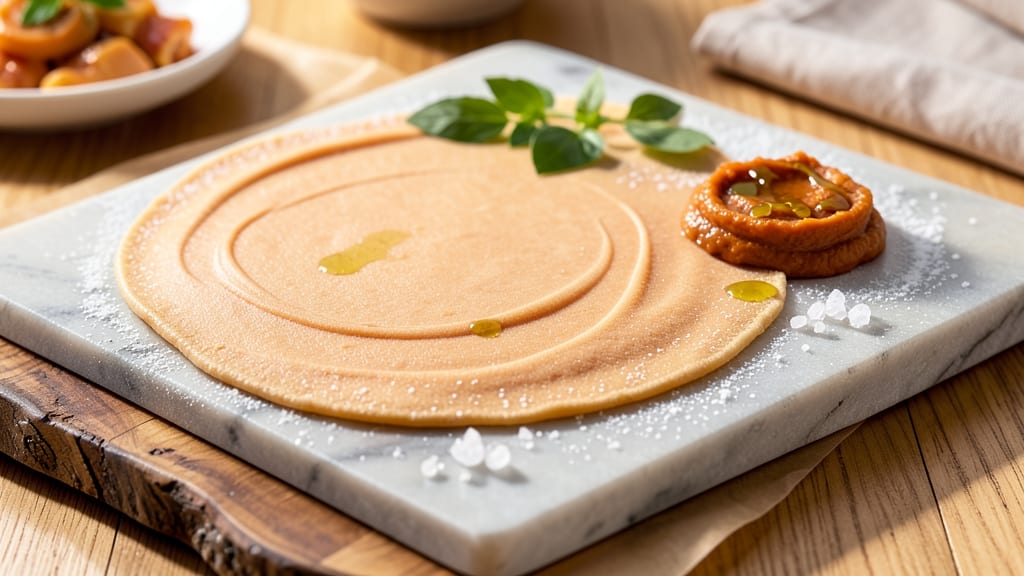
Sweet potato ravioli dough transforms ordinary pasta into a vibrant, silky masterpiece—no pasta machine required. ✨ The secret lies in blending sweet potato puree with simple pantry staples to create dough that's naturally tender and packed with subtle sweetness. I developed this recipe after years of experimenting with alternative flours, and it never fails to impress, even with picky eaters.
What sets this dough apart is its perfect balance of structure and flexibility—ideal for hand-rolled ravioli with crisp edges and a delicate bite. The sweet potato puree replaces some flour, adding natural moisture while keeping the texture light and workable.
Best of all, this recipe uses basic ingredients you likely already have: all-purpose flour, eggs, water, and of course, sweet potatoes.
Once assembled, these golden-orange ravioli cook in just 3 minutes, yielding pillowy centers that hold their shape beautifully. The natural sweetness of the dough pairs perfectly with tangy sauces like brown butter sage or a simple tomato-basil reduction.
They're equally at home in a creamy Alfredo or as a vegetarian centerpiece for any meal.
Make ahead for meal prep, or freeze uncooked ravioli for up to 2 months—they thaw perfectly when ready to cook. The dough's vibrant color and subtle sweetness make it a standout dish that feels special without requiring advanced techniques. Let's get started on creating your own silky orange swirls!
Ingredients for sweet potato ravioli dough
Eight simple ingredients blend into dough so vibrant it transforms any meal into a golden spectacle.
| Ingredient | Amount | Notes |
|---|---|---|
| All-Purpose Flour 🌾 | 2 ½ cups | Sifted for light texture |
| Large Eggs 🥚 | 2 whole | Room temperature for blending |
| Sweet Potato Puree 🍠 | 1 cup | Homemade or canned, unsweetened |
| Extra-Virgin Olive Oil 🫒 | ¼ cup | For dough elasticity |
| Granulated Sugar 🍚 | ½ tsp | Balances sweetness |
| Diamond Crystal Kosher Salt 🧂 | ½ tsp | Fine grain preferred |
| Water 💧 | ¼ cup | Room temperature |
| Nutritional Yeast 🧀 | 1 tbsp | For umami depth (optional) |
| Fresh Basil Leaves 🌿 | ¼ cup | Finely chopped for aroma |
| Semolina Flour 🌾 | ½ cup | For rolling surface |
The sweet potato puree is your secret weapon—canned unsweetened works in a pinch, but homemade yields deeper flavor. For the best texture, use a starchy orange sweet potato (like Jewel or Beauregard), not the dry white varieties. I always make a double batch of puree and freeze it in ice cube trays for future recipes. The flour matters too: King Arthur or Gold Medal brands give the best gluten structure for hand-rolling. Store-bought flour works fine, but if it's been sitting in your pantry for months, toast it lightly in a dry pan to revive its freshness.
No sweet potato puree? Roasted sweet potato mash works perfectly—just blend cooked sweet potato with a splash of water until smooth. Running short on eggs? Flax eggs (1 tbsp ground flaxseed + 3 tbsp water per egg) maintain the dough's structure. The nutritional yeast adds that cheesy depth, but skip it if you prefer a cleaner sweet potato flavor. For the basil, fresh is ideal, but dried basil at half the amount gives a similar aromatic punch. If you're making this ahead, the dough keeps for 2 days wrapped in plastic in the fridge—just bring it to room temperature before rolling.
This dough is a meal prep dream—portion into 1-ounce balls and freeze for up to 2 months. Thaw overnight in the fridge before using. The semolina is non-negotiable for rolling; its coarse texture prevents sticking and gives those coveted crisp edges. For extra shine, brush the finished ravioli with a tiny bit of olive oil before cooking. The dough's natural sweetness means it pairs beautifully with acidic sauces like lemon-herb butter or spicy arrabbiata—trust me, the contrast is magical.
Why You'll Love This Recipe
- No Puree Hassle: I just blend, steam, and mash one sweet potato—no peeling mountains or food processor battles. The puree mixes into the dough like butter, and honestly? It’s the easiest way to get that velvety texture without the fuss.
- Sweet-Savory Magic: That touch of sugar in the dough caramelizes just enough when cooked, balancing the earthy sweet potato while the olive oil keeps it tender. It’s the kind of flavor that makes you pause mid-bite—like a hug from your nonna’s kitchen.
- Freezer-Friendly Flex: Make a big batch, freeze the dough on a tray, then toss it in a bag. Need dinner in a pinch? Thaw, roll, and boil—no last-minute grocery runs. My go-to for lazy Sundays or when I’m too tired to think past "carbs."
- Budget Booster: Sweet potatoes are cheap, eggs stretch further than you’d think, and flour? Always on hand. This dough turns basic ingredients into something restaurant-worthy without breaking the bank. (Yes, even on a Tuesday night.)
Step-by-step instructions for sweet potato ravioli dough
Here's how to craft a velvety sweet potato dough with vibrant color and perfect texture.
👨🍳 Step 1: Create the Sweet Potato Base
In a medium bowl, combine the 1 cup sweet potato puree, 0.25 cup extra-virgin olive oil, 0.5 tsp granulated sugar, 0.5 tsp diamond crystal kosher salt, 0.25 cup water, and 1 tbsp nutritional yeast. Whisk vigorously until completely smooth—this ensures even distribution of all flavors and prevents lumps later. The mixture should be silky and homogeneous, with no visible streaks of sweet potato.
Here's the thing—this base needs to be perfectly balanced. The olive oil adds elasticity while the sugar and salt enhance the sweet potato's natural sweetness. Let this mixture sit at room temperature for 10 minutes while you prepare the dry ingredients. This resting period allows the flavors to meld slightly, creating a more cohesive dough structure.
👨🍳 Step 2: Combine Wet and Dry Ingredients
In a separate large bowl, sift the 2.5 cups all-purpose flour to aerate it—this prevents dense dough. Make a well in the center and pour in the sweet potato mixture. Using a wooden spoon or dough whisk, gradually incorporate the flour from the edges, working your way toward the center. You're aiming for a shaggy, sticky dough that comes together when pressed.
Once combined, add the 0.25 cup finely chopped fresh basil leaves and mix thoroughly. The basil will infuse the dough with bright herbal notes that complement the sweet potato's earthiness. At this stage, the dough should be soft but manageable. If it's too sticky, add 1 tablespoon more all-purpose flour at a time until it holds together when pressed between your fingers.
🥘 Step 3: Knead for Elasticity and Smoothness
Turn the dough onto a lightly floured surface and knead for 8-10 minutes by hand. I like to use the "fold and press" method: fold the dough in half, press down firmly with your palm, then rotate and repeat. This develops gluten gradually without overworking the dough. The goal is a smooth, elastic texture that springs back slightly when pressed.
You'll know it's ready when the dough is no longer sticky to the touch and has a satiny sheen. If it feels too dry, add 1 teaspoon water at a time; if too sticky, add 1 tablespoon flour. The dough should be pliable but not tacky. Wrap it tightly in plastic wrap and let it rest at room temperature for 30 minutes—this relaxation period prevents shrinking when you roll it out later.
⏰ Step 4: Prepare for Rolling and Filling
After resting, divide the dough into 4 equal portions (about 6 ounces each) for easier handling. Roll each portion into a ¼-inch thick rectangle on a surface dusted with 0.5 cup semolina flour. The semolina prevents sticking and gives the ravioli a beautiful textured finish. Keep unused portions covered with a damp towel to prevent drying.
This is where the magic happens: the semolina creates that signature rustic look while keeping the delicate dough intact. For best results, use a pasta machine set to the widest setting and gradually reduce to your desired thickness. If you don't have a machine, roll by hand with a rolling pin until uniformly thin—about ⅛-inch thick for classic ravioli. The dough should be translucent with just a hint of orange showing through.
Pro Tips For Making Sweet Potato Ravioli Dough
- Weigh Your Flour: Dump-and-scoop flour packing varies wildly—your dough will be inconsistent if it’s not. Use a kitchen scale for precise 300g measurements (yes, even if your recipe says "cups"). I learned this the hard way when my first batch turned out either too stiff or too sticky, and now my ravioli shapes hold together perfectly.
- Chill the Puree: Warm sweet potato puree makes dough sticky and unmanageable. Spread it on a plate and refrigerate for 15 minutes before mixing—it’ll firm up just enough to handle. (Pro tip: If you’re in a rush, pop it in the freezer for 5 minutes instead.)
- Work Fast After Mixing: Once you combine flour, eggs, and puree, the dough starts sticking together within 10 minutes. Roll it out immediately on a floured surface—don’t let it sit, or you’ll fight gluten development the whole time. I used to wait, and my ravioli always ended up lumpy.
- Use Room-Temp Eggs: Cold eggs make dough tough and hard to knead. Let them sit in warm water for 2 minutes before cracking them in—your dough will be smoother and easier to shape. (I know, it’s a small detail, but it makes a real difference when you’re filling tiny ravioli.)
Troubleshooting perfect results
Dough Too Sticky
If your dough feels more like glue than pliable dough, you're likely overdoing the sweet potato puree. The solution? Add flour in 1 tablespoon increments until the dough just holds together when pressed.
I've found that King Arthur all-purpose flour absorbs moisture better than store brands, so if you're using that, you might need slightly less extra flour. Also, ensure your sweet potato puree is completely smooth—any lumps can disrupt the dough's structure and make it stickier. 💫
Dough Too Dry
Dry dough happens when the environment is too warm or the flour absorbs too much moisture. To fix this, add 1 teaspoon water at a time while kneading, just until the dough becomes pliable again. If the dough cracks when you press it, it’s still too dry—keep adding water gradually.
Pro tip: Cover your work surface with a damp towel to prevent the dough from drying out during kneading. The goal is a dough that feels like soft playdough, not a brittle cracker.
Ravioli Sticking Together
This usually means your dough isn't rolled thin enough or your filling is too wet. For perfect separation, roll your dough to ⅛-inch thickness and dust generously with semolina between layers.
If your filling is too moist (like ricotta or mashed sweet potato), pat it dry with a paper towel before filling. I also recommend using a sharp paring knife to cut the ravioli—it gives cleaner edges than scissors.
For extra insurance, freeze the filled ravioli on a tray for 15 minutes before cooking to prevent sticking during boiling. 🥘
Dough Tears When Rolling
Tears happen when the dough isn't rested long enough or isn't elastic enough. Let your dough rest for the full 30 minutes before rolling—this relaxes the gluten and prevents tearing.
If it still tears, try rolling it slightly thicker (⅛-inch) and fold it into thirds like a letter before cutting. Another trick? Use a pasta machine set to its widest setting first, then gradually reduce thickness.
If you're rolling by hand, keep your rolling pin moving in one direction to avoid stretching the dough unevenly.
Color Too Pale
The vibrant orange hue comes from the sweet potato puree, so if your dough looks dull, you might not have enough puree. For deeper color, add 1-2 teaspoons more sweet potato puree to your dough and knead it in thoroughly.
If you're using canned puree, switch to homemade—freshly cooked and blended sweet potato yields richer color. For extra vibrancy, add a pinch of turmeric (just ⅛ teaspoon) to the dough, but use sparingly as it can alter the flavor slightly. 🌟
Ravioli Cooking Unevenly
Uneven cooking usually means your ravioli are too thick in some spots. Aim for ⅛-inch thickness and use a ruler to check consistency. If they float to the surface before cooking through, they're likely too thick—cut them slightly thinner.
For even cooking, bring a large pot of water to a rolling boil before adding the ravioli. Once the water returns to a boil, cook for 2-3 minutes (they're done when they float). If you're frying them, use 350°F oil and cook for 1-2 minutes per side until golden. 🔥
Nutrition facts
Frequently asked questions
Can I substitute regular potato for sweet potato in this dough?
No, sweet potatoes are essential for both flavor and texture. Their natural sweetness and moisture content create the signature silky dough, while regular potatoes lack the vibrant color and subtle sweetness. For a similar effect, try butternut squash puree as a substitute, but test the texture first—it may require slightly more flour.
How do I know when the dough is rested enough before rolling?
The dough is ready when it springs back slowly (not immediately) when pressed with your finger. After the 30-minute rest, press a small section—if it leaves a slight indent that doesn't bounce back, it's perfect. Cold temperatures slow gluten relaxation, so if your kitchen is warm, extend the rest to 45 minutes for best results.
What's the best filling for sweet potato ravioli?
Classic pairings include herbed goat cheese, roasted butternut squash, or spiced ricotta with caramelized onions. For vegetarian options, try mashed sweet potato with sage and pecorino, or a ricotta-spinach blend. Keep fillings moist but not watery—pat them dry before assembling to prevent soggy ravioli.
Can I make this dough ahead of time?
Wrap the dough tightly in plastic and refrigerate for up to 2 days or freeze for 2 months. Thaw overnight in the fridge before using. For frozen dough, let it sit at room temperature for 30 minutes after thawing to prevent cracking when rolled.
Why does my dough have gray streaks?
Gray streaks usually mean uneven mixing or too much exposure to air during kneading. To fix it, knead the dough longer (up to 12 minutes) until fully homogeneous. For prevention, work quickly and keep the dough covered between steps. If the issue persists, reduce the olive oil slightly—excess fat can create separation.