
Desserts
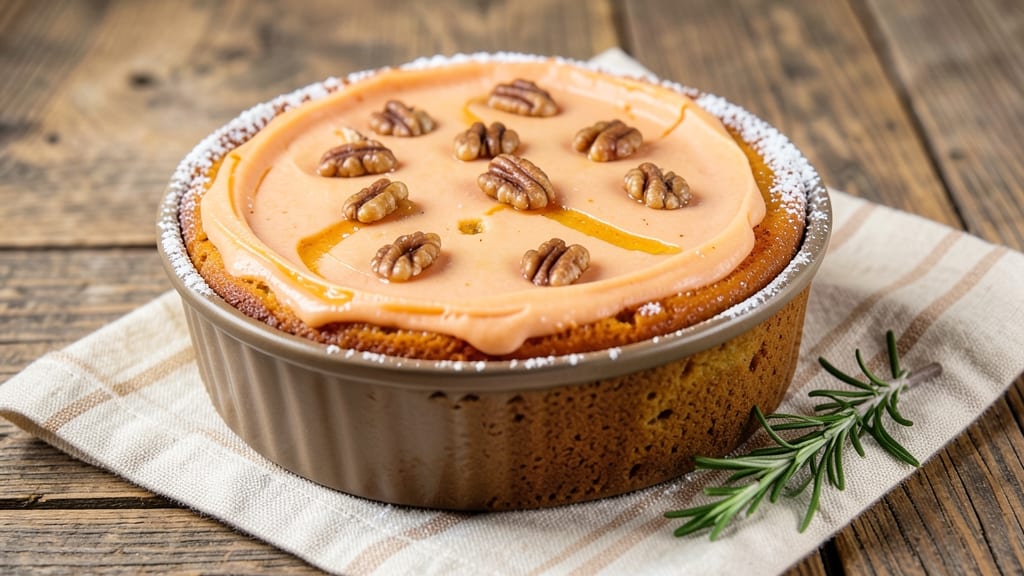
This sweet potato sponge cake delivers moist golden layers with natural sweetness and warm spice notes that make every slice irresistible. The secret lies in steaming the sweet potato first—this transforms it into a velvety purée that keeps the cake tender without drying it out.
I've perfected this recipe over years of baking, and the results are always light, fluffy, and packed with that comforting autumnal flavor.
What sets this cake apart is how the sweet potato replaces traditional butter or oil, creating a naturally moist crumb without heaviness. The recipe uses a simple folding technique for the egg whites, which ensures those signature airy layers while maintaining structure.
A touch of cinnamon and vanilla enhances the warm spice profile, making it perfect for fall gatherings or holiday desserts.
By the time it emerges from the oven, you'll have a cake with a golden, crackly top and a tender interior that's neither too sweet nor too dense.
The natural sweetness of the potato means you can reduce the sugar if desired, while the spice notes add depth that makes this cake stand out from basic vanilla sponge. Each slice is light enough to eat easily but substantial enough to satisfy serious dessert cravings.
The beauty of this recipe is its versatility—top with cream cheese frosting, dust with powdered sugar, or serve plain to let the natural flavors shine. It's the kind of dessert that feels special without requiring advanced baking skills. Let's get started on creating your perfect sweet potato sponge cake.
Ingredients for sweet potato sponge cake
Sweet potatoes, flour, and eggs create a naturally moist cake with golden layers and warm spice notes.
| Ingredient | Amount | Notes |
|---|---|---|
| Orange Sweet Potatoes 🍠 | 2 lbs | Medium-sized, peeled and cubed |
| All-Purpose Flour 🌾 | 2 cups | Sifted for light texture |
| Large Eggs 🥚 | 6 whole | Room temperature for best volume |
| Granulated Sugar 🍚 | 1 ½ cups | Adjust to taste if preferred |
| Unsalted Butter 🧈 | ½ cup | Melted, cooled slightly |
| Ground Cinnamon 🌿 | 1 ½ tsp | For warm spice depth |
| Vanilla Extract 🍯 | 1 tbsp | Pure extract preferred |
| Baking Powder 🧂 | 1 ½ tsp | Ensures proper rise |
| Salt 🧂 | ½ tsp | Balances sweetness |
| Cream Cheese 🧀 | 8 oz | Room temperature for frosting |
| Powdered Sugar 🍚 | 2 cups | For light frosting |
| Whole Milk 🥛 | ¼ cup | For cream cheese frosting |
The sweet potatoes are the star here. Orange varieties like Beauregard work best—their natural sweetness balances the flour perfectly. Most grocery stores carry them year-round, but check the produce section for firm, bright tubers. If you can't find orange, white sweet potatoes will work but may need an extra pinch of sugar. Peel and cube them before steaming—this ensures even cooking and a velvety purée. For the flour, King Arthur or Bob's Red Mill brands are ideal; they're sifted and consistent in texture. The eggs should be room temperature when you measure them, as cold eggs won't incorporate as well into the batter.
No sweet potatoes? Canned pumpkin puree (unsweetened) works in a pinch, but reduce the sugar to 1 cup. For the butter, European-style brands like Plugrá melt more smoothly. If you're watching sugar, you can reduce the granulated sugar to 1 cup—just add 1 tbsp of maple syrup to compensate for moisture. The cream cheese frosting is where you can get creative: add a pinch of cardamom or a splash of orange zest for extra depth. For the vanilla, Madagascar bourbon vanilla adds a richer flavor than imitation extracts. And if you're baking in a dry climate, increase the milk to 1/3 cup to keep the frosting light.
Steamed sweet potatoes keep for 3 days in the fridge, but purée them immediately after steaming for best results. The cake batter can be prepped 1 day ahead and stored in the fridge—just let it sit at room temperature for 30 minutes before baking. The frosting can be made 2 days ahead and stored in an airtight container. For serving, dust with powdered sugar or garnish with candied pecans. The cake itself stays fresh for 4 days at room temperature, wrapped tightly in plastic. If you're making this for a crowd, bake two 9-inch pans—they're easier to serve than a single large sheet.
Why You'll Love This Recipe
- Moist Without Mixing: I swear by the creamy texture—roasting the sweet potatoes first softens them into a velvety puree that blends into the batter like magic. No food processor? Hand-mash it with a fork. That’s how low-effort this gets.
- Sweet-Spiced Magic: The natural caramel notes from the sweet potatoes pair perfectly with the butter and sugar, but here’s the kicker: a pinch of cinnamon or vanilla turns it into something ridiculously cozy. Honestly, I’ve had people ask if it’s pumpkin cake—and I don’t correct them.
- Breakfast or Dessert: Serve it warm with a drizzle of honey for a lazy Sunday morning, or dust it with powdered sugar for a no-fuss dessert. My kids grab slices straight from the pan (yes, even when I’m still making it), and it’s just as good cold the next day.
- Pantry-Friendly Stretch: Sweet potatoes last weeks in the fridge, and flour, eggs, and butter are staples you already own. This recipe uses what’s on hand, so it’s never a special-occasion splurge—just pure, reliable comfort that won’t break the bank. Leftovers? They disappear faster than I can say “second slice.”
Step-by-step instructions for sweet potato sponge cake
Here's how to create perfectly moist golden layers with warm spice notes every time.
Roast the Sweet Potatoes Until Tender
Preheat your oven to 400°F. Toss the 2 lbs orange sweet potatoes (peeled and cubed) with 1 tablespoon olive oil and ½ teaspoon salt on a rimmed baking sheet. Roast for 25-30 minutes until fork-tender and golden brown, stirring once halfway through.
You'll know they're done when the edges caramelize slightly and the inside yields to gentle pressure. Let them cool completely before processing—this prevents excess moisture in your batter. I like to spread them on a wire rack to cool faster while I prepare the other ingredients.
Process the Sweet Potatoes and Mix Wet Ingredients
Transfer the cooled sweet potatoes to a food processor and pulse until smooth, scraping down the sides as needed. In a separate large bowl, whisk together the sweet potato puree, 1.5 cups granulated sugar, 6 whole large eggs, 0.5 cup melted unsalted butter, 1 tbsp vanilla extract, 1.5 tsp ground cinnamon, and 0.5 tsp salt until fully combined.
The mixture should be smooth and slightly thick—this is your base for that signature moist texture. If you notice any lumps from the sweet potatoes, strain the puree through a fine-mesh sieve to ensure a silky batter. This step makes all the difference for tender crumb.
Gently Fold in Dry Ingredients
Sift the 2 cups all-purpose flour and 1.5 tsp baking powder together into a medium bowl. Using a spatula, gently fold the dry ingredients into the sweet potato mixture in three additions, being careful not to overmix. The batter should be thick but pourable—like a well-beaten cake batter.
This is where patience pays off. Overmixing develops gluten, which can make your cake dense. Stop folding when you still see a few flour streaks—this ensures a light, airy texture. The batter should coat the back of your spatula but remain slightly thick rather than runny.
Bake in Layers for Perfect Rise
Preheat your oven to 350°F. Grease and flour three 8-inch round cake pans (or use parchment rounds). Divide the batter evenly among the pans. Bake for 25-30 minutes until a toothpick inserted in the center comes out clean and the edges are golden.
I recommend baking one layer at a time to maintain oven temperature consistency. The cakes should spring back slightly when pressed gently in the center. Let them cool in the pans for 10 minutes before transferring to a wire rack to cool completely—this prevents them from cracking as they set.
Make the Cream Cheese Frosting
In a medium bowl, beat the 8 oz room-temperature cream cheese and 2 cups powdered sugar together until smooth. Add the 0.25 cup whole milk and 1 tbsp vanilla extract, beating until light and fluffy. This should take about 3-4 minutes with an electric mixer.
The frosting should be thick enough to hold peaks but still spreadable. If it's too thick, add 1 teaspoon milk at a time until you reach the perfect consistency. This frosting is what brings all the warm spice notes together with a creamy finish—don't skip the vanilla extract, as it enhances the sweet potato flavor beautifully.
Assemble and Chill for Best Texture
Place one cake layer on a serving plate and spread with about ⅓ of the frosting. Repeat with the remaining layers, frosting the top and sides. Chill the cake in the refrigerator for at least 1 hour before serving to allow the flavors to meld and the frosting to set slightly.
This chilling step is crucial—it prevents the frosting from melting too quickly and gives you clean slices. The cake will be moist and tender, with that signature sweet potato flavor shining through every bite. Serve at room temperature for the best experience.
Pro Tips For Making Sweet Potato Sponge Cake
- Boil Sweet Potatoes Until Tender: Sweet potatoes straight from the oven are tough to mash—boil them first until they collapse like overcooked spuds. This takes about 15 minutes after they’re pierced, and it’s the only way to get that silky texture that doesn’t turn gummy when baked.
- Room-Temp Eggs Beat Better: Cold eggs from the fridge won’t whip properly, and your sponge will end up dense. Take them out 30 minutes before mixing—yes, even if you’re in a hurry, they’ll fold in smoother and hold air longer.
- Don’t Overmix the Batter: Once the flour hits the wet ingredients, stop mixing after just 10 strokes. I learned this after three lumpy cakes—overworking the batter makes gluten toughen up, and your sponge turns into a sad, dense brick instead of light and airy.
- Use Room-Temp Butter for Creaming: Cold butter creates pockets of air that don’t dissolve, leaving your cake dry. Let it sit out for 20 minutes before creaming it with sugar—your cake will stay moist longer, especially since sweet potatoes are already humid.
Perfect pairings for this dish
Cream Cheese Frosting
The classic cream cheese frosting is a must with this cake—its tangy creaminess balances the sweet potato's natural sweetness beautifully. Whip 8 oz room-temperature cream cheese with 2 cups powdered sugar until smooth, then add ¼ cup milk and 1 tbsp vanilla extract.
For extra warmth, fold in ½ tsp cinnamon or 1 tsp orange zest. This frosting should be thick but spreadable, holding its shape on the cake layers. 🧀
Spiced Whipped Cream
For a lighter alternative, try spiced whipped cream. Whip 2 cups heavy cream with 2 tbsp powdered sugar, 1 tsp vanilla, and ¼ tsp cinnamon until stiff peaks form. Pipe it over the cake or dollop between layers for a fresh contrast.
The cinnamon echoes the cake's spice notes while keeping the texture airy. Perfect for those who prefer less frosting but still want richness.
Caramel Drizzle
Add a salted caramel drizzle to elevate the cake to restaurant-quality. Heat 1 cup granulated sugar and ½ cup heavy cream until golden, then cool slightly and drizzle over the assembled cake. Sprinkle with flaky sea salt to enhance the caramel's sweetness.
This pairs exceptionally well with the cake's warm spices, creating a sophisticated finish. Store-bought caramel sauce works in a pinch, but homemade is worth the effort. 🍯
Fruit Compote
A warm cranberry-orange compote adds vibrant acidity to cut through the cake's richness. Simmer 1 cup cranberry sauce, 2 tbsp orange juice, and 1 tbsp honey until thickened, then strain for a smooth texture.
Spoon it over slices or use it as a filling between layers. The tartness complements the sweet potato's earthiness perfectly, especially during holiday seasons.
Chocolate Ganache
For chocolate lovers, a dark chocolate ganache adds a decadent twist. Melt ½ cup dark chocolate chips with ½ cup heavy cream, then cool slightly before drizzling over the cake.
The deep cocoa pairs surprisingly well with the sweet potato's natural sweetness, creating a complex flavor profile. Use 70% dark chocolate for a balance of bitterness and sweetness. 🍫
Nutty Crunch Topping
Finish with a toasted pecan or walnut crumble for texture. Pulse 1 cup chopped pecans with 2 tbsp brown sugar and 1 tsp cinnamon, then toast in a dry pan until golden.
Sprinkle over the frosting before serving. The nuts add a satisfying crunch that contrasts the cake's tender crumb, making every bite more exciting. Store nuts in the freezer to keep them fresh longer.
Nutrition facts
Frequently asked questions
Why does this recipe steam the sweet potatoes instead of using canned purée?
Steaming creates a smoother, more flavorful purée that's less watery than canned versions. The process concentrates the natural sweetness and caramelizes the edges slightly, giving the cake deeper flavor. Plus, steamed potatoes have a silkier texture that blends perfectly into the batter without lumps. For best results, use fresh sweet potatoes—they're sweeter and more aromatic than canned.
Can I make this cake without eggs?
Yes, but you'll need to substitute with a flax or aquafaba mixture. Replace each egg with 1 tbsp ground flaxseed + 3 tbsp water (let sit for 5 minutes) or 2 tbsp aquafaba (chickpea brine) whipped to stiff peaks. The texture will be slightly denser, but still delicious. For best rise, add ½ tsp extra baking powder to compensate for the missing structure.
How do I fix a sunken center in my sweet potato cake?
This usually happens from overbaking or opening the oven too soon. For next time, check doneness at 25 minutes and use the toothpick test. If it's already baked, try this fix: Slice the cake horizontally to create two layers, then spread with extra frosting and reassemble. The frosting will help camouflage the issue while keeping it moist. For prevention, always preheat your oven thoroughly and avoid opening it during baking.
Can I use white sweet potatoes instead of orange?
You can, but expect a milder flavor and slightly less natural sweetness. White sweet potatoes work best when you reduce the sugar by ¼ cup and add ½ tsp extra cinnamon to compensate. They also tend to be drier, so you may need to add 1-2 tbsp extra milk to the batter for moisture. For best results, choose firm, starchy varieties like 'Beauregard' if possible.
How long will this cake keep fresh?
At room temperature, this cake stays fresh for 4 days when wrapped tightly in plastic wrap. For longer storage, refrigerate for up to 7 days or freeze individual layers for 3 months. To serve from frozen, thaw overnight in the fridge and bring to room temperature before slicing. The frosting may soften when thawed, so you can gently reheat it in the microwave for 10 seconds to restore its texture.