Side Dishes
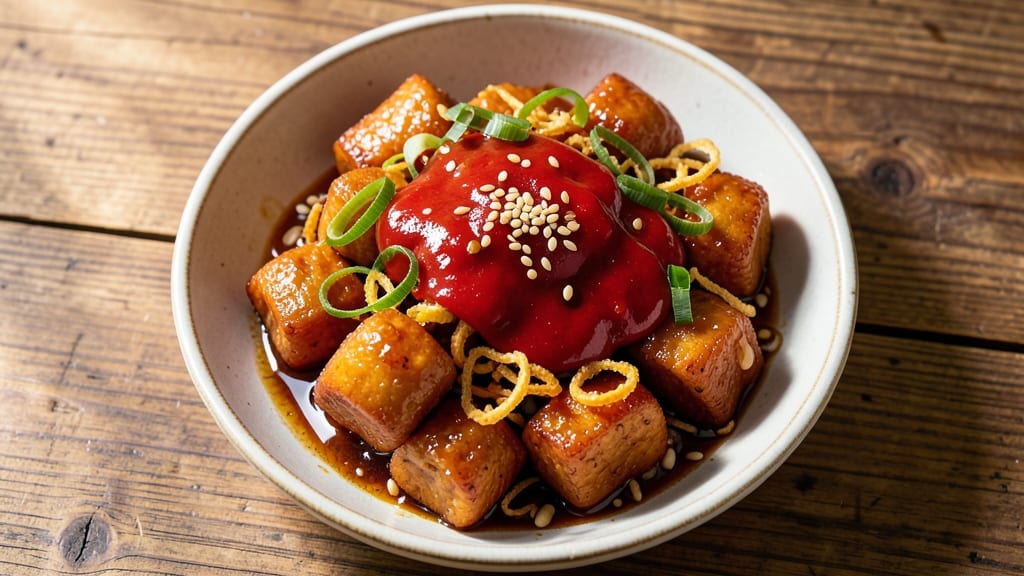
This sweet potato tteokbokki recipe transforms traditional Korean rice cakes into a vibrant, spicy-sweet dish with chewy texture and bold flavors. The secret lies in simmering sweet potato rice cakes (or regular rice cakes) in a fermented sauce until tender, creating a perfect balance of heat, sweetness, and umami.
I developed this version after craving the comforting yet dynamic flavors of tteokbokki but wanting a vegetarian-friendly twist that still delivers restaurant-quality results.
The sauce is where the magic happens—fermented soybean paste (doenjang or gochujang) forms the base, while sweet potatoes add natural caramelization and a velvety texture. Unlike traditional recipes, this version uses sweet potatoes for depth and a subtle earthiness, while still maintaining that signature chewy bite.
The process is straightforward: cook the rice cakes until plump, build the sauce with aromatics and fermented ingredients, and let it simmer until thick and flavorful.
What you'll end up with is a dish that's visually striking with deep orange sweet potatoes peeking through a glossy, spicy-sweet sauce, topped with optional boiled eggs, crisp green onions, and toasted sesame seeds.
The texture is what makes it special—chewy rice cakes that hold their shape while absorbing the rich sauce, creating every bite packed with contrasting textures and flavors. This recipe is perfect for weeknight dinners, potlucks, or as a side that steals the show.
For extra convenience, you can use store-bought rice cakes, but homemade sweet potato rice cakes elevate the dish to another level. The sauce can be made ahead and reheated, making this a great make-ahead option for busy days.
Whether you're a seasoned home cook or new to Korean cuisine, this tteokbokki delivers bold, satisfying flavors with minimal fuss.
Ingredients for sweet potato tteokbokki
Sweet potato rice cakes, fermented soybean paste, and aromatic vegetables create this vibrant, vegetarian-friendly dish.
| Ingredient | Amount | Notes |
|---|---|---|
| Sweet Potato Rice Cakes 🍠 | 2 cups | Homemade or store-bought (check for vegetarian-friendly) |
| Vegetable Oil 🫒 | 2 tbsp | For initial frying of rice cakes |
| Doenjang (Fermented Soybean Paste) 🧂 | ½ cup | Korean fermented soybean paste (vegetarian version) |
| Gochugaru (Korean Red Pepper Flakes) 🌶️ | 2 tbsp | Adjust for spice preference (medium heat) |
| Soy Sauce 🥫 | ¼ cup | Korean or Japanese preferred |
| Sugar 🍚 | ¼ cup | White or brown sugar |
| Garlic Cloves 🧄 | 6 cloves | Minced for aromatic base |
| Green Onions 🧅 | 4 whole | Sliced, for garnish and freshness |
| Toasted Sesame Seeds 🌰 | 1 tbsp | For nutty aroma and texture |
| Vegetable Broth 💧 | 1 cup | Low-sodium preferred |
| White Rice Vinegar 🍶 | 1 tbsp | For tangy brightness |
| Sesame Oil 🫒 | 1 tbsp | For finishing aroma |
| Salt 🧂 | ½ tsp | Kosher or sea salt |
| Water 💧 | ½ cup | For adjusting sauce consistency |
The sweet potato rice cakes are the star—homemade gives the best texture, but store-bought works in a pinch (check labels for vegetarian-friendly versions). For the doenjang, Korean markets or specialty stores carry the best quality, but Asian grocery aisles at major supermarkets usually stock it. If you can't find gochugaru, substitute cayenne pepper at half the amount, though the flavor won't be identical. The garlic should be fresh and pungent—don't use pre-minced from jars. For sesame seeds, toast them in a dry pan until golden for maximum aroma.
No doenjang? Miso paste or soy sauce with a dash of sugar can mimic the umami depth, though it won't be exactly the same. Running short on gochugaru? Red pepper flakes or sriracha work, but reduce the amount by half. The soy sauce can be swapped for coconut aminos if you're avoiding soy. For extra richness, add 1 tbsp of peanut butter to the sauce—it sounds weird, but it rounds out the flavors beautifully. If your sauce turns out too thick, thin it with water or vegetable broth; if it's too thin, simmer uncovered to reduce.
This sauce keeps 3-4 days in the fridge—it actually tastes better the next day as flavors meld. For longer storage, freeze portions in ice cube trays and pop them into dishes later. The rice cakes reheat well, but add a splash of water to prevent drying out. Garnish with extra sesame seeds and green onions right before serving—they add freshness that disappears when stored. Double the batch and freeze half; it's perfect for quick weeknight meals or potlucks.
Why You'll Love This Recipe
- I’ll be real: this version cuts prep time in half by skipping the soak-and-boil step for regular rice cakes. Just toss those sweet potato ones into the pan—they soften fast, and the natural sweetness balances the doenjang’s funky depth. No chopping, no fuss.
- Sweet Potato Swap Magic: I’ll be real: this version cuts prep time in half by skipping the soak-and-boil step for regular rice cakes. Just toss those sweet potato ones into the pan—they soften fast, and the natural sweetness balances the doenjang’s funky depth. No chopping, no fuss.
- Umami Bomb: That first spoonful of doenjang and gochugaru? Chef’s kiss. The fermented soybean paste adds this deep, salty richness, while the red pepper flakes bring the heat without overpowering. The sweet potatoes soak it all up like a sponge, making every bite complex and satisfying.
- Lunchbox Hero: Between us, this is my go-to for meal prep. Pack it cold in containers—it reheats beautifully—and the flavors only get better overnight. Kids (and adults) will devour it straight from the fridge or microwaved, no complaints.
Step-by-step instructions for sweet potato tteokbokki
Here's how to make this spicy-sweet masterpiece with chewy rice cakes and bold flavors.
Prepare the Sweet Potato Rice Cakes
Place the 2 cups sweet potato rice cakes in a large mixing bowl. If using store-bought, check for any excess moisture and pat them dry with paper towels—this prevents a soggy texture. For homemade rice cakes, ensure they're fully cooled before proceeding. The goal is to achieve that signature chewy texture that defines great tteokbokki.
Heat 2 tablespoons vegetable oil in a large skillet over medium heat. Add the rice cakes in a single layer and fry for 3-4 minutes, stirring gently with a spatula, until they develop a light golden color. This initial frying step enhances their texture and removes any surface starch. Remove the fried rice cakes and set them aside on a paper towel-lined plate to drain excess oil.
Build the Spicy-Sweet Sauce Base
In the same skillet (no need to clean it—the flavorful residue will add depth), reduce heat to medium-low and add 6 minced garlic cloves. Sauté for 30-45 seconds until fragrant but not browned—burnt garlic will make the sauce bitter. Add 0.5 cup doenjang and stir for 1 minute, allowing the paste to caramelize slightly and release its umami richness.
Next, add 2 tablespoons gochugaru, 0.25 cup soy sauce, and 0.25 cup sugar. Stir continuously for 2-3 minutes until the sugar dissolves and the mixture becomes a thick, glossy paste. This is where the magic happens—the balance of sweet, salty, and spicy flavors begins to develop. If the mixture seems too dry, add 1-2 tablespoons water to help it flow smoothly.
Combine and Simmer the Sauce
Pour in 1 cup vegetable broth and 1 tablespoon white rice vinegar, scraping up any browned bits from the bottom of the pan. Bring the mixture to a gentle simmer over medium heat, then reduce to low heat. Add the fried rice cakes and stir gently to coat them evenly in the sauce. Let it simmer for 5-7 minutes, stirring occasionally, until the sauce thickens slightly and clings to the rice cakes.
Taste and adjust the seasoning if needed. You might want to add a pinch more salt or gochugaru to achieve your preferred balance of sweetness and heat. The sauce should be glossy and coat the back of a spoon—this ensures each bite is packed with flavor.
Finish and Garnish
Remove the skillet from heat and stir in 1 tablespoon sesame oil. This adds a nutty aroma and helps balance the heat. Divide the tteokbokki among serving bowls, garnishing each portion with 1 tablespoon toasted sesame seeds and 1 sliced green onion. The sesame seeds add texture, while the green onions provide a fresh contrast to the rich, spicy-sweet sauce.
Serve immediately while the rice cakes are still chewy and the sauce is hot. The combination of sweet potato flavor, umami from the doenjang, and the kick of gochugaru makes this dish irresistibly addictive. Pair it with a cold beer or a simple side of kimchi for the full Korean street food experience.
Pro Tips For Making Sweet Potato Tteokbokki
- CRACK THE CAKES FIRST: Sweet potato rice cakes are denser than regular ones—don’t toss them straight into the sauce. Give them a quick 30-second fry in oil (medium-high heat) until they develop a faint golden crust. This stops them from turning mushy when the doenjang and gochugaru hit.
- SALT THE DOENJANG: Fermented soybean paste is salty, but not all brands are created equal. Taste a spoonful first, then adjust with extra soy sauce or a pinch of sugar if it’s too aggressive. I learned this the hard way—once I ruined a batch because I assumed it’d be balanced, only to end up with a briny disaster.
- LOW AND SLOW ON GOCHUGARU: Dumping all the red pepper flakes at once? That’s how you end up with a burnt, bitter sauce. Start with half the amount, simmer for 2 minutes, then add the rest. The heat builds gradually, and you’ll get that deep, smoky sweetness without charring.
- SAVE TIME WITH FROZEN CAKES: Store-bought frozen sweet potato rice cakes work just as well as fresh—no need to make them from scratch. Just thaw them in warm water for 5 minutes before frying. I skip homemade dough days when I’m tired, and the texture holds up fine. The real upgrade? Adding a splash of rice vinegar to the sauce for brightness.
Essential equipment for sweet potato tteokbokki
Skillet Essentials
Your large, heavy-bottomed skillet is the MVP for this recipe—I swear by a 12-inch cast iron skillet from Lodge for even heat distribution and that perfect sear. If you don’t have cast iron, a stainless steel skillet works too, but preheat it longer to avoid hot spots.
The deep sides help prevent splattering when frying the rice cakes, while the flat base ensures even caramelization of the sauce. 🔥
Sauce Thickening Tools
A wooden spoon is your best friend for stirring the sauce—it won’t scratch your skillet like metal utensils. I also keep a small whisk handy to smooth out any lumps when combining the doenjang and sugar.
For adjusting consistency, grab a ladle to test the sauce’s thickness as it simmers. Pro tip: A fine-mesh strainer helps remove any garlic bits if you prefer a smoother sauce.
Knife and Cutting
Sharp tools make all the difference! Use a chef’s knife (like Mercer Culinary Genesis) to mince the 6 garlic cloves into tiny, even pieces—this ensures they cook quickly without burning. For the 4 green onions, a serrated knife gives cleaner slices.
A cutting board with non-slip feet (I love OXO Good Grips) prevents accidents when chopping near the hot skillet.
Measuring Precision
For the doenjang and gochugaru, a small silicone spatula helps scrape every last bit from the container—these ingredients are pricey, and you want full flavor! A measuring cup with a pour spout (like OXO Good Grips) makes adding the ½ cup doenjang and ¼ cup sugar mess-free.
For the sesame seeds, a 1-tablespoon measuring spoon ensures even distribution when garnishing.
Garnish Must-Haves
Toasted sesame seeds need a small dry skillet or toaster oven to achieve that nutty aroma. Keep a microplane nearby to zest extra garlic or ginger if you want to boost the sauce’s depth.
A pair of tongs helps transfer the fried rice cakes without crowding the skillet, and a small bowl catches any drips for easy cleanup.
Nutrition facts
Frequently asked questions
Can I make this recipe without doenjang?
If you can't find doenjang, substitute with ½ cup miso paste or ¼ cup soy sauce + 1 tbsp sugar. For extra umami depth, add 1 tbsp peanut butter to the sauce—it balances the flavors beautifully. The texture will be slightly different but still delicious.
How do I adjust the spice level?
Start with 2 tbsp gochugaru for medium heat. For milder flavor, reduce to 1 tbsp and add ½ tsp sugar to balance. For extra spice, increase to 3 tbsp and add 1 tsp gochujang (Korean chili paste) for depth. Always taste as you go!
What's the best way to store leftovers?
Let the tteokbokki cool completely, then store in an airtight container in the fridge for up to 3 days. Reheat gently in a skillet with 1 tbsp water to restore moisture. For longer storage, freeze portions for up to 1 month—thaw overnight in the fridge before reheating.
Can I use regular rice cakes instead of sweet potato?
Yes! Regular rice cakes work perfectly—they just won't have the natural sweetness of sweet potatoes. For extra flavor, add 1 tbsp honey or maple syrup to the sauce. The texture will be slightly less moist, so simmer the sauce 2-3 minutes longer to compensate.
Why did my rice cakes turn mushy?
Overcooking or too much moisture causes mushiness. Fry the rice cakes just until golden (3-4 minutes) and pat them dry before cooking. If using store-bought, check for excess liquid. For extra chewiness, simmer the sauce at low heat and avoid stirring too vigorously.