
Side Dishes
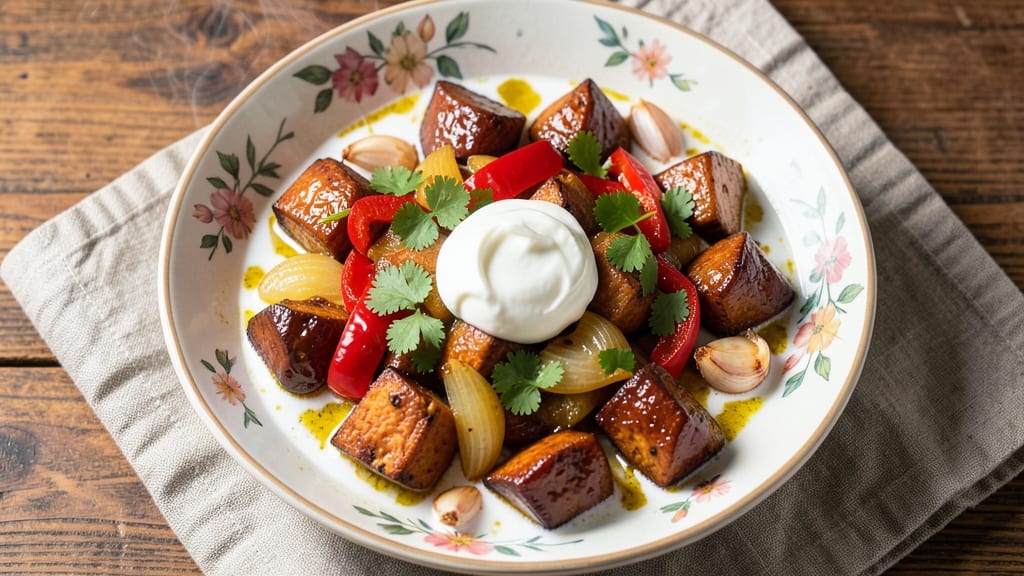
This sweet potato vegetable curry delivers warm, aromatic comfort in a single pan—perfect for weeknight dinners or cozy gatherings. The secret lies in slow-sautéed spices that bloom into a rich, earthy base before tender sweet potatoes and vibrant vegetables melt into a velvety sauce.
I've perfected this technique over years of testing, ensuring every bite balances sweetness, spice, and umami without requiring advanced skills.
What makes this curry special is its versatile nature—it works as a standalone vegetarian main or pairs beautifully with rice. The recipe builds flavor through proper spice tempering (never skip this step!) and a touch of coconut milk for creaminess, while yogurt adds brightness at the end.
With 30 minutes of hands-on time and minimal cleanup, you'll have a restaurant-quality dish that feels like home.
The result is a curry with caramelized sweet potatoes, crisp-tender bell peppers, and onions softened just enough to soak up the aromatic sauce. Garnish with fresh cilantro and a squeeze of lemon for that final pop of freshness.
This is the kind of dish that transforms simple ingredients into something extraordinary—foolproof yet deeply satisfying.
Serve with basmati rice or warm naan to soak up every last drop of that fragrant sauce. The best part? Leftovers taste even better the next day as flavors meld further. Let's create this comforting curry that brings warmth to any table.
Ingredients for sweet potato vegetable curry
These aromatic ingredients transform simple vegetables into a restaurant-worthy curry with just one pan.
| Ingredient | Amount | Notes |
|---|---|---|
| Sweet Potatoes 🍠 | 1 ½ lb | Medium diced, skin on preferred |
| Yellow Onions 🧅 | 1 whole | Thinly sliced for even cooking |
| Red Bell Peppers 🌶️ | 1 whole | Diced, any color works |
| Garlic Cloves 🧄 | 6 cloves | Minced for spice tempering |
| Coconut Milk 🥥 | 1 can | Full-fat, 13.5 oz can |
| Plain Yogurt 🥛 | ½ cup | Unflavored, full-fat preferred |
| Vegetable Oil 🫒 | ¼ cup | High smoke point preferred |
| Ground Cumin 🌿 | 1 tbsp | Toasted for deeper flavor |
| Ground Coriander 🌶️ | 1 tbsp | Freshly ground preferred |
| Turmeric Powder 🌿 | 1 tsp | Bright yellow variety |
| Garam Masala 🌶️ | 1 tsp | Store-bought blend works fine |
| Cayenne Pepper 🔥 | ½ tsp | Adjust for heat preference |
| Salt 🧂 | 1 tsp | Kosher or sea salt |
| Fresh Cilantro 🌿 | ¼ cup | Chopped for garnish |
| Lemon Juice 🍋 | 2 tbsp | Freshly squeezed |
The sweet potatoes are the foundation—look for firm, vibrant orange ones with smooth skin, indicating freshness. Trader Joe's and Whole Foods carry excellent organic varieties, but any medium-sized sweet potatoes work. For the bell peppers, red or yellow add natural sweetness that complements the curry beautifully. Garlic should be plump and firm—avoid any cloves with green shoots or soft spots. The coconut milk is non-negotiable for creaminess; full-fat canned coconut milk provides the richest texture, while the 13.5 oz can yields perfect consistency for this recipe.
No fresh cilantro? Fresh parsley or basil works in a pinch, though cilantro's citrusy note is ideal. Substituting yogurt? Coconut yogurt or sour cream maintains creaminess, though the tang will differ slightly. For a deeper spice profile, toast the whole spices (cumin, coriander) in a dry pan for 30 seconds before grinding. The cayenne can be omitted entirely for a milder version, or red pepper flakes at half the amount provide a smoky alternative. If you're short on time, pre-minced garlic and onion from the freezer section work perfectly—just pat them dry first to prevent excess moisture.
This curry develops even better flavors overnight, so make a double batch if you're feeding a crowd. Store in an airtight container in the fridge for up to 5 days, or freeze portions for 3 months. Reheat gently on the stove with a splash of water to restore creaminess. The spices lose potency after opening, so transfer them to a dark glass jar for long-term storage. For meal prep, portion the curry into individual containers with a side of rice—microwave-safe containers make reheating effortless.
Why You'll Love This Recipe
- One-Pot Magic: I swear by this recipe when I’m too tired to scrub pots. Sweet potatoes and bell peppers soften in the same pan where the onions caramelize—no extra dishes, just one spatula and a satisfied sigh.
- Creamy-Spiced Bliss: That first spoonful of coconut milk swirled into the garlicky base? It’s the kind of flavor that makes you pause mid-bite. The sweetness of the potatoes balances the heat, and the bell peppers add just enough brightness to keep it fresh.
- Lunchbox Hero: Between us, this curry is my secret weapon for meal prep. It reheats beautifully, keeps for days in the fridge, and even freezes like a dream. Pack it in containers for work or school—no sad, soggy lunches here.
- Budget-Friendly Feast: Sweet potatoes and bell peppers stretch this dish into a full meal without breaking the bank. A can of coconut milk and a few spices turn cheap veggies into something hearty enough to feed four for under $10. (Yes, even on a Tuesday night.)
Step-by-step instructions for sweet potato vegetable curry
This method delivers a rich, aromatic curry with tender sweet potatoes and vibrant vegetables in a single pan.
Build the Spice Base
Heat the 0.25 cup vegetable oil in a large, heavy-bottomed pot over medium heat. Add the 1 whole yellow onions, sliced thinly, and cook for 5 minutes until they become translucent and begin to soften at the edges. This creates the flavor foundation.
Add the 6 cloves garlic cloves, minced, and stir for 30 seconds until fragrant. Immediately add the 1 tbsp ground cumin, 1 tbsp ground coriander, 1 tsp turmeric powder, 1 tsp garam masala, 0.5 tsp cayenne pepper, and 1 tsp salt. Stir continuously for 1 minute until the spices release their oils and fill the kitchen with an aromatic cloud. This is where the magic begins—don't rush this step or the flavors won't develop properly.
Sauté the Vegetables
Add the 1 whole red bell peppers, diced, and the 1.5 lb sweet potatoes, cut into medium dice with skin on. Stir to coat the vegetables evenly with the spice mixture. Cook for 5 minutes until the peppers begin to soften and the sweet potatoes develop a slight sheen from the oil.
Real talk: the sweet potatoes should be tender but not falling apart yet. If they're browning too quickly, reduce the heat to medium-low. You want them to caramelize slightly at the edges but remain firm enough to hold their shape during the final cooking.
Simmer in Coconut Milk
Pour in the 1 can coconut milk and stir well to combine. Bring the mixture to a gentle simmer, then reduce heat to low. Cover the pot and let it cook for 15-20 minutes, stirring occasionally, until the sweet potatoes are fork-tender when pierced with a fork. You'll know they're ready when the knife slides in easily with just slight resistance.
During this time, the coconut milk will create a velvety sauce that coats the vegetables perfectly. If the curry looks too thick, add 2-3 tablespoons of water to reach your desired consistency. The curry should be thick enough to coat the back of a spoon but still have a pour-able quality.
Finish with Yogurt and Lemon
Remove the pot from heat and stir in the 0.5 cup plain yogurt until smooth. The yogurt will help balance the richness of the coconut milk and add a subtle tang. Return the pot to low heat and stir in the 2 tbsp lemon juice. This brightens the flavors and cuts through the richness beautifully.
Taste and adjust seasoning if needed. You might need a touch more salt or cayenne to balance the sweetness of the sweet potatoes. The curry should have a complex flavor profile with spicy, sweet, and tangy notes all working together in harmony.
Garnish and Serve
Transfer the curry to serving bowls and let it rest for 5 minutes to allow the flavors to meld further. Garnish with the 0.25 cup fresh cilantro, chopped, and serve immediately with steamed basmati rice or warm naan bread.
Each bite should deliver tender sweet potatoes with vibrant red peppers, aromatic spices, and a creamy coconut-yogurt sauce. The lemon juice adds a refreshing contrast that makes this curry truly special. Enjoy while warm for the best texture and flavor experience.
Pro Tips For Making Sweet Potato Vegetable Curry
- CHAR THE ONIONS FIRST: I learned this the hard way—skipping this step means your curry will taste raw and one-note. Get those onions golden brown (about 8-10 minutes on medium heat) before adding anything else. The deeper caramelization builds flavor that nothing else can replicate, especially when paired with sweet potatoes later.
- CUT SWEET POTATOES EVENLY: Uneven pieces mean some will turn to mush while others stay hard. Cut them into 1-inch cubes and soak in cold water for 10 minutes first—this removes excess starch and keeps them from breaking apart when simmering in coconut milk. (Yes, even if you're impatient like me.)
- LOWER THE HEAT FOR COCONUT MILK: Coconut milk curdles if you boil it like water. Once you add it, drop the heat to medium-low and let it simmer gently—no bubbles should be breaking the surface. Stir occasionally, but don’t overdo it; you’re not making soup here.
- SALSA THE BELL PEPPERS: Instead of chopping red bell peppers into sad little dice, slice them into thin strips first, then cut into 1-inch pieces. This keeps them from turning into a mushy afterthought in your curry. (Pro move: Toss them in a tiny bit of lime juice right before adding to the pot to brighten their flavor.)
Common mistakes when making this dish
Skipping Spice Bloom
This is the biggest mistake I see—rushing the spice tempering step. When you add spices to hot oil, they need at least 1 minute to bloom and release their essential oils. Skipping this creates a flat, one-dimensional flavor.
I’ve seen home cooks add spices right after garlic and wonder why their curry tastes bland. Use a heavy-bottomed pot like All-Clad to prevent burning while the spices toast.
Overcrowding the Pan
Adding all the sweet potatoes and bell peppers at once leads to steaming instead of browning. The goal is to caramelize the edges for depth. I recommend cooking in two batches if needed—first the onions and peppers until softened, then the sweet potatoes.
This ensures proper searing and prevents a watery curry. A 12-inch skillet gives enough space to work without overcrowding.
Ignoring Sweet Potato Texture
Sweet potatoes should be fork-tender but not mushy. Overcooking turns them into a sad, gluey mess. Test with a fork after 15 minutes of simmering—if it slides in easily but still has slight resistance, they’re perfect.
If they’re falling apart, reduce simmering time next batch. I’ve learned this the hard way—once, I ended up with a curry that resembled sweet potato mash! 🥔
Neglecting the Yogurt Step
Adding yogurt at the end balances the curry’s richness and adds brightness. Some cooks skip it or add it too early, which can make the sauce split. Stir in the ½ cup yogurt off the heat, then return to low heat just long enough to warm through—about 1-2 minutes.
This keeps the sauce silky without curdling. Trust me, the tang makes all the difference!
Underestimating Rest Time
Letting the curry rest for 5 minutes before serving allows flavors to meld. Skipping this step means missing out on that restaurant-quality depth. I’ve rushed curries straight to the table only to taste disjointed flavors.
Use this time to garnish with cilantro and squeeze in that lemon juice—it’s worth the wait for a harmonious bite.
Using Low-Quality Coconut Milk
Not all coconut milk is created equal. Light coconut milk or watered-down versions dilute the sauce’s creaminess. Always use full-fat canned coconut milk (like Thai Kitchen or Goya) for the richest texture.
The 13.5 oz can is perfect—it’s neither too thick nor too thin. If you’re out of full-fat, blend ½ cup coconut cream with ½ cup water as a substitute.
Nutrition facts
Frequently asked questions
Can I make this curry without coconut milk?
Yes! For a lighter version, replace the coconut milk with 1 cup vegetable broth and ½ cup tomato sauce. The yogurt addition will still help balance the acidity. For extra richness, use ½ cup cashew cream (blend soaked cashews with water) instead. The texture will be thinner but still flavorful.
How do I adjust the spice level for kids?
Reduce the cayenne to ¼ teaspoon or omit it entirely. For extra mildness, add ½ teaspoon sugar to balance any remaining heat. Kids often love the sweetness of the sweet potatoes, so the natural sweetness of the dish helps mask any spice. Always let them taste first and adjust gradually!
Can I use regular potatoes instead of sweet potatoes?
You can, but the flavor will be completely different! Regular potatoes lack the natural sweetness and vibrant color of sweet potatoes. If you must substitute, use Yukon Gold potatoes (they're creamier) and add 1 teaspoon honey or maple syrup to compensate. The texture will be less tender, so reduce simmering time to 10-12 minutes.
What vegetables work best in this curry? This recipe works beautifully with any firm vegetables that hold their shape. Try adding cauliflower florets (they soak up flavor well) or green beans (add them in the last 5 minutes to prevent mushiness). For extra heartiness, include chickpeas or lentils. Just
How do I reheat leftovers without drying them out?
Add 1-2 tablespoons of water or coconut milk to the curry in a saucepan and heat over low-medium heat until warmed through. Stir frequently to prevent sticking. For microwave reheating, cover with a damp paper towel and heat in 30-second intervals, stirring between each. The yogurt may separate slightly—just stir vigorously to recombine before serving.