
Side Dishes
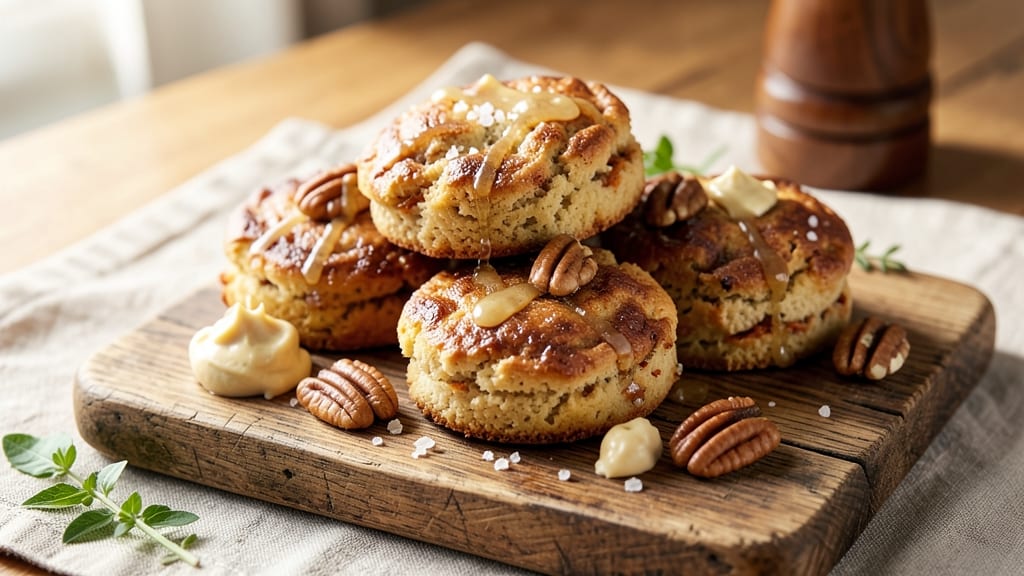
Thomas Jefferson’s sweet potato biscuits recipe brings a taste of early American kitchens to your table—flaky, golden layers infused with warm spices and rich butter. 💛 These biscuits were a staple at Monticello, where Jefferson perfected their harmony of sweet and savory, using locally grown sweet potatoes for depth.
The secret lies in the dough’s texture: tender yet sturdy, with a crumb so light it practically melts in your mouth.
What makes these biscuits special is their balance—sweet potatoes lend natural sweetness, while cinnamon and nutmeg add warmth without overpowering. The dough rests just long enough to develop flavor, then bakes to a perfect golden brown, with edges that crisp slightly while staying soft inside.
Unlike modern quick biscuits, these require patience, but the result is worth every minute of layering and baking.
These biscuits are versatile enough for breakfast or dinner, pairing beautifully with honey, jam, or savory gravies. The historical method—using rendered fat and a touch of sugar—ensures a rich, buttery finish that feels both nostalgic and satisfyingly modern.
Whether you’re recreating a piece of history or simply craving a comforting side, this recipe delivers on tradition and taste.
Ready in about 45 minutes, these biscuits are perfect for weekend baking or holiday gatherings. The dough comes together in minutes, but the resting time allows flavors to meld, creating a biscuit that’s both rustic and refined. Let’s bring Jefferson’s kitchen to life—one flaky layer at a time.
Ingredients for thomas jefferson sweet potato biscuits
Sweet potatoes, warm spices, and rich butter create flaky layers Jefferson perfected at Monticello.
| Ingredient | Amount | Notes |
|---|---|---|
| Sweet Potatoes 🍠 | 2 cups | Cooked and mashed smooth |
| All-Purpose Flour 🌾 | 3 cups | Plus 1 tbsp for dusting |
| Unsalted Butter 🧈 | ¾ cup | Cold and cubed (1.5 sticks) |
| Granulated Sugar 🍚 | ¼ cup | Lightly packed |
| Baking Powder 🧂 | 1 tbsp | Diamond Crystal preferred |
| Ground Cinnamon 🌿 | 1 tsp | Freshly ground for warmth |
| Ground Nutmeg 🌿 | ½ tsp | Freshly grated preferred |
| Sea Salt 🧂 | ½ tsp | Fine grain preferred |
| Heavy Cream 🥛 | ¼ cup | Cold for flakiness |
| Whole Milk 🥛 | ¼ cup | Room temperature |
| Vanilla Extract 🍯 | ½ tsp | Pure vanilla preferred |
The sweet potatoes are the heart of these biscuits—choose vibrant orange ones with no soft spots. Most grocery stores carry them year-round, but local farmers markets in fall often have the freshest. If you can't find them fresh, canned sweet potatoes work in a pinch—just drain and mash them well. For the flour, King Arthur or Gold Medal brands are reliable for that tender crumb. The butter? Plugrá or Land O'Lakes unsalted are my go-tos—they hold their shape when cold for that perfect flaky texture. Jefferson's original recipe likely used lard, but butter gives us modern richness while keeping the rustic charm.
No sweet potatoes? Yams are a decent swap, but they're less sweet and can alter the flavor. Running short on butter? Vegetable shortening at the same amount works for flakiness, though it lacks flavor. Substituting milk? Almond milk or oat milk can work, but the biscuits may be slightly denser. The spices are non-negotiable—pre-ground spices lose potency fast, so if you have whole cinnamon sticks, toast and grind them fresh. For nutmeg, freshly grated from a whole nutmeg makes all the difference. The vanilla extract should be pure—imitation extracts will make these taste artificial. And if you're feeling ambitious, add a pinch of cardamom for an extra layer of warmth Jefferson might have appreciated.
The dough needs to rest—at least 30 minutes in the fridge—so plan ahead. Wrap the dough tightly in plastic wrap and store it for up to 2 days before baking. For best results, bake within 24 hours of mixing. Leftover biscuits? Toast them lightly to revive their texture—great for breakfast the next morning. These freeze beautifully too: wrap individually in parchment, then freeze for up to 3 months. When reheating, warm in a 300°F oven for 5-10 minutes to keep them tender, not crispy.
Why You'll Love This Recipe
- Sweet Potato Magic: I swear, the moment you mash that roasted sweet potato into the dough, the whole kitchen smells like a bakery. That natural sweetness cuts through the floury richness—no artificial flavors needed.
- Four-Ingredient Flex: Between us, I’ve made this with just flour, butter, sugar, and baking powder when I forgot the sweet potato. (Yes, it still works.) The sweet potato adds depth, but the base is so forgiving.
- Breakfast-to-Dessert Star: I keep a batch in the fridge for quick toast toppings in the morning or a last-minute dessert with honey and cinnamon. The sugar in the dough caramelizes just enough to make it irresistible.
- Budget Baking Win: Sweet potatoes are cheap, and you’re using the whole thing—no wasted peel or scraps. A single bag feeds me for days, and the butter-sugar combo stretches further than store-bought biscuits.
Step-by-step instructions for thomas Jefferson's sweet potato biscuits
Here's how to craft these legendary biscuits with perfect flaky layers and aromatic spice.
👨🍳 Step 1: Prepare the Sweet Potato Base
Start by cooking the 2 cups sweet potatoes until tender - either boil, steam, or microwave until fork-tender. Drain thoroughly and mash until completely smooth with no lumps. The texture should be silky and free of any moisture - press it between paper towels if needed to remove excess liquid. This step ensures your biscuits won't be dense or gummy.
While still warm, stir in the 0.25 cup granulated sugar, 0.5 tsp vanilla extract, and 0.5 tsp sea salt. The sugar will caramelize slightly as it cools, adding depth to the spice profile. Let the mixture cool completely before proceeding - room temperature sweet potato prevents steam pockets that can ruin your biscuit layers.
🍳 Step 2: Mix Dry Ingredients and Cut in Cold Butter
In a large bowl, whisk together the 3 cups all-purpose flour, 1 tbsp baking powder, 1 tsp ground cinnamon, and 0.5 tsp ground nutmeg. The spices should be evenly distributed but not overmixed - you'll still see some flour streaks. This dry blend forms the structural backbone of your biscuits.
Add the cooled sweet potato mixture and stir gently until just combined. Then cut in the 0.75 cup cold cubed butter using a pastry cutter or your fingers. Work quickly but thoroughly - you want pea-sized butter pieces distributed throughout. The cold butter creates those signature flaky layers when baked. If the dough seems too dry, add 1-2 tablespoons of the whole milk to help bind it.
🥘 Step 3: Combine Wet Ingredients and Chill the Dough
In a separate small bowl, whisk together the 0.25 cup cold heavy cream and 0.25 cup room temperature whole milk. The temperature contrast helps create a tender crumb. Pour this liquid mixture into the flour-sweet potato blend and stir gently just until combined. Be careful not to overmix - you're looking for a soft, slightly shaggy dough that holds together when pressed.
Turn the dough out onto a lightly floured surface and knead gently just 4-5 times to bring it together. The dough should be soft but not sticky. Divide into two equal portions, flatten into discs, wrap in plastic, and refrigerate for 30-60 minutes. Chilling firms up the butter and makes rolling out easier - this is crucial for those perfect flaky layers.
🔥 Step 4: Roll and Cut for Perfect Biscuits
Preheat your oven to 425°F and line two baking sheets with parchment paper. On a lightly floured surface, roll one disc of dough to about ½-inch thickness. I like to use a rolling pin, but you can also press with your hands for a rustic texture. The dough should be cool to the touch - if it's too warm, it'll spread too much in the oven.
Use a 2-inch biscuit cutter to cut out biscuits, pressing straight down without twisting. For extra flaky layers, gently press the cutter down first, then twist slightly before lifting. Place biscuits 1-inch apart on the prepared baking sheets. Brush the tops with any remaining milk mixture for extra browning and flavor. Bake for 12-15 minutes until golden brown on top and edges.
⏰ Step 5: Test for Doneness and Serve Warm
Biscuits are done when they're golden brown on top and edges, and when you tap the bottom, it sounds hollow. Transfer to a wire rack to cool for 2-3 minutes - they'll firm up slightly as they cool. Serve warm with honey butter or your favorite jam for that perfect Southern breakfast experience.
Here's the thing about these biscuits - they taste best fresh from the oven when the layers are still tender. If you need to reheat, wrap in a clean kitchen towel and warm in a 350°F oven for 5-7 minutes. The warm spice aroma and buttery layers make these biscuits worth every step of the process.
Pro Tips For Making Thomas Jefferson Sweet Potato Biscuits
- Boil Until Fork-Tender: Sweet potatoes should break apart when pierced with a fork—no peeking early. I learned this the hard way when mine came out undercooked and gummy, turning the biscuits into dense, sad bricks instead of fluffy clouds.
- Cool Potatoes Before Mashing: Steam or boil the potatoes until soft, then spread them on a baking sheet to cool for 10 minutes. Mashing hot potatoes releases too much moisture, and your dough will fight you like a stubborn toddler.
- Chill the Dough: Form the dough into a disk, wrap it in plastic, and refrigerate for at least 30 minutes. This cuts the butter’s tendency to ooze out during baking, giving you taller, crispier biscuits instead of flat pancakes.
- Use Cold Butter: Cut the butter into tiny cubes and work it into the flour with your fingers until it resembles coarse crumbs. Cold butter creates pockets of steam, which is what makes these biscuits light—no melting it first.
Storing and reheating this thomas jefferson sweet potato biscuits
Refrigerator Storage
These biscuits stay fresh in the refrigerator for up to 3 days when stored properly. After baking, let them cool completely, then place them in an airtight container lined with parchment paper.
The key is to prevent moisture buildup—stack them with layers of parchment between each to maintain that perfect flaky texture. I like to store them at room temperature for the first day if possible, as they taste best when slightly stale but still warm. 💛
Freezer Preservation
For long-term storage, freeze unbaked biscuit dough or fully baked biscuits. Wrap individual biscuits tightly in plastic wrap, then place them in a freezer bag with all the air squeezed out. They'll keep for up to 3 months without losing quality.
When ready to bake, transfer frozen biscuits directly to a 425°F oven—no thawing needed! The cold dough will create even more dramatic flaky layers as it bakes. For unbaked dough, freeze it as discs and bake straight from frozen, adding 2-3 extra minutes to the baking time.
Reheating Perfection
Reheating is where many biscuits go wrong—too hot and they turn rubbery. My foolproof method? Wrap biscuits in a clean kitchen towel and warm them in a 350°F oven for 5-7 minutes. The towel traps moisture while the oven gently revives the layers.
For a quick fix, use the toaster oven on low heat for 2-3 minutes, but watch closely to avoid over-browning. Never microwave—it makes them gummy and loses that buttery aroma. 🔥
Reviving Stale Biscuits
If your biscuits have lost their flakiness, don’t toss them! Spritz with water and warm in a 375°F oven for 3-5 minutes to restore moisture. For a crispy texture, brush with melted butter and toast in a skillet over medium heat for 1-2 minutes per side.
Jefferson’s original biscuits were often reheated this way—it’s how they kept their rustic charm even days later. A sprinkle of cinnamon sugar while warm makes them taste like fresh-baked treats again.
Make-Ahead Dough
Prepare the dough up to 2 days in advance—this is my favorite time-saver. After chilling, wrap the dough discs tightly and store in the fridge. Bring to room temperature before rolling, or bake straight from cold (add 1 extra minute to baking time).
The flavors deepen overnight as the spices meld with the sweet potato. Pro tip: If the dough feels dry after refrigerating, add 1 tablespoon of milk when rolling to restore elasticity. This method ensures you’re always starting with perfectly rested dough. ⏰
Nutrition facts
Frequently asked questions
Why does Jefferson's recipe use sweet potatoes instead of regular potatoes?
Sweet potatoes were a staple crop in early American gardens, especially in Virginia where Jefferson grew them at Monticello. Their natural sweetness and moist texture create a tender crumb that regular potatoes can't match. The sweetness also balances the warm spices beautifully, giving these biscuits their signature flavor profile.
Can I make these biscuits without a rolling pin?
For rustic texture, press the dough with your hands to about ½-inch thickness. Use a glass or heavy mug as a cutter if you don't have a biscuit cutter. The key is to keep the dough cool—if it gets too warm, it'll spread too much in the oven. Jefferson's original method likely used hands for shaping!
What's the secret to getting those perfect flaky layers?
Cold butter is your best friend! Cutting it into pea-sized pieces that stay cool creates steam pockets when baked. Also, don't overmix the dough—just combine until it holds together. The chilling step (at least 30 minutes) firms up the butter for maximum flakiness. Jefferson's method relied on patience for this exact effect.
How can I tell if my sweet potatoes are sweet enough?
Look for vibrant orange flesh and firm texture (no soft spots). The riper they are, the sweeter they'll taste. If yours are mild, roast them first at 400°F for 20 minutes to intensify their natural sweetness. Canned sweet potatoes work in a pinch, but drain and mash them thoroughly to remove excess moisture.
Can I substitute the heavy cream?
Yes, but texture may change slightly. Use Greek yogurt or sour cream for richness, or evaporated milk for a lighter option. For flakiness, keep the total liquid at ½ cup. Jefferson's original recipe likely used local dairy, so modern substitutions work well if measured carefully.