
Side Dishes
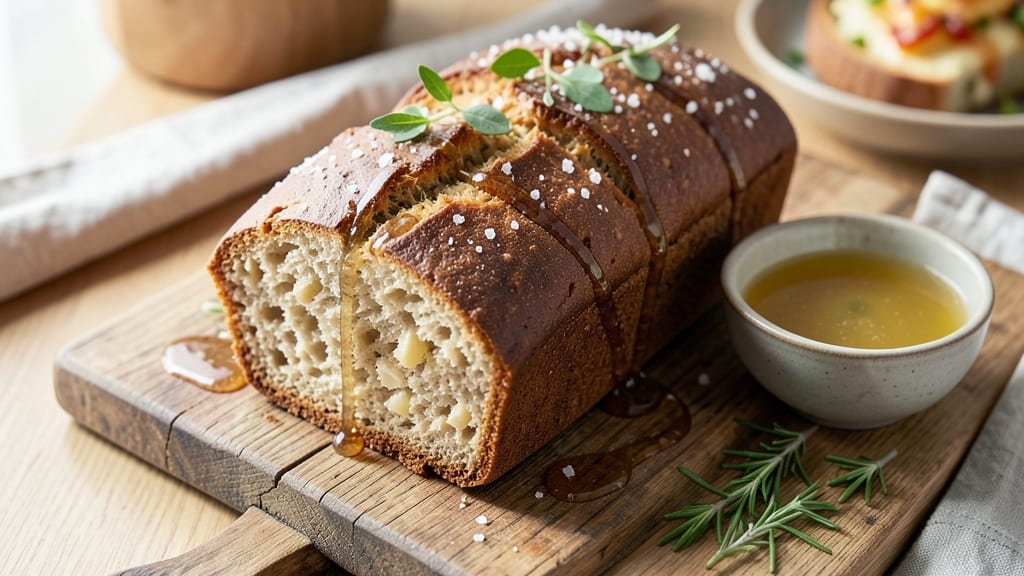
A 2 lb potato bread machine recipe transforms humble potatoes into a fluffy, herby loaf with a golden crust that's perfect for sandwiches or serving alongside soups.
The secret lies in using the right potato variety—Russets or Yukons work best—and blending them into a smooth purée before mixing with warm water and bread machine yeast. This method ensures a tender crumb and rich potato flavor without requiring yeast proofing or hand-kneading.
What makes this recipe stand out is its simplicity: just 15 minutes of prep followed by hands-off baking in your bread machine. The dough cycle develops gluten naturally, while the bake cycle creates that signature crispy crust.
For extra flavor, add fresh herbs like rosemary or thyme directly to the dough—just be sure to measure them carefully to avoid overhydrating the mix.
The result is a 2 lb loaf with a moist, slightly sweet interior and a crackly crust that's ideal for toasting. Unlike dense potato breads, this version stays light and airy thanks to the bread machine's precise kneading and baking control.
It's the kind of bread that disappears quickly, whether you're using it for sandwiches, dipping in olive oil, or serving as a side.
For best results, use your bread machine's basic white bread setting and let the machine handle the timing. If your dough seems too sticky, reduce the water slightly—potatoes vary in moisture content. This recipe delivers restaurant-quality bread with minimal effort, making it perfect for busy weeknights or meal prep.
Ingredients for 2 lb potato bread machine
Transform humble potatoes into a golden, herby loaf with these simple yet powerful ingredients.
| Ingredient | Amount | Notes |
|---|---|---|
| Russet Potatoes 🥔 | 2 lb | Peeled and boiled until tender |
| All-Purpose Flour 🌾 | 3 cups | Unbleached preferred for lighter texture |
| Warm Water 💧 | 1 ¼ cups | 110°F for optimal yeast activation |
| Active Dry Yeast 🍞 | 2 ¼ tsp | Ensure yeast is fresh and active |
| Granulated Sugar 🍚 | 1 tbsp | Feeds yeast for activation |
| Salt 🧂 | 1 ½ tsp | Diamond Crystal preferred |
| Fresh Rosemary 🌿 | 1 tbsp | Finely chopped, or dried thyme |
| Unsalted Butter 🧈 | 2 tbsp | Softened for easy mixing |
| Large Egg 🥚 | 1 whole | Room temperature preferred |
| Olive Oil 🫒 | 1 tbsp | For crust enhancement |
| Sesame Seeds 🌰 | 1 tbsp | Optional for decorative crust |
Russets are the star here—their starchy texture creates that signature fluffy crumb. Grab 2 lbs from the grocery store's baking section, where they're usually pre-bagged for convenience. Yukons work too but yield a slightly denser loaf. Boil the potatoes whole for even cooking, then mash until completely smooth—no lumps! The flour should be unbleached for a lighter texture, and King Arthur or Bob's Red Mill are my go-tos. Fresh yeast is critical; if your packet doesn't foam in warm water with sugar within 5 minutes, toss it. For the herbs, fresh rosemary from the grocery store's produce section has the most vibrant flavor, but dried thyme works in a pinch.
No Russets? Sweet potatoes or Yukons will work but may require adjusting water—start with 1 cup and add more as needed. The butter matters here—unsalted is non-negotiable for flavor control. Short on butter? Olive oil or coconut oil in equal amounts keeps things vegan. Fresh herbs not available? Dried oregano or thyme at half the amount gets you close. The egg adds structure, but if you're avoiding it, 1 tbsp ground flaxseed mixed with 3 tbsp water works as a binder. For extra richness, add 1 tbsp sour cream or Greek yogurt to the dough—trust me on this.
This dough is sticky—don't panic. It's normal! If it seems too wet, add 1 tbsp more flour. The bread machine does all the work, but brush the crust with olive oil and sprinkle sesame seeds right after baking for that golden, crunchy finish. Store wrapped at room temperature for 2-3 days or freeze for up to 3 months. Toasting revives day-old slices beautifully. For meal prep, slice and freeze—just thaw before toasting. The crust gets crispier as it cools, so let it rest 10 minutes before slicing.
Why You'll Love This Recipe
- No-Bake Prep: I swear, the hardest part is peeling those potatoes. Once they’re boiled and mashed, it’s just dumping ingredients into the bread machine—no kneading, no fuss. The machine does all the work while I sip coffee and pretend I’m not actually cooking.
- Potato Magic: That starchy, buttery aroma? Pure comfort. The Russets break down into a tender crumb with just enough chew, and the sugar caramelizes into a subtle sweetness that makes every slice taste like a hug. (Yes, I’ve been known to eat it straight from the pan.)
- Leftovers? More Like Leftovers: This loaf stays fresh for days—perfect for toast, sandwiches, or even French toast. I make two batches on Sundays: one for the week, one for my neighbor who “accidentally” forgets to bring dessert.
- Budget Stretch: A single potato and a bag of flour feed a family of four for multiple meals. The yeast and sugar are cheap staples, and the bread machine means no wasted energy (or my back) from overmixing. Frugal? Absolutely. Worth it? Even more so.
Step-by-step instructions for potato bread machine magic
This herby, fluffy loaf starts with simple prep and ends with a golden crust you'll want to slice into every day.
Cook and Mash the Potatoes
Start by peeling the 2 lb Russet Potatoes and cutting them into 1-inch chunks. Place them in a medium saucepan and cover with cold water. Bring to a boil over medium-high heat, then reduce to medium and simmer for 15-20 minutes until fork-tender. Drain thoroughly in a colander, then return to the pot.
While still warm, mash the potatoes with a potato masher or fork until completely smooth—no lumps! You want a texture like thick mashed potatoes with no resistance. Let them cool to room temperature before using. This step is crucial because cold potatoes will shock the yeast later. I like to spread them on a plate and let them sit while I prepare the yeast mixture.
Activate the Yeast
In the bowl of your bread machine, combine the 3 cups All-Purpose Flour, 2.25 tsp Active Dry Yeast, 1 tbsp Granulated Sugar, and 1.5 tsp Salt. Give it a quick stir with a wooden spoon to distribute everything evenly. The sugar and yeast will start working immediately, so don't wait too long before adding the next ingredients.
Pour in the 1.25 cups Warm Water (it should be 110°F—test by dipping your finger in; it should feel warm but not hot). Let this mixture sit for 5 minutes while you prepare the potato mixture. You'll see it start to bubble and foam slightly—that's the yeast waking up! If it doesn't bubble after 5 minutes, your yeast might be old, and you'll need to start over with fresh yeast.
Mix and Add Potato Base
After the yeast has activated, add the mashed potatoes, 1 whole Large Egg, 2 tbsp Unsalted Butter, 1 tbsp Olive Oil, and 1 tbsp Fresh Rosemary to the bread machine bowl. Use a rubber spatula to mix everything together until fully combined. The dough should be soft and slightly sticky but manageable. If it feels too dry, add 1 tablespoon of warm water at a time until it reaches the right consistency.
This is where the magic happens—the potatoes add moisture and richness while keeping the bread tender. The rosemary will infuse deep, earthy flavor throughout the loaf. Give the bowl one final stir to ensure all the ingredients are evenly distributed before moving to the next step.
Set the Bread Machine
Select the Basic White Bread setting on your bread machine and start the cycle. The machine will knead, rise, and bake the bread automatically. Most machines take about 3 hours to complete the cycle, but check your specific model for exact timing. The bread is done when it's golden brown and sounds hollow when tapped on the bottom.
While it bakes, resist the temptation to open the lid—this can cause the bread to collapse. If you're using the optional 1 tbsp Sesame Seeds, sprinkle them evenly on top of the dough just before the kneading cycle begins. This adds a beautiful crunchy texture to the crust that pairs perfectly with the herby interior.
Cool and Enjoy
Once the bread machine finishes, remove the loaf and place it on a wire rack to cool for at least 15 minutes. This is crucial—cutting it too soon will make it gummy. The crust should be golden brown and crisp, while the interior should be soft and fluffy with pockets of air from the yeast.
Slice into thick pieces and serve warm with butter or your favorite jam. The rosemary and potato combination gives this bread a unique, comforting flavor that's perfect for breakfast or as a side with soups. Store any leftovers in an airtight container for up to 3 days, or freeze for longer storage. Trust me—this loaf disappears fast!
Pro Tips For Making 2 Lb Potato Bread Machine
- BOIL POTATOES UNPEELED: Peeling Russets first is a hassle you don’t need—just scrub them well and boil skins on. The texture stays creamier, and you’ll save 10 minutes of peeling and mess. (Yes, even if you’re skeptical about the skins—trust me, they disappear into the dough.)
- USE 110°F WATER FOR YEAST: Your bread machine might not hit the perfect yeast temperature, so mix the yeast with warm water (110°F) before adding it to the machine. Too hot and it kills the yeast; too cold and it won’t activate. A quick thermometer check guarantees a proper rise—no waiting for hours to see if it works.
- DON’T OVERMIX THE DOUGH: Once the machine starts kneading, resist the urge to peek or stop it early. Let it run the full cycle—usually 3-5 minutes—even if it looks shaggy. Overworking the dough makes potato bread dense. The machine knows best; walk away and let it do its job.
- ADD POTATO WATER GRADUALLY: After the first knead, the dough will look dry. Instead of dumping all the potato water in at once, add it in 2-tablespoon increments through the machine’s liquid port. This keeps the texture moist without turning the dough gummy—no more guessing how much to add.
Creative variations of this dish
Herb Swaps
Fresh rosemary is my go-to, but 1 tbsp fresh thyme or 1 tsp dried oregano works beautifully. For a citrus twist, add 1 tsp lemon zest with the herbs—it brightens the potato flavor. If you love garlic, 2 minced cloves folded into the dough add depth without overpowering. 🌿
Cheesy Variations
Add ½ cup shredded cheddar or ½ cup Gruyère during the final kneading phase for a savory twist. For extra richness, mix in 2 oz cream cheese with the butter.
These cheeses melt into the crumb, creating pockets of gooey goodness. I recommend sharp cheddar from Tillamook for the best flavor.
Sweet Additions
Transform this into a breakfast loaf by adding ½ cup raisins or ½ cup chopped dates to the dough. For a cinnamon swirl, mix 1 tbsp brown sugar and ½ tsp cinnamon with 1 tbsp softened butter, then swirl it into the dough before baking.
The sweetness pairs perfectly with the herby crust.
Gluten-Free Option
Replace the all-purpose flour with 3 cups gluten-free 1:1 baking flour (like Bob's Red Mill) and add 1 tbsp xanthan gum to improve texture. Reduce the water to 1 cup and let the dough rest 10 minutes before baking.
The result is still tender, though slightly denser. This works best in bread machines with gluten-free settings.
Whole Grain Boost
Swap 1 cup of the all-purpose flour for whole wheat flour or spelt flour for added fiber. For a nutty flavor, add ½ cup ground flaxseeds or ½ cup almond flour.
These substitutions add heartiness while keeping the bread light. Just be prepared for a slightly shorter shelf life—these versions stay fresh for 2 days at room temperature.
Crust Enhancements
For a sesame-free crust, try poppy seeds or black sesame seeds for a nutty crunch. A garlic butter glaze (mix 1 tbsp softened butter with ½ tsp minced garlic) brushed on after baking adds extra flavor.
For a sweet finish, sprinkle crushed pine nuts or toasted coconut flakes on top before baking. 🌰
Nutrition facts
Frequently asked questions
Why does my potato bread turn out dense instead of fluffy?
Overmixing the dough or using cold potatoes can prevent proper gluten development and yeast activation. Make sure your mashed potatoes are completely smooth and at room temperature before mixing. Also, avoid handling the dough too much after it goes into the bread machine—let the machine do all the kneading work.
Can I use sweet potatoes instead of Russets?
Yes, but you'll need to adjust the water. Sweet potatoes contain more moisture, so start with 1 cup warm water instead of 1.25 cups and add more as needed. The flavor will be slightly sweeter and more moist, but the texture remains light if you follow the same kneading and baking process.
How do I know when the bread is fully baked?
Your bread is done when it's golden brown and sounds hollow when tapped on the bottom. The internal temperature should reach 190-200°F. If the crust isn't brown enough, you can broil it for 2-3 minutes at the end of the cycle for extra color without overcooking.
What if my bread machine doesn't have a white bread setting?
Use the basic bread or whole wheat setting instead. The kneading time may vary slightly, but the final texture will still be light and fluffy. If your machine has a custom setting, choose 3 hours total time with 2 minutes kneading and 30 minutes rising for best results.
Can I make this recipe without a bread machine?
Yes, but you'll need to knead the dough by hand for 8-10 minutes until smooth, then let it rise for 1-2 hours before shaping and baking at 375°F for 30-35 minutes. The texture will be slightly denser since you can't control the kneading as precisely, but it'll still be delicious with a crispy crust.