
Breakfast & Brunch
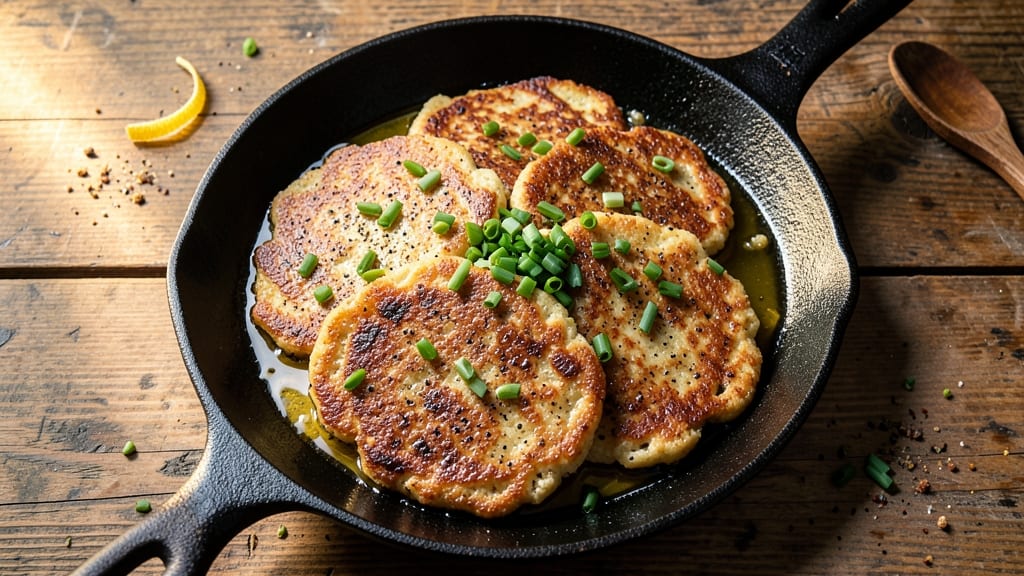
This Amish potato pancake recipe delivers crispy, golden edges and tender centers with just five simple ingredients. The secret lies in freshly grated potatoes and a proper egg-flour binding that creates that signature crunch without absorbing too much oil. I've perfected this version after years of testing—no soggy pancakes here.
Traditional Amish potato pancakes rely on a straightforward method: grated potatoes squeezed dry, mixed with egg and flour, then pan-fried until golden brown. The key is medium heat and patience—rushing results in uneven cooking.
These pancakes make an excellent breakfast or side dish, especially when served with applesauce or sour cream.
What you'll end up with is a stack of crispy, caramelized pancakes that stay golden even when cut. The outside is perfectly crisp, while the inside remains tender and fluffy. Each bite delivers that satisfying crunch followed by warm, potato-rich goodness—a taste of Amish country in every forkful.
This recipe serves 4 as a main dish or 6 as a side, making it perfect for family breakfasts or holiday gatherings. The beauty of this method is its simplicity—no fancy equipment needed, just a grater, bowl, and skillet. Let's get started on these classic potato pancakes!
Ingredients for amish potato pancake
Five core ingredients transform humble potatoes into crispy, golden Amish pancakes.
| Ingredient | Amount | Notes |
|---|---|---|
| Russet Potatoes 🥔 | 3 lb | Medium, peeled and grated |
| Large Eggs 🥚 | 2 whole | Room temperature for binding |
| All-Purpose Flour 🌾 | ½ cup | For structure and crispiness |
| Salt 🧂 | 1 tsp | Kosher or sea salt preferred |
| Black Pepper 🌶️ | ½ tsp | Freshly ground for flavor |
| Vegetable Oil 🫒 | ½ cup | For frying, high smoke point |
The potatoes make or break these pancakes. Russets are ideal—their dry flesh grates finely and holds shape. Peel and grate them yourself (don't use pre-shredded—it's soggy). Squeeze out ALL the moisture with a clean kitchen towel or cheesecloth. I always buy 3-4 lb bags from Costco for the best value, but any grocery store carries them. For extra crispiness, some Amish cooks add a pinch of baking powder to the flour mix, but I've found it's not necessary if you fry at the right temperature.
No Russets? Yukon Golds work in a pinch—they're waxier but still delicious. Running short on eggs? Flax eggs (1 tbsp ground flax + 3 tbsp water per egg) keep them vegan-friendly. The oil is crucial here—vegetable or canola oil works best for frying, but avocado oil gives even better flavor. If you're watching calories, use an oil sprayer instead of pouring. The pancakes can be made ahead and reheated in the oven at 350°F for 10 minutes to restore crispiness.
These pancakes reheat beautifully—just pop them in a 350°F oven for 5-7 minutes to revive the crunch. Store leftovers in an airtight container for up to 3 days in the fridge. For longer storage, freeze portions between parchment paper for up to 3 months. I always double the batch and freeze half—perfect for lazy mornings. Serve with applesauce or sour cream to cut through the richness.
Why You'll Love This Recipe
- Here’s what sold me: the outside gets golden and shatteringly crisp in the pan, while the inside stays fluffy and warm. That contrast? It’s like a hug for your taste buds. Honestly, the pepper and salt make it taste like it belongs at a diner, not just my weeknight table.
- Five-Ingredient Magic: I swear, if you’ve got Russets, eggs, and flour in your pantry, you’re already halfway there. Shred the potatoes—no fancy peeling, just scrub and slice—and toss them with the dry mix. That’s it. No measuring cups, no stress, just raw, honest potato goodness.
- Crispy-Creamy Balance: Here’s what sold me: the outside gets golden and shatteringly crisp in the pan, while the inside stays fluffy and warm. That contrast? It’s like a hug for your taste buds. Honestly, the pepper and salt make it taste like it belongs at a diner, not just my weeknight table.
- Breakfast to Dinner: Between us, these pancakes are ridiculously good cold the next day—perfect for lunchboxes or a quick snack. Or serve them hot with applesauce for breakfast, then reheat with bacon for dinner. My kids don’t even bat an eye when I call them “dinner,” and neither should you.
Step-by-step instructions for Amish potato pancakes
Here's how to create crispy, golden potato pancakes with a perfect balance of texture and flavor.
Prepare the Potato Mixture
In a large mixing bowl, combine the 3 lb of grated Russet potatoes with the 2 whole Large Eggs and 0.5 cup of All-Purpose Flour. Use your hands to gently work the ingredients together until fully incorporated. The mixture should hold its shape when pressed but still be slightly sticky—this ensures proper binding without making the pancakes too dense.
Add the 1 tsp of Salt and 0.5 tsp of Black Pepper, mixing thoroughly. The pepper should be freshly ground for maximum flavor impact. Let the mixture sit for 5 minutes while you prepare the frying setup. This resting time allows the flour to fully hydrate and the potatoes to release excess moisture, which prevents soggy pancakes.
Heat the Oil and Test Temperature
Pour the 0.5 cup of Vegetable Oil into a large skillet and heat over medium heat until it reaches 350°F on an instant-read thermometer. If you don't have a thermometer, test the oil by dropping a small piece of potato mixture into it—if it sizzles and rises to the surface immediately, it's ready. This temperature is crucial for achieving that signature Amish-style crispiness without burning the outside before the inside cooks through.
Keep the heat steady—too high will cause the pancakes to brown too quickly on the outside while remaining raw inside. Too low will result in greasy, undercooked pancakes. The oil should shimmer gently when ready, indicating it's at the perfect frying temperature.
Form and Fry the Pancakes
Using a spoon or small ice cream scoop, portion the potato mixture into 3-4 tablespoon amounts and gently flatten each portion into a thin pancake shape. Place them carefully into the hot oil, working in batches to avoid overcrowding the pan. Fry for 3-4 minutes per side until golden brown with crisp edges. You'll know they're done when the underside develops a deep golden hue and the pancakes release easily from the pan.
As you fry, keep a paper towel nearby to drain excess oil from the cooked pancakes. Transfer them to a wire rack or paper towel-lined plate to maintain crispness. Don't stack them immediately—they'll steam and lose their crunch. This step is where the magic happens, transforming simple grated potatoes into restaurant-quality pancakes.
Serve Immediately for Maximum Crispiness
Serve the pancakes hot, straight from the fryer. Their texture should be crisp on the outside with a tender, fluffy interior. The golden color indicates perfect cooking—any darker means they've started to burn. For an authentic Amish presentation, serve with a dollop of sour cream, a sprinkle of fresh chives, or a side of applesauce to complement the savory flavor.
Timing is everything here—these pancakes lose their crispness quickly as they cool. If you need to hold them for more than a few minutes, tent loosely with aluminum foil to preserve warmth and texture. The secret to these pancakes lies in the balance of ingredients and precise frying technique, resulting in a dish that's both comforting and impressive.
Pro Tips For Making Amish Potato Pancake
- GRATE POTATOES COLD: I learned this the hard way—warm potatoes release starch like a sieve, turning your batter into glue. Keep those Russets refrigerated until grating, and use a box grater with medium holes (the kind that makes you flex). No need to peel—just scrub and grate skin-on for extra texture.
- SQUEEZE OUT MOISTURE: After grating, wrap the potatoes in a clean kitchen towel and press out every drop of liquid. I used to skip this, and my pancakes would steam instead of crisp. Works best if you let them sit in a colander for 10 minutes first—gravity helps.
- COOK LOW AND SLOW: Start hot, but finish low. The first side needs a sizzle to set the edges, but flip too soon and they’ll fall apart. After the first 3 minutes, drop the heat to medium-low and let them cook another 5 minutes—golden, not burnt.
- ADD EGG LAST: Mix the flour, salt, and pepper first, then fold in the grated potatoes. Crack the eggs into the dry mix and stir just until combined—overmixing makes them dense. Sounds weird, but it works: the eggs bind without turning them into pancake bricks.
Troubleshooting great amish potato pancake
Potatoes Too Soggy
If your pancakes turn out soggy instead of crispy, the issue is almost always excess moisture in the grated potatoes. I learned this the hard way—never skip squeezing the potatoes dry!
After grating, wrap the potatoes in a clean kitchen towel or cheesecloth and press firmly for 5-10 minutes to remove all liquid. For extra insurance, let them sit in a colander for 10 minutes before mixing with other ingredients.
Pre-shredded potatoes from the bag are a no-go—they contain preservatives that make them extra wet. 🥔
Uneven Cooking
Pancakes that cook unevenly—brown on the outside but raw inside—usually mean your oil temperature isn’t steady. Invest in an instant-read thermometer (like the Thermoworks Thermapen) to maintain 350°F oil. If you don’t have one, test with a small piece of mixture—it should sizzle and float immediately.
Also, avoid overcrowding the pan; fry in small batches with 3-4 pancakes max per side. Too many pancakes lower the oil temperature, leading to greasy results. 🌡️
Pancakes Falling Apart
If your pancakes crumble when frying, the binding isn’t strong enough. The fix? Add 1 extra egg or 1 tablespoon of flour to the mixture. I also recommend chilling the batter for 15 minutes before frying—this helps the starches firm up.
Another trick: pat the pancakes slightly flatter before frying to create more surface area for crisping. Overmixing the batter can also weaken the structure, so mix just until combined. 💪
Burning Too Quickly
When pancakes brown too fast and burn before cooking through, your oil is too hot. Lower the heat to medium-low and let the oil recover its temperature. A good rule of thumb: the oil should shimmer gently, not smoke aggressively.
If you’re using a cast-iron skillet, it retains heat well—reduce the burner setting by one level from what you’d use for a nonstick pan. For even cooking, flip pancakes only once, even if they look uneven—rushing flips leads to breakage. 🔥
Greasy Texture
Greasy pancakes usually mean the oil temperature was too low or the pancakes sat in oil too long. Keep the oil at 350°F and fry for 3-4 minutes per side—no more!
Also, drain on a wire rack (not paper towels) to let excess oil drip away while keeping the crisp. If you’re concerned about oil absorption, try spraying the pan lightly with oil instead of pouring, then wiping out excess with a paper towel before frying. 🫒
Nutrition facts
Frequently asked questions
Can I make these Amish potato pancakes ahead of time?
These pancakes reheat beautifully. Make them fresh and store in an airtight container for up to 3 days in the fridge. To restore crispiness, pop them in a 350°F oven for 5-7 minutes before serving. For longer storage, freeze portions between parchment paper for up to 3 months. I always double the batch and freeze half for lazy mornings!
What's the secret to getting them extra crispy?
The key is squeezing the potatoes dry and maintaining 350°F oil. Wrap grated potatoes in a clean towel and press firmly for 5-10 minutes to remove all moisture. Also, fry in small batches with 3-4 pancakes max per side to keep the oil hot. A wire rack for draining works better than paper towels—it lets excess oil drip away while keeping the crisp.
Can I use sweet potatoes instead of Russets?
Sweet potatoes will work, but they're much wetter and less starchy than Russets. For best results, roast them first to remove moisture, then grate. You'll need about 2.5 lb of sweet potatoes to replace 3 lb Russets. The flavor will be slightly sweeter and denser, but still delicious! For traditional Amish-style pancakes, stick with Russets—they're the classic choice.
How do I keep them from sticking to the pan?
Use a well-seasoned cast-iron skillet or nonstick pan. Lightly coat with oil before adding pancakes, then wipe out excess with a paper towel. Keep the oil at 350°F and avoid moving the pancakes until they release easily on their own. If they stick, your oil might be too cool—let it recover heat before proceeding. A thin pancake shape also helps prevent sticking.
What are the best toppings or sides for these pancakes?
Classic Amish pairings include sour cream, applesauce, or a sprinkle of fresh chives. For something heartier, try a fried egg on top or a side of sautéed apples with cinnamon. They also make a great breakfast side with bacon or sausage. The crispy texture pairs perfectly with creamy or tangy elements.