
Side Dishes
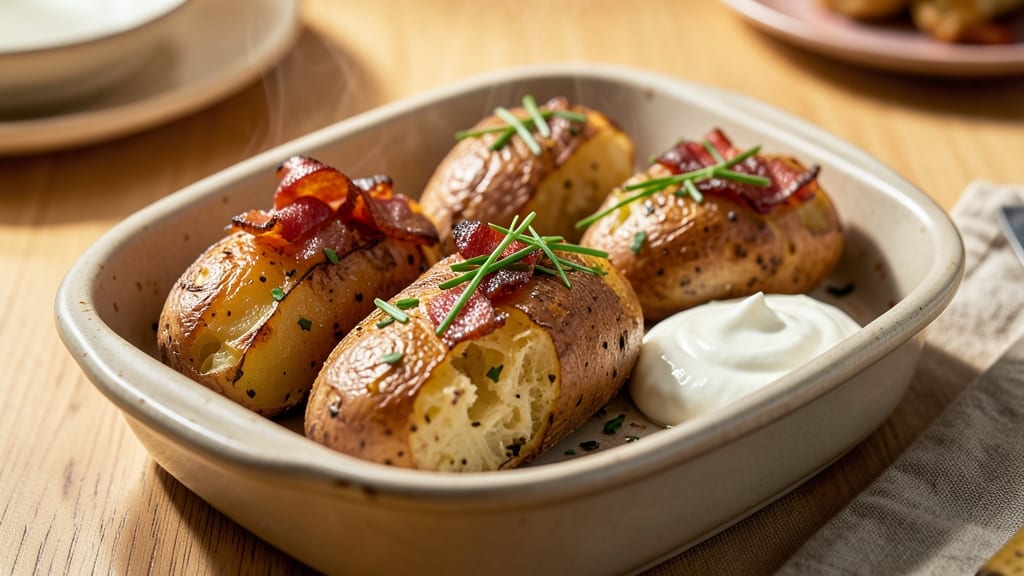
Mastering a baked potato recipe at 350°F transforms simple russets into golden, crisp-skinned perfection with fluffy interiors—no guesswork required. The secret lies in proper preparation: scrubbing, piercing, and seasoning before baking creates that ideal texture contrast.
This method ensures restaurant-quality results every time, whether you're serving a crowd or treating yourself to a cozy meal.
Start with medium russet potatoes—smaller ones bake faster, while larger ones develop that coveted crispy skin without drying out. A simple salt rub before baking enhances natural flavors, and the 350°F temperature guarantees even cooking without burning.
With just 45-60 minutes in the oven, you'll have potatoes that are tender inside and irresistibly crispy outside.
Once baked, the possibilities are endless: melt butter inside, top with sour cream and chives, or load up with bacon and cheese for a hearty meal. The fluffy interior soaks up toppings perfectly, making this a versatile side dish that pairs with everything from steak to salads.
This recipe delivers foolproof results that impress even the pickiest eaters.
For dietary adaptations, simply swap butter for olive oil or use dairy-free sour cream. The method remains the same—just adjust toppings to fit your preferences. Whether you're baking for a family dinner or meal prepping, this recipe ensures crispy skin and fluffy centers every single time.
Ingredients for baked potato recipe 350
Four russets and a handful of essentials transform into restaurant-quality baked potatoes at 350°F.
| Ingredient | Amount | Notes |
|---|---|---|
| Medium Russet Potatoes 🥔 | 4 whole | Organic preferred, uniform size |
| Diamond Crystal Kosher Salt 🧂 | 1 tsp | Coarse grain for exterior seasoning |
| Unsalted Butter 🧈 | ½ cup | Cold, cut into 8 equal pieces |
| Fresh Chives 🌿 | ¼ cup | Finely chopped for garnish |
| Sour Cream 🥛 | ½ cup | Full-fat for optimal texture |
| Crispy Bacon 🥓 | 4 oz | Chopped, optional topping |
| Shredded Cheddar Cheese 🧀 | ½ cup | Sharp cheddar preferred |
| Olive Oil 🫒 | 1 tbsp | For brushing skin (vegan option) |
| Garlic Powder 🧄 | ½ tsp | Enhances flavor during baking |
| Ground Black Pepper 🌶️ | ¼ tsp | Freshly ground for brightness |
| Aluminum Foil 📄 | 1 sheet | For tenting during baking |
Russet potatoes are non-negotiable here—their high starch content delivers that signature fluffy interior. Whole Foods or any quality grocery store carries them year-round, but if you can find organic, go for it—they hold up better during baking. The key is uniform size: aim for 12-16 ounces each, as these bake perfectly in 45-60 minutes. For the crispy skin, olive oil brushed on the exterior creates a golden crust that's impossible to resist. The salt should be coarse—Diamond Crystal is my go-to, but any kosher salt works if you don't have it. Pro tip: scrub the potatoes first to remove dirt, then pat them completely dry before seasoning.
No butter? Olive oil or vegan butter works beautifully for the interior melt. Swapping sour cream for dairy-free alternatives like coconut yogurt keeps this vegetarian. The bacon topping can be omitted entirely for a plant-based version, or use smoked paprika and liquid smoke for a meaty flavor without the meat. For extra crispiness, bake on the middle rack and avoid overcrowding the pan. If you're prepping ahead, par-cook the potatoes for 20 minutes before finishing in the oven later—they'll stay warm and fluffy.
Freshly baked potatoes reheat poorly, so plan to serve immediately. If you must reheat, wrap them in foil and warm at 300°F for 15 minutes. Store any leftover toppings separately in airtight containers—they'll stay fresh for 3-4 days in the fridge. The butter pieces should be cold when you add them to the potatoes; if they're too soft, chill them for 10 minutes first. For meal prep, bake a batch and store the potatoes wrapped in foil at room temperature for up to 24 hours, then reheat briefly before adding toppings.
Why You'll Love This Recipe
- No-Fuss Prep: I swear by this—just scrub, poke, and bake. No peeling, no fuss, and those Russets? They’re foolproof at 350°F. The oven does all the work while I’m making a salad or setting the table.
- Buttery Crisp Magic: That crispy skin with a fluffy inside? The secret’s in the salt and butter—just a few minutes under the broiler at the end. Honestly, the first bite makes me pause mid-conversation.
- Weeknight Crowd-Pleaser: Serve them plain for picky eaters or load ‘em up with sour cream and chives for the rest of the family. It’s my go-to when friends drop by unexpectedly—zero stress, all satisfaction.
- Budget Stretch: A single bag of Russets lasts me ages, and the rest of the ingredients? Basic pantry staples. Between us, this is how I feed my family for under $2 a serving without sacrificing flavor. (Yes, even on a Tuesday night.)
Step-by-step instructions for baked potatoes with crispy skin
Master the art of baking russets with perfectly fluffy centers and irresistibly crisp exteriors.
Prep and Season the Potatoes
First, scrub the 4 whole medium russet potatoes thoroughly under cold water to remove any dirt or debris. I use a vegetable brush for this—it gets into those crevices better than just rinsing. Pat them completely dry with paper towels, then pierce each potato 3-4 times with a fork. This prevents them from exploding in the oven.
Next, place the potatoes in a large bowl and toss them gently with the 1 tablespoon olive oil until evenly coated. This creates a barrier that promotes crispiness rather than letting the skin absorb moisture. Then sprinkle with the 1 teaspoon diamond crystal kosher salt, ½ teaspoon garlic powder, and ¼ teaspoon ground black pepper. Toss again until the seasoning adheres evenly to every surface. The key here is to work quickly so the potatoes don't start absorbing moisture from the air.
Bake Until Tender and Crisp
Preheat your oven to 350°F—this lower temperature ensures even cooking without burning the exterior before the interior becomes tender. Place the seasoned potatoes directly on the middle oven rack, spacing them evenly. They should have plenty of room to breathe for proper air circulation.
Bake for 60-75 minutes, depending on your oven, until you can easily pierce the potatoes with a fork and the skin is deeply golden brown with crispy texture. I test doneness by inserting a fork—it should slide in with minimal resistance, and the potato should feel tender all the way through. If the skin isn't crisp enough after this time, increase the oven temperature to 400°F for the final 10-15 minutes to crisp it up without overcooking the interior.
Create the Perfect Toppings Assembly
While the potatoes bake, prepare your toppings by melting the ½ cup unsalted butter in a small saucepan over low heat until just melted but not browned. Remove from heat and let it cool slightly. In a separate bowl, combine the ½ cup sour cream and ½ cup shredded cheddar cheese, mixing until smooth. This creates a creamy, cheesy base that will bind beautifully with the crispy bacon.
Chop the 4 ounces crispy bacon into small pieces and set aside. Finely chop the ¼ cup fresh chives and keep them separate for garnishing. The bacon adds a smoky depth that complements the creamy cheese mixture perfectly. Keep all toppings at room temperature for easier spreading.
Top and Serve with Crispy Perfection
Carefully transfer the baked potatoes to a serving platter. Using a sharp knife, slice each potato open lengthwise—this creates a clean presentation while keeping the fluffy interior intact. Gently press down on the potato flesh with a spoon to create a well for the toppings.
Spread an even layer of the melted butter mixture over each potato half, then add the bacon pieces and cheese-sour cream mixture. The butter creates a rich base that prevents the toppings from sliding off. Top each serving with a sprinkle of chopped chives for freshness and color. Serve immediately while the potatoes are still piping hot and the skin remains crispy—this is when they're at their absolute best.
Pro Tips For Making Baked Potato Recipe 350
- PIERCE THE SKIN FIRST: I learned this the hard way—skipping the fork stabbing means uneven cooking and a fight to get the potato to soften. Poke each potato 3-4 times with a fork before baking at 350°F, especially if they’re thick. This lets steam escape and guarantees a fluffy interior, not a dense one.
- SALT THE POTATOES BEFORE BAKING: More salt than you think, especially if using Diamond Crystal (it’s less salty than table salt). Sprinkle ½ teaspoon of kosher salt into each stab hole before baking—this seasons the flesh deeply and cuts through the richness of the butter later. (Yes, even if you’re impatient like me.)
- DON’T OVERBAKE FOR CRUST: The recipe calls for 350°F, but I’ve ruined more potatoes by walking away and letting them dry out. Pull them when a fork slides in easily—usually 60-75 minutes, depending on size. If the skin cracks, it’s done; if it’s still firm, give it 10 more minutes. A crispy exterior is nice, but a gummy center is a crime.
- UPGRADE THE BUTTER SLATHER: Unsalted butter is your friend here, but don’t just melt it and drizzle. Warm it slightly (just until it softens, not melts) and slather it on hot potatoes with a spoon—press it into the crevices. The residual heat helps it distribute evenly, and the texture becomes silky instead of greasy. (Your future self will thank you.)
Common mistakes when making perfect results
Skipping the Piercing
Piercing your potatoes with a fork is a game-changer—skipping this step can lead to explosive surprises in the oven. The steam builds up inside unpierced potatoes, causing them to burst dramatically. I’ve seen it happen more times than I’d like to admit!
Use a fork to make 3-4 small holes in each potato before baking to release excess moisture and prevent this mess. 💥
Uneven Seasoning
Tossing the potatoes with oil and seasoning might seem simple, but uneven distribution leads to bland or overly salty spots. I recommend placing them in a large bowl and gently shaking it to ensure every crevice gets coated.
Pay extra attention to the eyes (buds) on the potatoes—they tend to collect excess salt. For best results, use Diamond Crystal kosher salt—its coarse texture clings better than fine table salt.
Overcrowding the Pan
Stuffing too many potatoes onto a single baking sheet creates steam, which softens the skin instead of crisping it. Leave at least 2 inches of space between each potato for proper air circulation. If you’re baking more than four at once, use two sheets or bake in batches.
I’ve learned this the hard way—once, I ended up with soggy potatoes instead of crispy ones because I was impatient and overloaded the pan. 🥔
Baking at Wrong Temperature
The 350°F setting is ideal, but many ovens run hot or cold. If your potatoes aren’t crispy enough after 60-75 minutes, increase the heat to 400°F for the last 10-15 minutes. Conversely, if the skin burns before the inside cooks, reduce the temperature to 325°F and bake longer.
Always use an oven thermometer to confirm accuracy—mine reads 25°F higher than the dial, so I adjust accordingly.
Not Testing Doneness Properly
Relying on time alone is risky—potatoes vary in size and moisture content. Instead, insert a fork: it should slide in easily with minimal resistance. If it feels firm, bake for another 10-15 minutes.
Overcooked potatoes turn gummy, while undercooked ones are dense and unappetizing. Pro tip: Squeeze gently—the flesh should yield like a cloud, not a rock. 🧂
Adding Toppings Too Early
Toppings like butter and sour cream should go on right before serving—they make potatoes soggy if added while hot. Let the potatoes rest for 2-3 minutes after baking to redistribute juices, then top immediately.
For meal prep, store toppings separately and assemble just before eating. I once ruined a batch by adding butter too soon, and the once-crispy skin turned mushy. Trust me, timing matters! 🧈
Nutrition facts
Frequently asked questions
Why do my baked potatoes turn out gummy instead of fluffy?
Overcooking is the usual culprit! Bake until a fork slides in easily (about 45-60 minutes at 350°F), then remove immediately. If they sit too long, the starch converts to sugar, creating that gummy texture. For extra fluffiness, pierce them before baking and avoid overcrowding the pan.
Can I bake potatoes at 350°F without foil?
The foil traps steam, which can soften the skin. For crispier results, bake them uncovered on the middle rack. If you prefer foil, tent them loosely after 30 minutes to finish cooking without losing crispiness. The uncovered method gives that perfect golden crust we all love.
What's the best way to reheat leftover baked potatoes?
Wrap them in foil and warm at 300°F for 15 minutes—this preserves moisture without drying out the skin. For extra crispiness, broil for 2-3 minutes at the end. Never microwave them (they turn soggy), and always add toppings fresh after reheating to keep them creamy.
Are there good alternatives to russet potatoes?
Yukon Golds work beautifully—they're creamier inside but still crisp up nicely. For a lower-carb option, try purple potatoes (they hold up well and add color). Avoid red potatoes—they're too waxy for this method and won't give that fluffy texture. The key is starchy varieties!
How do I make these potatoes ahead for a dinner party?
Bake them 1 hour ahead and store wrapped in foil at room temperature. Reheat briefly at 350°F for 10 minutes before serving. Keep toppings separate until the last minute—this ensures crispy skin and creamy toppings. For a crowd, double the recipe and bake in batches to maintain even cooking.