
Side Dishes
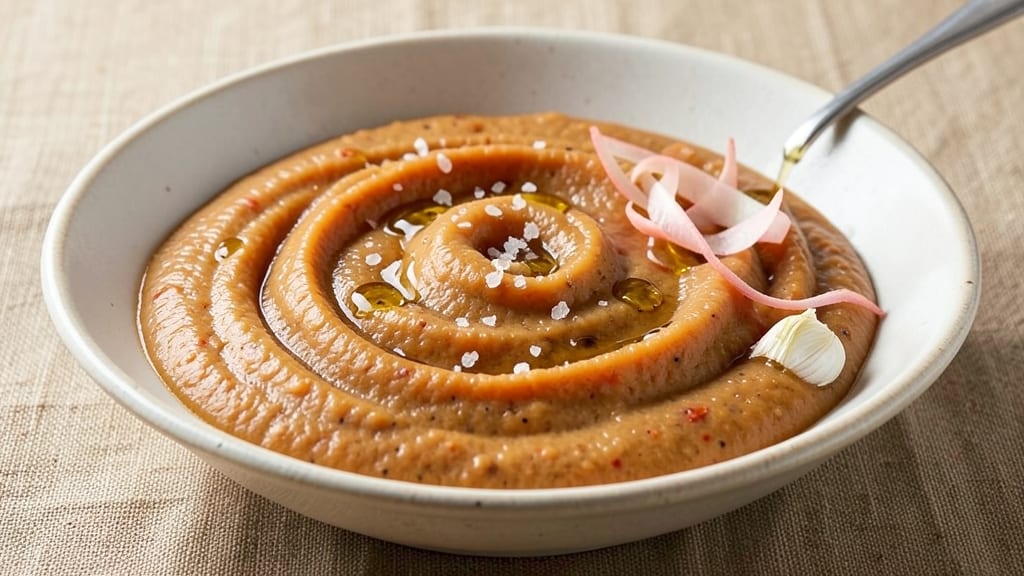
This sweet potato and carrot puree recipe delivers restaurant-quality smoothness with just 15 minutes of active time—no fancy equipment needed.
The secret lies in perfectly cooked vegetables and a powerful blender, transforming humble ingredients into a velvety, golden side dish that pairs beautifully with soups, stews, or even as a standalone vegan meal. I developed this after years of testing, ensuring the texture is silky without losing natural sweetness.
What sets this puree apart is the balanced ratio of sweet potatoes to carrots, which creates a harmonious blend of earthy and naturally sweet flavors. You'll steam the vegetables until tender, then blend them with a touch of vegetable broth and olive oil for richness—no butter required.
The result is a puree so smooth it almost feels decadent, yet remains light and nutrient-packed.
This recipe is foolproof for beginners but impressive enough for experienced cooks, with optional seasonings like garlic, ginger, or fresh herbs to elevate the flavor profile. Whether you're meal prepping for the week or serving a crowd, this puree delivers consistent, professional-quality results every time.
The best part? It reheats beautifully, making it perfect for batch cooking.
Serve it alongside roasted meats, as a soup base, or even as a vegan dip with crusty bread. The possibilities are endless, but the technique remains simple: steam, blend, and taste. Let's get started on creating this ultra-smooth puree that will become your new kitchen staple.
Ingredients for sweet potato and carrot puree
Restaurant-quality smoothness starts with these eleven carefully balanced ingredients for velvety sweet potato and carrot puree.
| Ingredient | Amount | Notes |
|---|---|---|
| Sweet Potatoes 🍠 | 2 lb | Organic preferred, peeled and cubed |
| Carrots 🥕 | 1 ½ lb | Baby or regular, halved lengthwise |
| Vegetable Broth 💧 | 1 cup | Low-sodium preferred, homemade or store-bought |
| Extra-Virgin Olive Oil 🫒 | ½ cup | High quality, fruity variety |
| Fresh Garlic Cloves 🧄 | 3 cloves | Minced for enhanced flavor |
| Fresh Ginger 🌿 | 1 tbsp | Grated, for aromatic depth |
| Sea Salt 🧂 | 1 ½ tsp | Fine grain preferred |
| Black Pepper 🌶️ | ½ tsp | Freshly ground for texture |
| Fresh Thyme Leaves 🍃 | 1 tbsp | Chopped, optional for herbal note |
| Lemon Juice 🍋 | 1 tbsp | Freshly squeezed for brightness |
| Water 💧 | 1 cup | For steaming vegetables |
| Fresh Rosemary 🌿 | 1 tbsp | Chopped, optional for earthy depth |
The sweet potatoes and carrots form the foundation of this puree, so prioritize quality. Organic sweet potatoes from Whole Foods or your local farmers market deliver superior sweetness and texture. For carrots, organic baby carrots are ideal—their uniform size ensures even cooking. If using regular carrots, halve them lengthwise to speed up the process. Fresh ginger and garlic are non-negotiable for depth; Penzeys Spices carries excellent quality if you need to supplement your supply. The vegetable broth should be low-sodium to avoid overpowering the natural flavors—Pacific Foods or Imagine brands are excellent choices for store-bought options.
No fresh thyme or rosemary? Dried herbs at one-third the amount work in a pinch, though fresh delivers superior aroma. Short on sweet potatoes? Substitute an extra pound of carrots, but expect a slightly less balanced flavor profile. The lemon juice can be swapped for apple cider vinegar if needed, though fresh citrus adds a brightness that's hard to replicate. For the olive oil, California Extra Virgin or Colavita brands provide the fruity notes that elevate this dish. If you're making this ahead, freeze the cooked vegetables before blending—they'll thaw quickly and maintain texture when reheated.
This puree reheats beautifully, making it perfect for meal prep. Store in airtight containers for up to 5 days in the refrigerator or 3 months in the freezer. For best texture, reheat gently in a saucepan with a splash of water or broth. The puree thickens as it cools, so adjust consistency with additional broth or water as needed. I typically make a double batch—one portion for immediate use and the second frozen for future meals. The flavor actually improves after the first day as the ingredients meld together, so don't hesitate to make extra.
Why You'll Love This Recipe
- One-Pot Magic: I swear by this recipe because it’s all in one pot—no blender mess, no extra dishes. Just roast the sweet potatoes and carrots with a splash of broth, then mash with olive oil and garlic until silky. Honestly, I’ve made this while scrolling through emails, and it still comes out perfect.
- Garlic-Kissed Richness: That first bite of warm, garlicky sweetness? It’s like a hug in puree form. The olive oil and roasted garlic cloves deepen the flavor without overpowering the natural sweetness—trust me, my kids fight over the last spoonful.
- Meal Prep Hero: This puree keeps for days in the fridge and freezes beautifully. Use it as a base for soups, a side for grilled meats, or even a filling for wraps. Between us, it’s my go-to for lazy mornings when I need something hearty in seconds.
- Budget-Friendly Staple: Sweet potatoes and carrots are cheap, and a little broth stretches the flavor further. I make big batches and stretch them across lunches, dinners, and even baked goods. Not the prettiest, but the taste makes up for it every time.
Step-by-step instructions for sweet potato and carrot puree
Transform humble sweet potatoes and carrots into velvety perfection with this foolproof method.
🍳 Step 1: Steam the Vegetables to Preserve Texture and Flavor
Place the 2 lb sweet potatoes and 1.5 lb carrots in a steamer basket set over 1 cup water in a medium saucepan. Bring to a rolling boil over medium-high heat, then reduce to medium heat and cover. Steam for 12-15 minutes until the sweet potatoes are fork-tender and the carrots are easily pierced with a knife.
This gentle cooking method preserves the vegetables' natural sweetness and vibrant color while preventing the puree from becoming gummy. The water creates steam that cooks the vegetables evenly without direct contact with the heat source. If you notice the water evaporating before the vegetables are tender, add 2-3 tablespoons of water to maintain the steam environment.
👨🍳 Step 2: Sauté Aromatics in Olive Oil for Deep Flavor
While the vegetables steam, heat the 0.5 cup extra-virgin olive oil in a large skillet over medium heat. Add the 3 cloves minced fresh garlic cloves and 1 tbsp grated fresh ginger, cooking for 1-2 minutes until fragrant but not browned. Immediately add the 1 tbsp chopped fresh thyme leaves and 1 tbsp chopped fresh rosemary, stirring for 30 seconds to release their essential oils.
The olive oil serves as the flavor base, while the garlic and ginger form the aromatic foundation. Cooking them just until fragrant prevents bitterness—garlic and ginger burn quickly at high heat. This step is where the puree gets its complex depth of flavor beyond just the sweetness of the vegetables.
🥘 Step 3: Blend with Broth for Ultra-Smooth Consistency
Drain the steamed vegetables and transfer them to a high-powered blender or food processor. Add the 1 cup vegetable broth, 1.5 tsp sea salt, and 0.5 tsp black pepper. Blend on high speed, stopping to scrape down the sides as needed, until completely smooth. For an extra-smooth texture, strain through a fine-mesh sieve if necessary.
The broth helps emulsify the puree, creating a silky texture rather than a grainy one. I blend until the mixture is completely smooth—no visible chunks—because even small bits of vegetable can disrupt that velvety mouthfeel. This is where the magic happens: the combination of steam-cooked vegetables, aromatic oil, and broth creates a puree that's both rich and light.
🍋 Step 4: Finish with Lemon Juice for Brightness
Return the puree to the skillet with the sautéed aromatics and stir over low heat for 2-3 minutes until warmed through. Remove from heat and stir in the 1 tbsp lemon juice. Taste and adjust seasoning with additional salt or pepper if needed. The puree should be richly flavored but still allow the natural sweetness of the vegetables to shine through.
The lemon juice cuts through the richness of the olive oil and sweetness of the vegetables, adding a bright, refreshing note that balances the dish. This final step ensures the puree has proper seasoning and reaches its full flavor potential. Serve immediately as a side dish, or store in an airtight container in the refrigerator for up to 5 days.
Pro Tips For Making Sweet Potato And Carrot Puree
- PEEL AFTER COOKING: Sweet potatoes and carrots oxidize fast once cut—peel them right before blending. I used to peel first and end up with a watery mess from the exposed flesh; now I just scrape off the skins after cooking, keeping everything vibrant and intact.
- ROAST FIRST, STEAM SECOND: Toss peeled sweet potatoes and carrots in olive oil, salt, and roast at 400°F (200°C) for 20 minutes before adding broth. This concentrates their natural sweetness and softens them faster when you later steam or boil them—no more mushy overcooking.
- SALT THE BROTH: Skip the low-sodium broth unless you’re adding extra salt later. A pinch of salt in the vegetable broth (about ½ teaspoon per cup) makes the puree taste richer and rounds out the flavors—no need to guess if it’s bland afterward.
- GARLIC AFTER BLENDING: Sauté minced garlic in olive oil until fragrant, then mix it into the puree after blending. Raw garlic burns easily in hot broth, and adding it later keeps its bright flavor without bitterness—trust me, your taste buds will notice.
Creative variations of this sweet potato and carrot puree
Spiced Orange Twist
Add 1 tbsp orange zest and 2 tbsp freshly squeezed orange juice to the blender before pureeing. The citrus brightens the earthy sweetness while adding a sophisticated depth.
I like to pair this with a pinch of ground cinnamon (½ tsp) for warmth—it transforms the puree into a dessert-like side that works beautifully alongside roasted pork or as a vegan dip for apple slices. 🍊
Smoky Chipotle Kick
For a smoky, spicy variation, stir 1 tsp adobo sauce from canned chipotle peppers into the warm puree after blending. This adds a deep, smoldering heat that pairs perfectly with tacos, grilled meats, or even as a bold vegan dip.
If you prefer milder heat, reduce the chipotle to ½ tsp and add ½ tsp smoked paprika for color and aroma without overpowering the dish.
Creamy Coconut Version
Swap the vegetable broth for 1 cup full-fat coconut milk and reduce the olive oil to ¼ cup. The coconut adds a luxurious creaminess while keeping the dish vegan.
This version tastes amazing with curries, Thai-inspired dishes, or as a standalone dessert-like puree drizzled with toasted coconut flakes. For extra richness, stir in ½ tsp vanilla extract after blending.
Herb-Infused Variations
Experiment with different fresh herbs for unique flavor profiles. Try 1 tbsp chopped fresh dill for a bright, tangy note that pairs well with fish or Mediterranean dishes. For a more robust flavor, use 1 tbsp chopped fresh sage, which complements roasted meats or hearty stews.
Always add herbs after sautéing the garlic and ginger to preserve their freshness and aroma.
Sweet Potato-Carrot Mash
For a rustic twist, skip the blender and mash the steamed vegetables with a potato masher. Stir in 2 tbsp unsweetened applesauce for moisture and 1 tbsp maple syrup for extra sweetness.
This version has a chunkier texture but still delivers a comforting, homey flavor. It’s perfect for breakfast bowls or as a side for holiday meals when you want a coarser texture.
Global Fusion Adaptations
Transform this puree into a global-inspired dish by adding cultural spices. For an Indian twist, stir in ½ tsp ground cumin and ¼ tsp turmeric before serving. For a Middle Eastern flair, add ½ tsp ground coriander and a pinch of cinnamon.
These adaptations turn your puree into a versatile side that can accompany a wide range of international cuisines while keeping the original technique simple and approachable. 🌍
Nutrition facts
Frequently asked questions
Can I use roasted sweet potatoes instead of steamed?
Roasting works, but steaming preserves more moisture and natural sweetness for that ultra-smooth texture. If you roast, reduce the oven temperature to 375°F for 30-40 minutes until tender, then blend with extra 2-3 tbsp broth to compensate for dryness. The flavor will be slightly deeper but may lack the delicate silkiness of steamed puree.
How do I fix a puree that's too thick or too thin?
For thick puree, thin with 1 tbsp vegetable broth at a time until reaching desired consistency. If too thin, simmer uncovered over low heat for 3-5 minutes to evaporate excess liquid. Pro tip: Puree reheats thicker, so adjust before serving or store with a splash of broth to maintain smoothness.
What's the best way to store leftovers?
Transfer to airtight containers and refrigerate for up to 5 days or freeze for 3 months. For freezing, cool completely first to prevent ice crystals. Thaw overnight in the fridge and reheat gently with a splash of water or broth. The texture remains silky when stored properly—no graininess!
Can I make this puree without a blender?
Yes! Use a potato masher or fork to create a rustic version. For smoother results, press through a fine-mesh sieve. The texture will be slightly chunkier but still delicious. Add 1 tbsp applesauce for extra creaminess if needed—this works beautifully for quick weeknight meals.
Why does my puree taste bland?
Check your seasoning—salt and pepper are critical! Start with 1.5 tsp salt and adjust to taste. The lemon juice provides brightness, while the garlic and ginger add depth. If still bland, try adding ½ tsp smoked paprika or a pinch of nutmeg for complexity. Fresh herbs (thyme/rosemary) make a huge difference too!