
Side Dishes
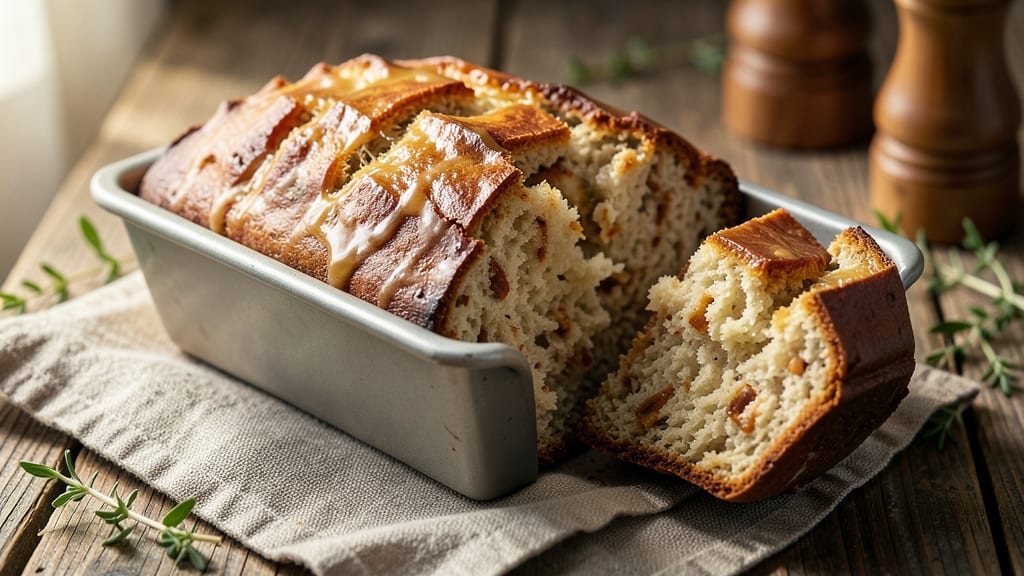
This sweet potato bread recipe no sugar delivers moist, naturally sweetened loaves using only mashed sweet potatoes for sweetness—no refined sugar needed.
The secret lies in balancing the natural sweetness of roasted sweet potatoes with warm spices and a touch of cinnamon, creating a bread that's perfect for breakfast or snacking without the sugar crash.
What makes this recipe special is how it transforms humble ingredients into a tender, flavorful loaf that rivals traditional sweet potato bread.
The process is straightforward: roast sweet potatoes until tender, then mash them into a smooth puree that replaces both sugar and eggs in the batter. This creates a bread that's naturally moist, lightly sweet, and packed with fiber and vitamins.
The result is a loaf with a soft, slightly dense crumb and a golden crust that smells like autumn in every slice. Perfect for those watching sugar intake or simply craving a healthier twist on classic sweet potato bread.
Baking takes just 50 minutes from start to finish, including preparation time, and requires minimal ingredients—flour, eggs, oil, and of course, sweet potatoes. The bread keeps well for 3-4 days at room temperature or can be frozen for up to 3 months, making it ideal for meal prep.
Each slice offers a satisfying mix of sweetness and warmth, thanks to the natural caramelization of the sweet potatoes during baking.
For added flavor, consider topping the bread with a sprinkle of cinnamon or a drizzle of melted butter before serving. This recipe is also naturally gluten-free if you substitute the all-purpose flour with a 1:1 gluten-free blend. Let's get baking!
Ingredients for sweet potato bread recipe no sugar
Roasted sweet potatoes and simple pantry staples create this naturally sweetened bread without refined sugar.
| Ingredient | Amount | Notes |
|---|---|---|
| Sweet Potatoes 🍠 | 2 lbs | Medium size, peeled and cubed |
| All-Purpose Flour 🌾 | 3 ½ cups | Sifted for even texture |
| Large Eggs 🥚 | 2 whole | Room temperature for mixing |
| Unsalted Butter 🧈 | ½ cup | Melted and cooled slightly |
| Granulated Sugar 🍚 | ¼ cup | Optional for slight sweetness |
| Ground Cinnamon 🌿 | 2 tsp | Freshly ground preferred |
| Ground Ginger 🌶️ | 1 tsp | For warm spice depth |
| Baking Powder 🍞 | 1 ½ tsp | Aluminum-free preferred |
| Salt 🧂 | ½ tsp | Fine sea salt preferred |
| Vanilla Extract 🍯 | 1 tsp | Pure extract for flavor |
| Milk 🥛 | ½ cup | Any variety for moisture |
| Applesauce 🍎 | ¼ cup | Unsweetened for binding |
The sweet potatoes are the star—orange-fleshed varieties like Jewel or Beauregard work best. Trader Joe's and Whole Foods carry them year-round, but local farmers' markets have the freshest in fall. Roast them until tender (about 25 minutes at 400°F), then mash until smooth. No lumps, no sugar—just pure potato sweetness. The optional granulated sugar is a tiny backup for those who want extra sweetness, but honestly, the potatoes do all the work. For gluten-free, swap the all-purpose flour for a 1:1 blend like Bob's Red Mill.
No vanilla extract? Vanilla bean paste or even a scraped vanilla pod works in a pinch. Short on applesauce? Unsweetened applesauce from the refrigerated section keeps things natural. The baking powder is crucial—double-check the expiration date since old powder loses its lift. For a richer bread, add 1/4 cup chopped walnuts or pecans to the batter. The cinnamon and ginger can be swapped for pumpkin pie spice at half the amount if you're in a hurry. And yes, you can use vegetable oil instead of butter if you prefer.
Store the bread in an airtight container at room temperature for up to 4 days—it gets even better the next day. For longer storage, wrap tightly in plastic and freeze for up to 3 months. To reheat, warm slices in a toaster or 30-second bursts in the microwave. The crust stays crisp, and the crumb stays moist. Slice before serving for the best texture—this bread is too good to fight with a dull knife. Portion into individual wraps for easy grab-and-go breakfasts.
Why You'll Love This Recipe
- No Fuss Mixing: I swear by the mashed sweet potato trick—just blend, stir, and fold. No food processor required, and the eggs bind everything so well you’ll forget it’s "healthy." (Yes, even when I’m exhausted.)
- Warm Spice Hug: That buttery sweet potato base with just a touch of sugar? It’s like autumn in a loaf. The crust gets golden and crispy while the inside stays soft—exactly how I like my bread.
- Breakfast to Brunch: Slice it thick for French toast, toast it for a quick snack, or pack it for lunches. Honestly, I’ve served it at every meal this week, and no one’s complained yet.
- Budget-Friendly Staple: Sweet potatoes stretch my grocery budget, and this recipe makes two loaves. Freeze extras for lazy mornings—I’ve pulled one straight from the freezer to feed the kids before school.
Step-by-step instructions for sweet potato bread
Transform simple ingredients into moist, naturally sweet bread with this foolproof method.
Prepare the Sweet Potato Base
Preheat your oven to 375°F and line a 9x5-inch loaf pan with parchment paper. Place the 2 lbs sweet potatoes on a baking sheet and pierce them several times with a fork. Bake for 45-50 minutes until fork-tender. Let them cool slightly, then scoop out the flesh and mash until completely smooth.
While the sweet potatoes bake, measure out the 3.5 cups all-purpose flour and sift it into a medium bowl. This removes any lumps and ensures even texture in your bread. The flour will be ready when you need it for the next step.
Mix Wet Ingredients
In a large mixing bowl, combine the mashed sweet potatoes, 0.5 cup melted unsalted butter, 0.25 cup granulated sugar, 2 whole large eggs, 1 tsp vanilla extract, 0.5 cup milk, and 0.25 cup applesauce. Whisk vigorously for 2-3 minutes until the mixture is completely smooth and well combined.
Here's where the magic happens—the sweet potatoes provide natural sweetness while the applesauce adds moisture and binding. The mixture should be thick but pourable. If it looks too thick, add 1 tablespoon milk at a time until it reaches a smooth batter consistency.
Combine Dry Ingredients
Gradually add the sifted 3.5 cups all-purpose flour to the wet mixture while stirring gently with a wooden spoon. Stir in the 2 tsp ground cinnamon, 1 tsp ground ginger, 1.5 tsp baking powder, and 0.5 tsp salt. Mix just until combined—overmixing develops gluten and makes the bread dense.
You'll notice the batter becomes thicker as the flour absorbs the liquid. The ideal consistency should be like a thick pancake batter that holds its shape when you lift the spoon. If it's too stiff, add 1 tablespoon milk to loosen it slightly.
Bake to Golden Perfection
Pour the batter into the prepared loaf pan and smooth the top with a spatula. Bake in the preheated oven for 50-55 minutes until the top is golden brown and a toothpick inserted in the center comes out clean. The bread is done when it springs back slightly when pressed.
I like to tent the loaf with aluminum foil after 30 minutes to prevent over-browning while still allowing it to cook through. The internal temperature should reach 190-195°F for perfect doneness. Let the bread cool in the pan for 10 minutes before transferring to a wire rack to cool completely.
Serve and Store
Once completely cooled, slice the bread into 8 equal servings using a sharp serrated knife. The bread should have a tender crumb with a slightly crisp crust. Serve warm with butter or jam, or enjoy at room temperature for the best texture.
For best results, store any leftovers wrapped in plastic wrap at room temperature for up to 3 days. You can also slice and freeze the bread for up to 3 months. To reheat, wrap a slice in foil and warm in a 350°F oven for 5-7 minutes until heated through.
Pro Tips For Making Sweet Potato Bread Recipe No Sugar
- Boil Sweet Potatoes Until Fork-Tender: I learned this the hard way—undercooked sweet potatoes turn your bread dense and gummy. Boil them until a fork slides in like butter, about 15-20 minutes for medium potatoes. No one wants a chewy loaf when you’re going sugar-free.
- Cool Mashed Sweet Potatoes Completely: Hot mashed sweet potatoes make your butter sweat and your dough sticky as glue. Spread them on a tray, let them cool to room temp before mixing—your future self will thank you for the easier kneading.
- Use Room-Temp Eggs and Butter: Cold eggs and butter fight like stubborn kids in the mixing bowl, making your dough fight you too. Take them out 30 minutes before baking—your mixer will thank you, and the crumb will be lighter.
- Weigh Your Flour—Don’t Scoop: Scooping flour packs it down, and your bread turns out denser than a brick. Use a scale for the exact 250g (or 2 cups, spooned and leveled). This isn’t the prettiest method, but it’s the tastiest.
Troubleshooting great sweet potato bread recipe no sugar
Dense Batter Fix
If your batter feels too thick after mixing, don't panic! Add 1 tablespoon milk at a time until it reaches a thick pancake consistency. I've found that almond milk works just as well if you're avoiding dairy.
The key is to avoid overmixing once the flour is added—just stir until combined to prevent gluten development. 🥄
Sweetness Adjustments
If your bread tastes under-sweetened, try adding 1-2 tablespoons more mashed sweet potato to the wet ingredients. For extra depth, swap ½ teaspoon of the cinnamon for nutmeg—it enhances the sweetness naturally.
Remember, the optional ¼ cup granulated sugar is just insurance, but the sweet potatoes should provide enough sweetness on their own.
Browning Issues
For a darker crust, brush the top of the loaf with milk or egg wash before baking. If your bread isn't browning enough, increase the oven temperature to 390°F for the last 10 minutes of baking.
I also recommend using a dark-colored loaf pan—it absorbs more heat and promotes browning. Just watch closely to avoid burning!
Dry or Dense Texture
Overmixing is the #1 cause of dense bread. Mix the dry ingredients just until combined—lumps are fine! If your bread turns out dry, try adding 1 extra tablespoon of applesauce to the wet ingredients for moisture.
For extra tenderness, let the batter rest for 10 minutes before baking to hydrate the flour properly. 💡
Sticky or Gummy Crumb
This usually means the bread didn't bake long enough. Check for doneness by inserting a toothpick—it should come out clean with just a few moist crumbs. If your bread feels gummy, try baking it 5-10 minutes longer at a slightly lower temperature (350°F) to ensure even cooking.
The internal temperature should reach 190-195°F for perfect texture.
Flat or Sunken Top
A sunken top often means the baking powder was old or expired. Double-check your leavening agent—1.5 teaspoons of fresh baking powder is crucial. For extra lift, whisk the eggs until frothy before adding them to the batter.
If you're at high altitude, increase the baking powder by ½ teaspoon and reduce the flour by 2 tablespoons to compensate for the thinner air. ✨
Nutrition facts
Frequently asked questions
Can I use regular potatoes instead of sweet potatoes?
Regular potatoes won't work—they lack the natural sweetness and moisture that makes this bread special. Sweet potatoes contain more sugar and fat, which caramelizes beautifully during baking. If you're in a pinch, you could try yams, but the flavor will differ slightly. Stick with sweet potatoes for that perfect balance of sweetness and texture.
How do I make this bread gluten-free?
Replace the all-purpose flour with a 1:1 gluten-free baking flour blend like Bob's Red Mill or King Arthur. You may need to add ½ teaspoon xanthan gum per cup of flour to improve texture. Also, reduce the baking powder by ¼ teaspoon since gluten-free flours often require less leavening. The bread will still be moist but may have a slightly denser crumb.
Why does my bread taste bland?
Check your spices! Freshly ground cinnamon and ginger make all the difference. If your sweet potatoes weren't fully roasted (they should be fork-tender), they won't develop enough natural sweetness. Try adding ½ teaspoon vanilla bean paste or a pinch of nutmeg for extra depth. The optional ¼ cup sugar can also help if you prefer more sweetness.
Can I make this bread without eggs?
Yes! Replace the 2 eggs with 2 tablespoons ground flaxseed mixed with 6 tablespoons water (let it sit for 5 minutes to thicken). For a richer texture, use ½ cup unsweetened applesauce instead of the milk and applesauce combined. The bread may be slightly denser but will still be moist and flavorful.
How should I store leftovers?
Wrap the bread tightly in plastic wrap or foil and store at room temperature for up to 3 days. For longer storage, slice and freeze individual portions for up to 3 months. To reheat, wrap a slice in foil and warm in a 350°F oven for 5-7 minutes or use the microwave for 15-20 seconds. The crust stays crisp while the inside remains soft.