Side Dishes
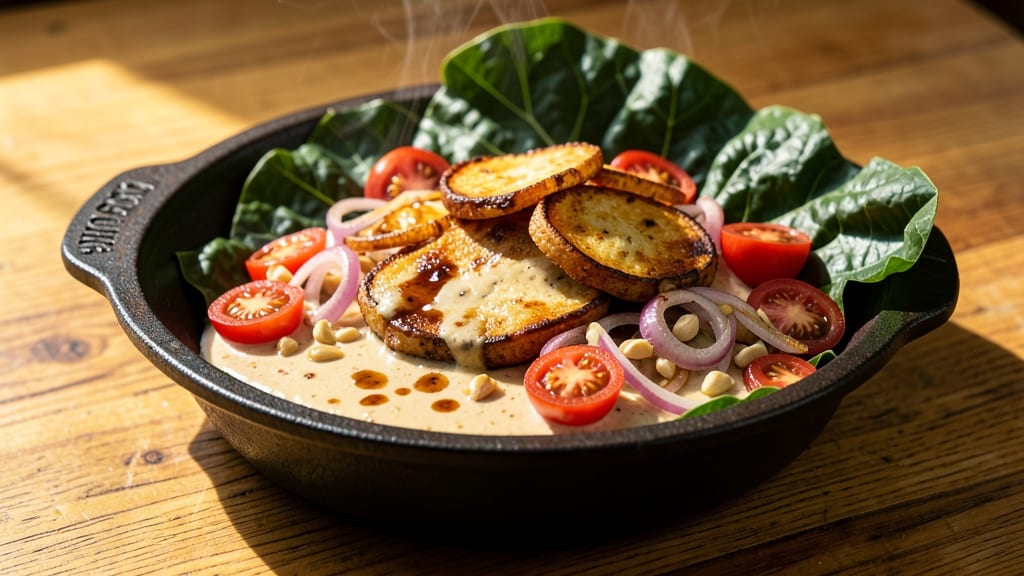
This African sweet potato leaves recipe transforms humble greens into a smoky, savory masterpiece that defines West African home cooking. 🔥 The secret lies in slow-cooking the leaves with garlic, onions, and tomatoes until they develop deep, caramelized flavors—then finishing with a touch of peanut butter that rounds out the dish with nutty richness.
I first tasted this dish in a Lagos market stall, where the aroma of garlic sizzling in palm oil drew me in like a culinary magnet.
The traditional method begins with thoroughly washing the leaves to remove any grit, then boiling them until tender but still vibrant.
What makes this recipe special is the patience required—allowing the garlic and onions to soften slowly in oil creates that signature smoky depth, while the peanut butter adds a velvety texture that balances the dish's earthy flavors.
This isn't just a side dish; it's a flavor experience that elevates any meal.
By the time you serve this dish, you'll have a rich, aromatic stew with tender leaves coated in a sauce that's both savory and subtly sweet. The peanut butter creates a luxurious mouthfeel, while the garlic and tomatoes add layers of complexity that make this dish unforgettable.
Perfect alongside grilled meats, fried plantains, or even as a standalone vegetarian meal, this recipe brings authentic African flavors to your table.
For those new to cooking with sweet potato leaves, the key is taking your time with each step—proper washing ensures the leaves cook evenly, and slow sautéing develops the full flavor profile.
The result is a dish that's both comforting and sophisticated, with a depth of flavor that will have everyone asking for seconds. Let's get started on creating this West African classic.
Ingredients for sweet potato leaves african
Fresh leaves, smoky spices, and nutty richness—this West African classic comes together with just 14 ingredients.
| Ingredient | Amount | Notes |
|---|---|---|
| Sweet Potato Leaves 🍠 | 12 oz | Fresh, thoroughly washed |
| Red Onions 🧅 | 1 whole | Medium size, sliced |
| Garlic Cloves 🧄 | 8 cloves | Fresh, minced finely |
| Tomatoes 🍅 | 2 medium | Ripe, chopped (or 1 cup canned) |
| Palm Oil 🫒 | ½ cup | Or substitute vegetable oil |
| Peanut Butter 🥜 | ¼ cup | Natural, unsweetened |
| Vegetable Stock 💧 | 1 cup | Low-sodium preferred |
| Fresh Ginger 🌿 | 1 tbsp | Grated, fresh preferred |
| Scotch Bonnet Peppers 🌶️ | 1 whole | Seeds removed for mild heat |
| Salt 🧂 | 1 ½ tsp | Adjust to taste |
| Black Pepper 🌶️ | ½ tsp | Freshly ground |
| Smoked Paprika 🌶️ | 1 tsp | For smoky depth |
| Lemon Juice 🍋 | 1 tbsp | Freshly squeezed |
| Fresh Cilantro 🌿 | ¼ cup | Chopped, for garnish |
The sweet potato leaves are the star, so pick the freshest you can find—look for vibrant green leaves at African markets or specialty grocery stores like Whole Foods. If you can't find them fresh, frozen leaves work too (just thaw and drain well). The palm oil is non-negotiable for that authentic smoky flavor, but vegetable oil in a pinch won't ruin the dish. For the garlic, peel and mince it finely—this is where the magic happens. I always grab extra because the aroma alone makes the whole kitchen smell amazing.
No palm oil? Avocado oil or coconut oil work well, though they'll have a slightly different flavor profile. Short on scotch bonnet? Jalapeño or habanero at half the amount gives you heat without overpowering. The tomatoes can be fresh or canned—San Marzano cans are my go-to for that sweet, rich flavor. Want to make this ahead? The sauce keeps beautifully for 3 days in the fridge, and the leaves can be boiled separately and added back later. The peanut butter adds that signature West African touch—natural, unsweetened works best.
Once cooked, this dish tastes even better the next day as the flavors meld. Store leftovers in an airtight container for up to 4 days, or freeze for 3 months. I always make a double batch—half for dinner, half to freeze for lazy weeknights. The sauce thickens as it cools, so add a splash of water or stock if it gets too thick when reheating. Garnish with fresh cilantro right before serving to keep it vibrant.
Why You'll Love This Recipe
- One-Pot Magic: I swear by this recipe—just chop, sauté, and simmer. The leaves wilt down with onions and garlic while tomatoes blend right in, no extra bowls or straining. Honestly, my weeknights thank me for skipping the cleanup.
- Umami Bomb: That palm oil? Rich, nutty, and deep—it turns the sweet potato leaves into something dangerously addictive. The garlic sizzles first, then the tomatoes caramelize, leaving you with a sauce that’s both sharp and sweet. My husband licks the spoon.
- Leftover Legend: This dish tastes better the next day—yes, really. The flavors meld overnight, and reheating it with a splash of water keeps it tender. I make a big batch on Sundays, and it’s still a hit by Thursday. (Even my picky teen asks for seconds.)
- Budget Powerhouse: Sweet potato leaves are cheap, hearty, and packed with nutrients—way better than takeout greens. A single bunch feeds four, and the onions/garlic/tomatoes stretch further than you’d think. Between us, this is my go-to when the grocery budget’s tight but I refuse to skimp on flavor.
Step-by-step instructions for smoky garlic sweet potato leaves
This West African classic transforms humble greens into a rich, nutty masterpiece—here's how to nail it every time.
🍳 Step 1: Prepare the Base with Palm Oil and Aromatics
Heat the 0.5 cup palm oil in a large pot over medium heat until shimmering but not smoking. Add the 1 whole sliced red onions and cook for 5 minutes until soft and translucent. Here's the thing—don't rush this step. The onions should turn golden without browning, releasing their sweetness into the oil.
Add the 8 cloves minced garlic cloves and cook for 1 minute until fragrant. Then stir in the 1 tbsp grated fresh ginger and 1 whole Scotch bonnet peppers (seeds removed). Cook for another 2 minutes until the garlic turns golden and the pepper releases its aroma. This aromatic base is the flavor foundation—don't skip it.
👨🍳 Step 2: Build the Sauce with Peanut Butter and Tomatoes
Reduce heat to medium-low and stir in the 0.25 cup natural peanut butter and 1.5 tsp salt. Let it cook for 3 minutes until the peanut butter melts completely and the mixture becomes smooth. This is where the magic happens—the peanut butter creates that signature West African richness.
Add the 2 medium chopped tomatoes and cook for 5 minutes until they break down into the sauce. Stir in the 1 cup vegetable stock and 1 tsp smoked paprika, then bring to a gentle simmer. The sauce should thicken slightly as it reduces, creating a velvety consistency that coats the back of a spoon.
🥘 Step 3: Cook the Sweet Potato Leaves to Perfection
Add the 12 oz thoroughly washed sweet potato leaves to the pot, stirring gently to coat them in the sauce. Cover and simmer for 15-20 minutes on low heat until the leaves are tender but still vibrant green. Here's the key: you want them to wilt completely but not turn mushy. Test by piercing a leaf with a fork—it should slide in easily but still hold its shape.
If the sauce becomes too thick during cooking, add 1-2 tablespoons of water to maintain the right consistency. The leaves should be swimming in a flavorful sauce, not drying out. This is where patience pays off—don't rush the cooking time or you'll end up with tough leaves.
🍽️ Step 4: Finish with Lemon and Fresh Cilantro
Once the leaves are perfectly tender, stir in the 1 tbsp freshly squeezed lemon juice and 0.5 tsp freshly ground black pepper. The acidity brightens all the flavors while the pepper adds a subtle kick. Taste and adjust seasoning—you might need an extra pinch of salt or more lemon juice to balance the richness.
Remove from heat and stir in the 0.25 cup chopped fresh cilantro. Let it sit for 5 minutes to allow the flavors to meld together. The dish should have a beautiful balance of smoky, nutty, and slightly tangy notes. Serve warm with rice or your favorite bread to soak up every last drop of that incredible sauce.
Pro Tips For Making Sweet Potato Leaves African
- Wilt Leaves in Stages: Don’t dump all the sweet potato leaves in at once—they’ll steam instead of soften. Add them in batches, stirring between each addition, until they collapse like a well-wrung sponge. (Yes, it takes 5-7 minutes, but rushing makes them turn to mush.)
- Salt the Palm Oil: A pinch of salt in the palm oil before heating cuts through the greasiness and balances the dish. I learned this the hard way—plain oil makes the final sauce taste flat, like you forgot the seasoning entirely.
- Crush Garlic Like a Pro: Minced garlic burns fast in palm oil. Instead, smash the cloves with the flat side of your knife first, then chop—this keeps them aromatic and prevents a bitter aftertaste. (And no, a garlic press won’t do here.)
- Simmer Tomatoes Low: After adding tomatoes, drop the heat to medium-low and let them cook uncovered for 10 minutes. This deepens their flavor without turning the sauce into a sticky mess. I used to rush this, and the dish always tasted underdeveloped.
Wine and beer pairings for sweet potato leaves african
West African Red Wine
For this dish, I always reach for a medium-bodied red wine like Pinotage from South Africa—it mirrors the dish's smoky, earthy notes while keeping the peanut butter's richness in check.
The slight tannins in Pinotage complement the garlic and tomatoes beautifully. If you can't find Pinotage, Malbec from Argentina offers a similar balance of fruitiness and structure. 🍷
Malty Beer Pairing
A West African-style lager like Guinness or Nigerian Star adds a creamy texture that contrasts perfectly with the dish's smoky depth. The maltiness in these beers enhances the peanut butter's nuttiness while cutting through the garlic's intensity.
For a lighter option, try a Belgian witbier—its citrus notes brighten the dish's earthy flavors.
Light White Wine
If you prefer white wine, go for a dry Riesling with a hint of smokiness—look for one labeled "smoky" or "off-dry" from Germany or Alsace. The wine's acidity balances the peanut butter's richness, while its mineral notes echo the dish's savory profile.
Avoid overly sweet whites—they'll clash with the dish's bold flavors.
Non-Alcoholic Options
For a non-alcoholic pairing, I love hibiscus tea (commonly called "zobo" in West Africa) served chilled. Its tart, cranberry-like flavor refreshes the palate between bites. Alternatively, a ginger beer with a squeeze of lime provides a fizzy contrast that cleanses the palate beautifully.
Both options highlight the dish's vibrant flavors without overpowering them. 💧
Nutrition facts
Frequently asked questions
Can I substitute regular spinach for sweet potato leaves?
While spinach will work in a pinch, it won't give you that authentic West African flavor profile. Sweet potato leaves have a distinct earthy, slightly sweet taste that spinach lacks. For the closest experience, try using dandelion greens or collard greens—both have a similar texture and heartier flavor. If you must use spinach, add an extra 1/2 tsp smoked paprika to mimic the depth of flavor.
How do I properly wash sweet potato leaves to remove dirt?
Start by filling a large bowl with cold water, then add the leaves and swish them around vigorously for 30 seconds. Drain and repeat this process 3-4 times until the water runs clear. For stubborn dirt, soak the leaves in the water for 5 minutes before rinsing again. Never use soap—it leaves a residue that affects flavor. Pat dry thoroughly with paper towels before cooking.
Can I make this recipe without peanut butter?
Yes, but the dish will lose its signature West African character. For a substitute, try 1/4 cup tahini (sesame paste) or 2 tbsp ground peanuts toasted in the oil. If you're avoiding nuts entirely, add 1 extra tomato and 1 tbsp tomato paste to deepen the sauce's richness. The peanut butter adds both texture and that unmistakable nuttiness that balances the garlic and smoky flavors.
What's the best way to store leftovers?
Store in an airtight container in the fridge for up to 4 days, or freeze for 3 months. To reheat, add 1-2 tbsp water or stock and warm on low heat until bubbling. The sauce may thicken when cold, so stir well before serving. For best texture, reheat only what you plan to eat immediately—overheating can make the leaves mushy.