
Side Dishes
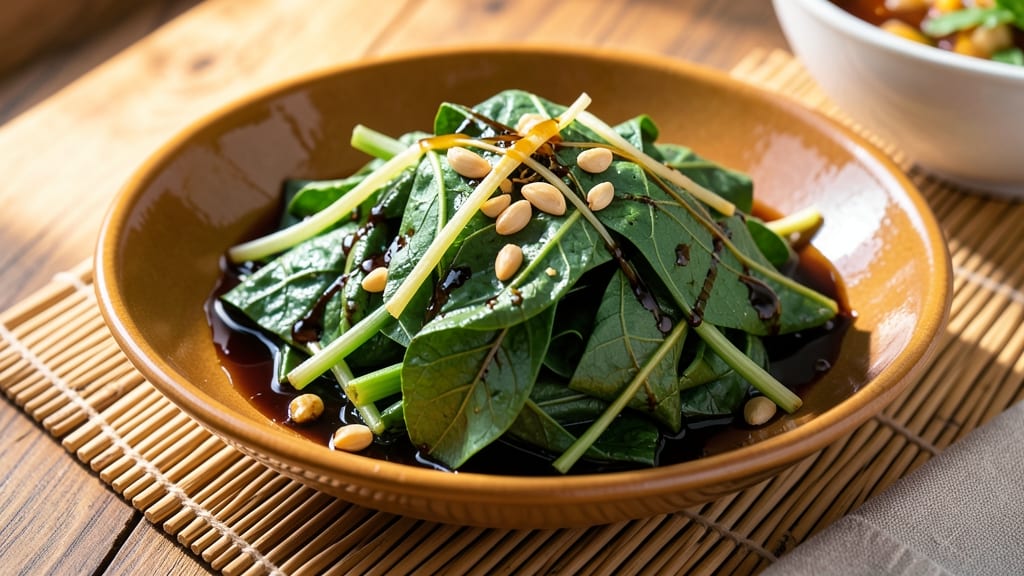
This Chinese sweet potato leaves recipe transforms humble greens into a crisp-tender stir-fry that balances earthy sweetness with aromatic garlic and ginger. The secret lies in quick cooking over high heat, preserving both texture and vibrant color while developing deep umami flavors.
I first discovered this dish in a rural Sichuan kitchen where it was served alongside steamed rice and braised pork—simple yet profoundly satisfying.
The preparation is straightforward but requires attention to timing: blanching the leaves briefly softens them without wilting, while the stir-fry technique ensures they develop that signature wok-hei smokiness.
Traditional recipes often include fermented bean paste or soy sauce for depth, but this version keeps it simple with garlic, ginger, and a touch of sesame oil. The result is a dish that’s both restaurant-quality and effortlessly homemade.
What makes this recipe stand out is its versatility—serve it as a side with rice, noodles, or dumplings, or make it the star of a vegetarian meal with tofu or mushrooms. The leaves maintain their bright green hue and satisfying bite, while the sauce clings perfectly to each leaf.
It’s the kind of dish that transforms an ordinary meal into something memorable, with just the right balance of sweet, savory, and aromatic complexity.
For best results, use fresh sweet potato leaves (available at Asian markets) and cook them immediately after blanching to lock in crispness. The dish reheats well, making it ideal for meal prep, though it’s even better enjoyed fresh.
Pair with a cold beer or jasmine tea to complement the dish’s rich, earthy flavors.
Ingredients for sweet potato leaves chinese
Fresh sweet potato leaves and aromatic garlic-ginger base create this restaurant-quality stir-fry.
| Ingredient | Amount | Notes |
|---|---|---|
| Sweet Potato Leaves 🌿 | 12 oz | Fresh, stems removed |
| Garlic Cloves 🧄 | 6 cloves | Minced finely |
| Fresh Ginger 🌿 | 1 tbsp | Grated finely |
| Sesame Oil 🫒 | 1 ½ tbsp | Toasted for aroma |
| Light Soy Sauce 🥄 | 2 tbsp | Vegetarian-friendly |
| Dark Soy Sauce 🥄 | 1 tbsp | For depth of flavor |
| Rice Vinegar 🍶 | 1 tbsp | White or seasoned |
| Granulated Sugar 🍚 | 1 tsp | Balances flavors |
| Vegetable Oil 🫒 | 2 tbsp | High smoke point |
| Toasted Sesame Seeds 🌾 | 1 tbsp | For garnish |
| Green Onions 🧅 | 2 whole | Sliced thin |
| Salt 🧂 | ½ tsp | Kosher or sea salt |
| White Pepper 🌶️ | ¼ tsp | Freshly ground |
Sweet potato leaves are the star—Asian markets or specialty grocery stores carry them, often labeled as 'yù gān' (芋杆). Look for vibrant green leaves with no yellowing or wilted spots, as freshness directly impacts crispness. If you can't find them, substitute collard greens or Swiss chard, but blanching time will differ slightly. The garlic and ginger should be freshly minced for maximum aroma; pre-minced jarred varieties lack the same punch. Toast your sesame oil in the wok before adding other ingredients—this releases its nutty flavor and prevents bitterness.
No sesame oil? Avocado oil or neutral oil works in a pinch, though the flavor profile shifts. Substitute mirin for rice vinegar if you prefer a sweeter note, but reduce sugar slightly to balance. For extra umami without soy sauce, add 1 tsp mushroom powder or 1 tbsp nutritional yeast. The blanching step is critical—overcooking wilts the leaves, while undercooking leaves them tough. Use boiling water for 20-30 seconds, then immediately shock in ice water to halt cooking. The leaves should be bright green and slightly softened but still hold their shape.
Prepped leaves keep for 2 days in an airtight container in the fridge, though they're best used immediately. Store blanched leaves submerged in ice water in the fridge—this preserves color and texture. The sauce components (soy sauces, vinegar, sugar) can be pre-mixed and stored for up to 1 week. For meal prep, stir-fry the leaves fresh and store separately; reheat quickly over high heat with a splash of water to revive crispness. This dish reheats beautifully and tastes even better the next day as flavors meld—double the batch and freeze portions for quick weeknight meals.
Why You'll Love This Recipe
- No-Chop Needed: I swear, the leaves just want to be eaten—toss them whole into boiling water, and they soften faster than you can say "sesame oil." Honestly, the only prep is chopping garlic and ginger, which takes less time than waiting for a YouTube ad to finish.
- Umami Bomb: That first hit of garlic and ginger sizzling in oil? Chef’s kiss. The soy sauce ties it all together with this deep, savory punch that sticks with you—like when you take a bite and immediately crave another, but this time with rice.
- Leftover Hero: Between us, this dish begs to be made in bulk. The flavors only get better the next day, and it reheats like a dream—just a quick stir-fry in the pan with a splash of water. My lunchbox has never been this happy.
- Pocketbook Winner: Sweet potato leaves grow like weeds in some places, and even when you buy them, they’re dirt cheap. Add garlic, ginger, and a tiny bottle of sesame oil, and you’ve got a restaurant-worthy side for pennies. Budget meals this good? Rare.
Step-by-step instructions for sweet potato leaves stir-fry
Master this classic Chinese technique for perfectly crisp-tender sweet potato leaves with bold garlic-ginger flavor.
Blanch the Sweet Potato Leaves
Fill a large pot with 4 quarts water and bring to a rolling boil over high heat. Add the 12 oz sweet potato leaves and cook for 1 minute until they just begin to wilt. This quick blanch removes bitterness and softens the leaves slightly for better texture.
Drain immediately using a colander and rinse under cold water to stop the cooking process. Gently squeeze out excess water with your hands—don't press too hard or you'll crush the leaves. The leaves should be bright green and slightly softened but still hold their shape. Set aside on a clean kitchen towel.
Prepare the Aromatic Base
Heat 2 tablespoons vegetable oil in a large wok or skillet over medium-high heat until shimmering. Add the 6 cloves minced garlic cloves and 1 tablespoon grated fresh ginger, stirring constantly for 30 seconds until fragrant but not browned. This quick cooking preserves their bright flavor without burning.
Push the aromatics to one side of the pan and add the blanched sweet potato leaves in a single layer. Stir-fry for 1-2 minutes until they begin to wilt and turn bright green. This initial cooking ensures even distribution of flavors throughout the dish.
Build the Flavor Sauce
Pour in the 2 tablespoons light soy sauce, 1 tablespoon dark soy sauce, 1 tablespoon rice vinegar, and 1 teaspoon granulated sugar. Toss everything together vigorously for 2 minutes until the leaves are coated and the sauce begins to caramelize slightly. The dark soy sauce adds depth while the vinegar brightens the overall flavor.
Sprinkle with 0.5 teaspoon salt and 0.25 teaspoon white pepper, then stir-fry for another 1 minute until the leaves are tender but still retain a slight crispness. The sugar helps balance the acidity from the vinegar while enhancing the natural sweetness of the leaves.
Finish and Garnish
Remove the wok from heat and drizzle in the 1.5 tablespoons sesame oil. Toss immediately to coat the leaves evenly with the fragrant oil. This step enhances the aroma and adds a nutty depth to the dish.
Garnish with 1 tablespoon toasted sesame seeds and 2 whole green onions sliced thin. The sesame seeds add texture while the green onions provide a fresh contrast. Serve immediately while the leaves are still crisp-tender and the flavors are vibrant.
Serve with Confidence
Transfer the stir-fried sweet potato leaves to a serving platter and arrange them attractively. The dish should have a beautiful bright green color with visible garlic and ginger flecks throughout. Each bite should deliver a perfect balance of tender leaves, savory soy sauce, aromatic garlic-ginger, and subtle sweetness.
This technique transforms what might seem like a humble vegetable into a restaurant-quality dish with impressive texture and depth of flavor. The key is maintaining that crisp-tender balance through precise timing and gentle handling of the leaves.
Pro Tips For Making Sweet Potato Leaves Chinese
- Wilt Leaves in Two Stages: I learned this the hard way—dumping all the leaves in one go makes them soggy and sad. First, rough-chop the stems and leaves, then wilt them in batches over medium-high heat for 2-3 minutes until just limp. Transfer to a bowl, then finish wilting with the garlic and ginger. This keeps the texture crisp-tender, not mushy.
- Mince Ginger Like You Mean It: Thin slices or grated ginger won’t cut it here—you need minced, almost paste-like ginger. Use the flat side of your knife to crush the ginger first, then finely mince it. This releases more flavor and blends seamlessly into the sauce. (Yes, it’s extra work, but your future self will notice.)
- Salt the Leaves Early: Add a pinch of salt to the leaves before they hit the pan. This softens them faster and prevents bitterness. I used to skip this, thinking it would over-salt the dish, but the leaves actually absorb just enough to make the final stir-fry taste balanced. Trust the process.
- Finish with Cold Sesame Oil: Pour the sesame oil in at the very end, right after removing the pan from heat. The oil should sizzle just once—if it smokes, you’ve overdone it. This adds aroma without burning the oil’s delicate flavor. (And no, a splash of water to stop the sizzle won’t work—just let it settle.)
Serving suggestions for this recipe
Rice Pairing Perfection
Steamed jasmine rice is the classic companion to sweet potato leaves—its delicate floral aroma complements the dish's earthy sweetness without overpowering it. I like to use short-grain Japanese rice for its slight stickiness, which helps scoop up the flavorful leaves.
For extra flair, sprinkle a pinch of toasted sesame seeds over the rice before serving. 🍚
For a heartier meal, try black rice (also called forbidden rice) which adds a striking visual contrast with its deep purple hue. The nutty, slightly sweet flavor pairs beautifully with the dish's garlic-ginger profile. Cook your rice with ½ cup jasmine rice to 1 cup water ratio for perfect texture.
Noodle Harmony
Wide rice noodles create an elegant pairing that absorbs the dish's savory sauce beautifully. I recommend banh pho noodles (flat rice noodles) which hold up well to stir-frying. Toss the cooked noodles with a little sesame oil and soy sauce before serving alongside the leaves.
The combination makes a satisfying vegetarian meal that's perfect for lunch or dinner. 🍜
Protein Pairings
For a complete meal, add pan-seared tofu with a light soy glaze. Press extra-firm tofu for 20 minutes, then cut into ½-inch cubes and pan-fry until golden. The tofu's mild flavor lets the sweet potato leaves shine while adding protein.
Another great option is shiitake mushrooms sautéed with garlic and a splash of Shaoxing wine. 🍄
Dipping Sauce Ideas
Create a quick dipping sauce by mixing 2 tbsp hoisin sauce with 1 tsp rice vinegar and a drizzle of chili oil. This adds a sweet-spicy contrast that's perfect for scooping up leaves.
For a simpler option, whisk 1 tbsp soy sauce with 1 tsp honey and a pinch of white pepper. The sauce should complement rather than compete with the dish's natural flavors. 🥄
Presentation Tips
Serve the stir-fried leaves in a wide, shallow bowl**> to showcase their vibrant green color. Arrange them artfully around the edges with a small pile in the center.
Garnish with extra green onions and sesame seeds for visual appeal. The dish looks equally impressive as a side or main course when presented this way. ✨
Nutrition facts
Frequently asked questions
Where can I find fresh sweet potato leaves?
Look for them at Asian grocery stores or specialty markets, often labeled as 'yù gān' (芋杆). They're usually sold in bunches near other leafy greens. If unavailable, collard greens or Swiss chard work as substitutes, though blanching times may vary slightly.
Can I use dried sweet potato leaves instead of fresh?
Fresh leaves are ideal for this recipe, as they maintain the best texture. Dried leaves lose their crisp-tender quality when rehydrated. If you must use dried, soak them in warm water for 10 minutes before blanching, but expect a softer final texture.
How do I adjust this recipe for a larger group?
Double all ingredients and use a 14-inch wok or large skillet for even cooking. Blanch leaves in batches to avoid overcrowding. Cook in 2-3 minutes per batch to maintain crispness. For serving, use multiple shallow bowls to showcase the dish's vibrant color.
What if my sweet potato leaves turn mushy?
Overcooking is the most common cause. For crisp-tender results, blanch for exactly 1 minute and stir-fry for no more than 3-4 minutes total. Use high heat and avoid overcrowding the pan. If they soften too much, try adding 1 extra tablespoon sesame oil at the end for slight crispness.
Can I make this dish ahead of time?
Yes! Blanch and store leaves in an airtight container with ice water for up to 2 days. Reheat quickly over high heat for 2-3 minutes with a splash of water to revive crispness. The sauce components can be pre-mixed and stored separately for 1 week.