
Desserts
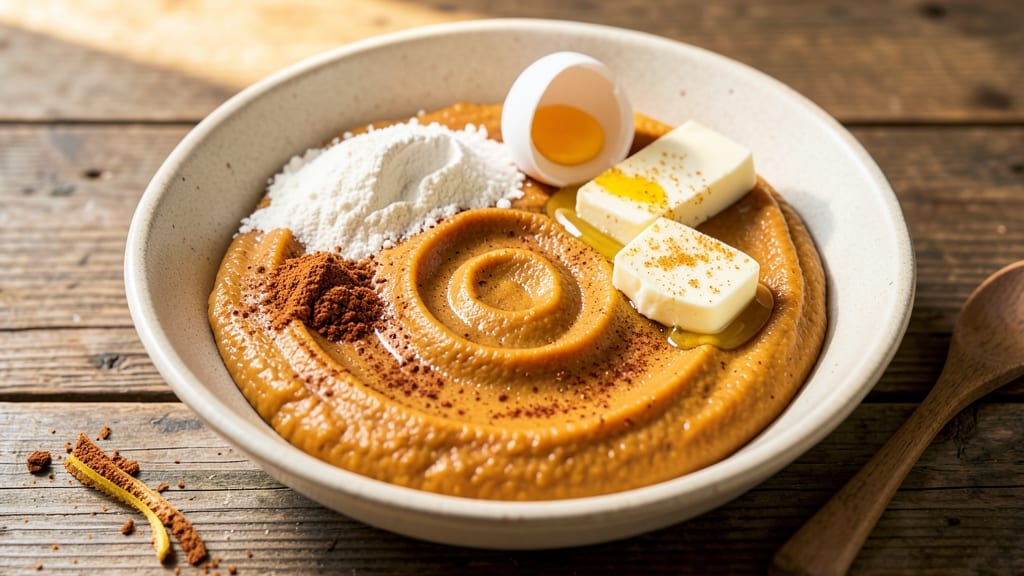
This sweet potato pie dough recipe transforms a classic dessert into a crispy, golden crown that rivals any bakery creation. The secret lies in a perfectly balanced dough—rich with sweet potato puree, spiced with cinnamon and nutmeg, and baked until it achieves that coveted caramelized edge.
I developed this recipe after years of experimenting with textures, and it never fails to impress, whether served warm with vanilla ice cream or as a standalone treat.
The dough combines the earthy sweetness of roasted sweet potatoes with a touch of butter and flour, creating a crust that’s both sturdy and delicate. Unlike traditional pie crusts, this version incorporates the puree directly into the dough, infusing every bite with natural sweetness and a velvety texture.
The key to achieving that crispy perfection lies in the baking technique—preheating the oven to the right temperature and baking just long enough for the edges to turn golden while keeping the center tender.
What sets this recipe apart is the way the spices meld with the sweet potato, creating layers of warmth and depth. A sprinkle of cinnamon and nutmeg during baking enhances the natural flavors, while a pinch of salt balances the sweetness.
The result is a pie dough that’s not only delicious but also visually stunning, with a crown that looks as good as it tastes.
Ready in just 45 minutes, this recipe is perfect for holiday gatherings or a cozy dessert night. The dough can be prepared ahead of time and baked fresh, ensuring maximum flavor and texture.
Whether you're a seasoned baker or a beginner, this sweet potato pie dough will elevate your dessert game to new heights.
Ingredients for sweet potato pie dough
Sweet potatoes, butter, and spices—this dough delivers crispy perfection every time.
| Ingredient | Amount | Notes |
|---|---|---|
| Orange Sweet Potatoes 🍠 | 2 medium | Peeled and pureed |
| All-Purpose Flour 🌾 | 2 cups | Sifted for light texture |
| Unsalted Butter 🧈 | ½ cup | Cold, cubed for flakiness |
| Granulated Sugar 🍚 | ¼ cup | Light brown preferred |
| Large Egg 🥚 | 1 whole | Room temperature |
| Ground Cinnamon 🌿 | 1 ½ tsp | Freshly ground preferred |
| Ground Nutmeg 🌿 | ½ tsp | Finely ground |
| Salt 🧂 | ½ tsp | Fine sea salt |
| Vanilla Extract 🌸 | 1 tsp | Pure alcohol-free preferred |
| Heavy Cream 🥛 | ½ cup | Cold for stability |
| Baking Powder 🍞 | 1 tsp | Aluminum-free |
| Celery Seeds 🌿 | ½ tsp | Toasted for aroma |
The sweet potatoes are non-negotiable here. Orange-fleshed varieties like Beauregard deliver the best natural sweetness and vibrant color. Trader Joe's and Whole Foods carry them year-round, but check the produce section near regular potatoes. Roast them until tender (about 45 minutes at 400°F), then puree until completely smooth—no lumps. The butter should be cold when mixed in, or you'll end up with a greasy dough instead of flaky layers. For the spices, Penzeys sells pre-ground cinnamon and nutmeg that's more aromatic than grocery store brands.
No sweet potatoes? Canned pumpkin puree works in a pinch, but reduce the sugar to 0.125 cup. Substituting butter with vegan butter (like Miyoko's) keeps it dairy-free, though texture may be slightly less crisp. The celery seeds might be tricky to find—spice markets or bulk bins carry them, but if you can't locate them, extra celery leaves (finely chopped) add a similar earthy note. For a gluten-free version, swap the all-purpose flour with a 1:1 gluten-free blend, but expect a denser texture. The vanilla extract? Alcohol-free versions have a cleaner flavor, but regular works fine.
This dough keeps beautifully for 3 days wrapped in plastic in the fridge, or 3 months frozen between parchment paper. For best results, let it sit at room temperature for 15 minutes before rolling. The crust browns faster than traditional pie dough, so watch it closely after the first 10 minutes in the oven. I like to bake mine on a preheated baking sheet for extra crispiness—transfer to a pie dish after 5 minutes to prevent burning. Leftovers? Crumble over yogurt for a sweet breakfast topping.
Why You'll Love This Recipe
- Here’s what sold me: I can make a double batch, freeze half, and pull it out whenever I need a shortcut. The butter stays fresh longer than store-bought crust, and the sweet potatoes use up those slightly soft ones lurking in your fridge. Plus, it’s cheaper than pre-made dough—just flour, butter, and pantry staples.
- No-Knead Magic: I swear by this dough—just mash the sweet potatoes, mix in the butter and sugar, then fold in flour until it’s just together. No rolling, no fuss, no stress. The egg binds it all so smoothly, you’ll wonder why you ever bothered with pie crusts that needed to rest.
- Sweet Spice Bomb: That first bite of warm, buttery dough with the natural sweetness of roasted orange sweet potatoes? It’s like dessert sneaking into your savory life. The sugar caramelizes just enough to give it this addictive edge—crispy outside, tender inside, with a whisper of vanilla from the spuds.
- Holiday or Hangry Fix: Between us, this dough is my secret weapon for Thanksgiving leftovers or a 3 p.m. sugar crash. Use it for hand pies stuffed with leftover turkey and cranberry, or roll it out for a quick skillet pie with cinnamon and pecans. It’s the same dough, but the flavors adapt to whatever you’re craving.
Step-by-step instructions for sweet potato pie dough
Here's how to create a flaky, golden crust that perfectly complements your spiced filling.
Prepare the Sweet Potato Puree
Preheat your oven to 400°F and pierce the 2 medium orange sweet potatoes with a fork. Place them on a baking sheet and roast for 45-50 minutes until a knife slides in easily. Let them cool slightly, then peel away the skin and transfer the flesh to a food processor or blender.
Add 1 teaspoon vanilla extract and 0.25 cup granulated sugar to the warm sweet potatoes. Process until completely smooth, scraping down the sides as needed. The puree should be lump-free and silky—this ensures a tender crust. Taste and adjust sweetness if needed, though the sugar in the filling will complement it beautifully.
Mix Dry Ingredients for Structure
In a medium bowl, whisk together the 2 cups all-purpose flour, 1.5 teaspoons ground cinnamon, 0.5 teaspoon ground nutmeg, 0.5 teaspoon salt, 1 teaspoon baking powder, and 0.5 teaspoon toasted celery seeds. Sift the mixture through a fine-mesh sieve directly into the bowl to aerate the flour and eliminate any lumps. This step is crucial for achieving that signature flaky, crispy texture.
The spices work together to create a warm, aromatic crust that pairs perfectly with the custard filling. The celery seeds add a subtle earthy note that enhances the sweet potato flavor without overpowering it. Keep this mixture ready for the next step—don't pre-mix it with wet ingredients just yet.
Combine Wet Ingredients for Flakiness
In a separate large bowl, combine the sweet potato puree, 0.5 cup cold unsalted butter (cut into small cubes), 1 whole large egg, and 0.5 cup cold heavy cream. Use a wooden spoon or rubber spatula to mix gently until the butter is fully incorporated but still visible in small clumps. Overmixing here will develop gluten and result in a tough crust instead of the delicate layers we want.
This cold butter creates steam pockets when baked, which is what gives pie dough its signature flakiness. The heavy cream adds moisture and richness that enhances the sweet potato flavor. Work quickly but carefully—you want to maintain the cold temperature of the butter to ensure those perfect layers form during baking.
Assemble the Dough for Baking
Gradually add the dry ingredients to the wet mixture, stirring just until combined. The dough will be slightly sticky but should come together easily. If it feels too dry, add 1-2 teaspoons cold water to help it bind. Divide the dough into two equal parts and shape each into a disk about 1/2-inch thick. Wrap each disk tightly in plastic wrap and refrigerate for at least 1 hour.
Chilling the dough is essential—it relaxes the gluten, prevents shrinking during baking, and allows the butter to remain cold for maximum flakiness. When ready to use, roll out one disk on a lightly floured surface to fit your pie dish, leaving a 2-inch overhang for the classic crust edge. The second disk will be used for the top crust.
Blind-Bake for Perfect Crispiness
Line the rolled-out bottom crust with parchment paper, then fill it with pie weights or dried beans. Bake at 375°F for 15 minutes until the edges begin to golden slightly. Remove the weights and bake for another 5-7 minutes until the crust is fully set but not yet browned. Prick the bottom all over with a fork to prevent puffing when the filling is added.
This blind-baking step ensures your crust stays crispy rather than soggy when the warm filling is poured in. The parchment prevents sticking, while the weights help the crust maintain its shape. For the top crust, roll it out and cut decorative slits before placing it over the filling. Brush with a beaten egg wash for extra shine and golden color.
Pro Tips For Making Sweet Potato Pie Dough
- Boil Sweet Potatoes Until Fork-Tender: I learned this the hard way—undercooked sweet potatoes turn your dough gummy. Test with a fork: it should slide in like butter, not fight you. If they’re still firm after 15 minutes, keep boiling. Overcooked? No problem, just mash them extra smooth.
- Chill Butter Before Mixing: Cold butter creates flaky layers; room-temp butter makes a tough dough. Cut your unsalted butter into cubes, then pop them in the freezer for 10 minutes before grating or cutting into the flour. Yes, even if you’re in a hurry—your crust will thank you.
- Don’t Overmix the Dough: Once the egg and sweet potato mash come together, stop stirring the second the flour is just incorporated. Overworking it develops gluten, and your pie crust will turn out dense instead of tender. A few lumps? Doesn’t matter—press them out when rolling.
- Use a Food Scale for Flour: Spooning flour into cups packs it too tightly, throwing off your dough’s texture. Weigh it instead—1 cup of all-purpose flour is actually 120 grams. This small step keeps your crust light and prevents a brick-like mess. (I know, measuring cups are easier, but trust me.)
Common mistakes when making perfect results
Overmixing the Dough
I’ve made this mistake more times than I’d like to admit—overmixing the dough turns that beautiful flaky texture into something dense and chewy. The moment those butter clumps disappear completely, you’ve crossed the line.
Remember, we want those pockets of cold butter to create steam during baking, not a fully developed gluten network. Mix just until the dry ingredients are mostly incorporated, leaving a few small clumps visible. 🥄
Skipping the Chill Time
Rushing to roll out the dough without proper chilling is a recipe for disaster. The gluten in the flour needs time to relax, and the butter must stay cold to maintain those delicate layers.
If you skip the 1-hour chill, your crust will shrink during baking and lose its flakiness. Place the dough disks in the fridge while you prep the filling—trust me, it’s worth the wait. ⏰
Using Warm Butter
Cold butter is non-negotiable for flaky crusts. If you use butter straight from the fridge, cut it into small cubes to ensure even cooling. Warm butter melts into the dough, creating a greasy mess instead of those coveted steam pockets.
For extra insurance, freeze the butter for 10 minutes before measuring. The effort pays off with a crust that’s crispy on the outside and tender on the inside. ❄️
Ignoring the Blind-Bake
Skipping the blind-bake step is the fastest way to end up with a soggy bottom crust. The weights and parchment paper do more than just shape the crust—they pre-cook it just enough to handle the moisture from the filling.
If you pour warm custard into an unbaked crust, you’ll get a mushy mess. Take the extra 20 minutes to blind-bake; your crust will thank you. 🍂
Overworking the Rolled Dough
Every time you roll and re-roll the dough, you’re compacting the flour and breaking down those butter layers. Handle the dough gently, lift it instead of dragging it, and avoid pressing too hard with the rolling pin.
If the dough resists rolling, let it rest for 5 minutes at room temperature. Patience here means the difference between a delicate crust and a tough one. 💫
Not Preheating the Oven
A cold oven is the enemy of crispy crusts. Always preheat your oven to 375°F for at least 15 minutes before baking. A properly heated oven ensures even cooking and that beautiful golden-brown color.
I’ve seen crusts turn out pale and undercooked when the oven wasn’t hot enough—don’t let that be you! 🔥
Nutrition facts
Frequently asked questions
Can I substitute pumpkin puree for sweet potatoes?
Yes, you can! Use 1 cup canned pumpkin puree instead of the roasted sweet potatoes, but reduce the sugar to 0.125 cup since pumpkin is naturally sweeter. The texture will be slightly denser, but it works well for a quick version. For best results, add 1/2 teaspoon extra cinnamon to enhance the autumnal flavor.
How do I store leftover dough?
Wrap the dough tightly in plastic wrap and refrigerate for up to 3 days, or freeze between parchment paper for 3 months. Let it sit at room temperature for 15 minutes before rolling to prevent cracking. For extra crispiness, bake from frozen—just add 5-7 extra minutes to the baking time.
Why did my crust turn out tough instead of flaky?
Overmixing or using warm butter are the most common culprits. The dough should have visible butter clumps when mixed, and the butter must stay cold. Also, avoid overworking the dough when rolling—lift rather than drag it. If the crust still feels tough, try adding 1 tablespoon extra cold butter next time.
Can I make this gluten-free?
Yes, but expect a denser texture. Replace the all-purpose flour with a 1:1 gluten-free blend (like Bob's Red Mill) and add 1/2 teaspoon xanthan gum if your blend doesn't include it. Chill the dough longer (2 hours) to compensate for the lack of gluten structure. For extra crispiness, brush the baked crust with melted butter.
What's the best way to achieve that golden crown edge?
Preheat your oven to 375°F and bake the crust on a preheated baking sheet for the first 5 minutes before transferring it to your pie dish. Brush the edges with beaten egg wash and sprinkle with coarse sugar before baking. For extra shine, broil for 1-2 minutes at the end—just watch it closely to avoid burning!