
Side Dishes
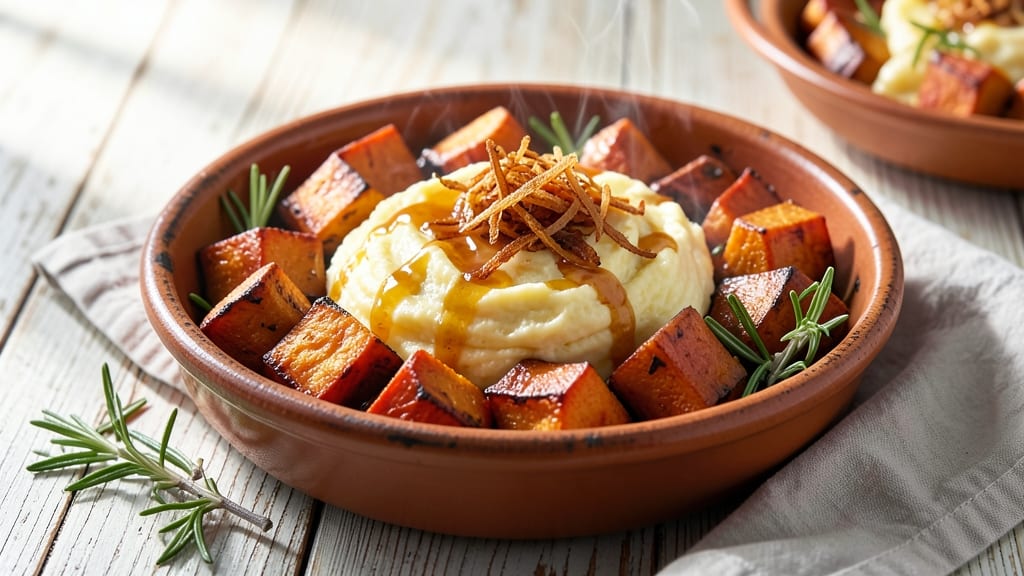
Sweet potato rosh hashanah brings the sweetness of the Jewish New Year to your table with honey-glazed crunch over spiced custard—a dish steeped in tradition and packed with flavor. This recipe transforms humble sweet potatoes into a festive centerpiece that honors Rosh Hashanah's symbolic blessings for a sweet year ahead. The caramelized edges and warm spices create a balance of textures and flavors that will impress your guests.
The magic lies in the technique: roasting the sweet potatoes until tender and caramelized, then topping them with a velvety spiced custard and a drizzle of honey. This method ensures every bite delivers that perfect combination of crispy, creamy, and sweet.
The dish is easy to prepare but feels special enough for a holiday celebration, making it a perfect addition to your Rosh Hashanah menu.
What makes this recipe truly special is its cultural significance. Sweet potatoes symbolize prosperity and sweetness for the coming year, while the honey glaze represents the hope for a year filled with sweetness. The warm spices like cinnamon and nutmeg add depth, creating a dish that's both comforting and festive.
It's a dish that tells a story and invites everyone to partake in the traditions of the season.
Ready in about 45 minutes, this recipe is designed to be your go-to for Rosh Hashanah. The custard can be made ahead, and the sweet potatoes roast beautifully while you prepare the rest of your meal.
Serve it warm, garnished with a sprinkle of cinnamon or a few chopped nuts for added texture. Here's how to make it shine on your holiday table.
Ingredients for sweet potato rosh hashanah
Sweet potatoes, honey, and warm spices—this Rosh Hashanah dish brings tradition to your table.
| Ingredient | Amount | Notes |
|---|---|---|
| Sweet Potatoes 🍠 | 3 lbs | Medium size, peeled and cubed |
| Unsalted Butter 🧈 | ½ cup | Cold, cubed for roasting |
| Honey 🍯 | ½ cup | Wildflower or clover preferred |
| Large Eggs 🥚 | 4 whole | Room temperature for custard |
| Whole Milk 🥛 | 2 cups | Full-fat for creaminess |
| All-Purpose Flour 🌾 | ½ cup | Sifted for smooth custard |
| Ground Cinnamon 🌿 | 2 tsp | Freshly ground preferred |
| Ground Nutmeg 🌿 | ½ tsp | Freshly grated for depth |
| Salt 🧂 | ½ tsp | Kosher or sea salt |
| Granulated Sugar 🍚 | ¼ cup | Light brown preferred |
| Vanilla Extract 🌿 | 1 tsp | Pure vanilla for flavor |
| Chopped Walnuts 🌰 | ¼ cup | Toasted for garnish |
The sweet potatoes are the star here—organic, vibrant orange ones from Whole Foods or your local farmers market make all the difference. Look for ones that feel heavy for their size, a sign they're packed with flavor. I always buy a few extra because they're so versatile. For the honey, local wildflower adds a deeper flavor than store-bought brands. The butter? Plugrá or Land O'Lakes work perfectly—just make sure it's unsalted so you control the seasoning. If you're feeling fancy, swap the walnuts for pecans or almonds—just toast them first for that nutty crunch.
No honey? Maple syrup works beautifully—just reduce it slightly to mimic honey's thickness. Running short on milk? Oat or almond milk keeps the custard creamy, though you might need an extra tablespoon of flour to thicken it. Fresh cinnamon and nutmeg are ideal, but ground spices work fine in a pinch. The vanilla extract can be swapped for vanilla bean paste if you're feeling indulgent. For the sweet potatoes, if you forget to peel them, just scrub them well—the skin adds texture and nutrients. The flour can be swapped for gluten-free flour if needed, but keep the ratio the same.
The sweet potatoes keep for 3 days in the fridge once roasted, but honestly, they're best eaten fresh. The custard can be made 1 day ahead—it actually tastes better after resting. Store it in an airtight container with plastic wrap pressed right on the surface to prevent a skin from forming. For the walnuts, keep them in a sealed container in a cool, dark place for up to 2 weeks. If you make extra custard, freeze it in portions for up to 3 months. Just thaw it in the fridge overnight before reheating.
Why You'll Love This Recipe
- One-Pan Magic: I swear by this recipe when I’m short on time—just slice the sweet potatoes thin, toss them in butter and honey, and let the oven do the work. No chopping boards, no mess, just golden, caramelized layers in under an hour.
- Honey-Glazed Bliss: That sticky-sweet honey glaze? It’s the star. The butter melts into the potatoes while the honey caramelizes, creating a balance of creamy and crispy that’s dangerously hard to resist. (Yes, even on a Tuesday night.)
- Shabbat Star: This dish is my go-to for Rosh Hashanah because it’s naturally sweet (symbolic for the new year!) and feels special without being fussy. Serve it warm with a sprinkle of cinnamon, and suddenly, your table looks like you spent all day in the kitchen.
- Budget-Friendly Comfort: Sweet potatoes are cheap, eggs add richness, and milk stretches the filling just enough to feed a crowd. Plus, leftovers reheat beautifully—perfect for lunch the next day or freezing for when you need a quick, satisfying meal.
Step-by-step instructions for sweet potato Rosh Hashanah recipe
Here's how to create a sweet, spiced custard topped with honey-glazed sweet potatoes for a festive Rosh Hashanah dessert.
Roast the Sweet Potatoes Until Caramelized
Preheat your oven to 400°F and line a large baking sheet with parchment paper. Toss the 3 lbs sweet potatoes (peeled and cubed) with 0.5 cup unsalted butter (cold, cubed) until each piece is evenly coated. Spread them in a single layer on the baking sheet, leaving space between cubes for even browning.
Roast for 30-35 minutes, stirring once halfway through, until the edges are deep golden brown and the cubes are tender when pierced with a fork. The butter will render out and create a rich, caramelized crust. If the potatoes begin to brown too quickly, tent the pan with foil to prevent burning while they finish cooking.
Prepare the Spiced Custard Mixture
While the sweet potatoes roast, whisk together the 4 whole large eggs (room temperature), 2 cups whole milk, 0.5 cup all-purpose flour (sifted), 0.25 cup granulated sugar, 2 tsp ground cinnamon, 0.5 tsp ground nutmeg, 0.5 tsp salt, and 1 tsp vanilla extract in a large bowl until smooth. The mixture should be thick but pourable, with no lumps remaining.
Strain the custard through a fine-mesh sieve into a clean bowl to remove any potential lumps. This ensures a silky, smooth texture for your dessert. Taste the mixture and adjust the sweetness or spice level if needed—you want a balance of warmth from the cinnamon and nutmeg with just enough sweetness to complement the honey-glazed potatoes.
Assemble and Bake the Custard Layer
Transfer the custard mixture to a 9-inch round baking dish (or similar size) and spread it evenly. Place the dish on a baking sheet to catch any potential spills. Bake at 350°F for 35-40 minutes until the custard is set but still slightly jiggly in the center. It should pull away from the edges of the dish and be just set enough to hold its shape when gently shaken.
To test doneness, insert a toothpick into the center—it should come out clean but slightly moist. If the custard is still too wobbly, return it to the oven for another 5 minutes. Real talk: don't overbake it, or it'll turn out dry and dense instead of creamy and luscious.
Glaze and Garnish the Roasted Potatoes
Once the custard is baked, remove it from the oven and let it cool slightly for 10 minutes. Meanwhile, return the roasted sweet potatoes to the baking sheet and drizzle them with the 0.5 cup honey. Toss gently to coat evenly, then broil on high for 2-3 minutes until the honey caramelizes and becomes bubbly. Watch closely to avoid burning—you want a glossy, amber glaze, not a dark, bitter one.
Remove the potatoes from the oven and immediately sprinkle them with the 0.25 cup chopped walnuts. The contrast of the crunchy walnuts with the soft custard and tender potatoes creates the perfect textural balance. Let the potatoes cool for another 5 minutes before serving to allow the honey to set slightly.
Serve Warm with Honey-Glazed Potatoes
To serve, invert the baked custard onto a serving plate, then carefully transfer the honey-glazed sweet potatoes onto the custard layer. You can use a spatula to gently spread the potatoes evenly across the custard. Dust with a light layer of powdered sugar if desired, though the natural sweetness of the honey and custard should be enough.
Each serving should feature a generous portion of the spiced custard, topped with the caramelized sweet potatoes and their sticky honey glaze. The warmth of the cinnamon and nutmeg in the custard pairs beautifully with the natural sweetness of the roasted potatoes, making this dessert a perfect way to welcome the new year with sweetness and abundance.
Pro Tips For Making Sweet Potato Rosh Hashanah
- Peel and Cube Evenly: Cut the sweet potatoes into 1.5-inch chunks—no smaller, or they’ll turn to mush in the oven. I learned this the hard way when my first batch dissolved into a sad, gluey mess. Use a sharp knife and work in batches if needed; rushing here makes the whole dish suffer.
- Roast Until Fork-Tender: Pull the sweet potatoes from the oven when they’re just soft enough to pierce with a fork—about 45-50 minutes at 400°F (200°C). Overcooking dries them out, and you’ll end up fighting with the texture later. Tent with foil for the last 10 minutes if they’re browning too fast.
- Whisk Eggs Like a Pro: Beat the eggs and milk together until the yolks and whites are uniformly pale yellow—no streaks. I used to eyeball it, but those streaks mean uneven custard. A quick 30-second whisk with a fork makes all the difference in that silky finish.
- Sweeten the Honey Last: Stir the honey into the warm (not hot) egg mixture after removing it from the heat—this keeps the flavor bright and prevents bitterness. Adding it too early turns the custard into a sticky, cloying mess. Trust me, the last-minute drizzle is the move.
Common mistakes when making this recipe
Skipping the Peel
Sweet potatoes don't need peeling, but if you skip it, you risk adding bitterness and uneven cooking. The skin can burn faster than the flesh, creating a charred contrast that disrupts the dish's delicate balance.
If you're short on time, scrub them thoroughly under hot water to remove dirt—just be prepared for slightly tougher edges. 🍠
Overcrowding the Pan
Piling sweet potatoes too closely on the baking sheet traps steam, making them steam instead of roast. This leads to soggy, unevenly browned cubes that lack the caramelized crust we want.
Space them about ½ inch apart and use two pans if needed. I promise, the extra effort is worth the crispy edges.
Underestimating the Custard Time
Pulling the custard out too early is a rookie mistake—the center needs to be just set but still slightly jiggly. If it's underbaked, it'll be runny and unappetizing. Use the toothpick test: clean but slightly moist means perfect.
Overbaking? You'll end up with a dense, dry layer instead of the silky texture we're aiming for. Every oven is different—start checking at 35 minutes.
Broiling Too Long
The honey glaze is delicate—broiling for more than 3 minutes turns it bitter and dark. Keep a close eye on it, stirring occasionally to ensure even caramelization. If your oven runs hot, reduce the time to 2 minutes or use the lowest broil setting.
The goal is a glossy amber finish, not a burnt one. 🔥
Ignoring the Cooling Phase
Serving the custard or potatoes immediately after baking disrupts their textures. The custard needs 10 minutes to set properly, and the honey needs time to thicken slightly.
Rushing this step means a soggy bottom and a sticky mess. Patience here ensures clean slices and a perfect presentation—trust me, it's worth the wait.
Using Low-Quality Honey
Store-bought honey often contains fillers that prevent proper caramelization. Opt for raw, local wildflower honey—it has a lower water content and richer flavor. I've tried the cheap stuff, and it just doesn't compare.
The difference in texture and taste is night and day, especially when broiled. Your guests will notice the difference too.
Nutrition facts
Frequently asked questions
Can I make this dish ahead of time for Rosh Hashanah?
The custard layer can be prepared 1 day ahead and stored in an airtight container with plastic wrap pressed directly on the surface. The roasted sweet potatoes are best made fresh, but you can roast them up to 3 days ahead and reheat in a 350°F oven for 10 minutes before adding the honey glaze. Reassemble just before serving to maintain the perfect texture contrast.
What's the significance of sweet potatoes for Rosh Hashanah?
Sweet potatoes symbolize a wish for a sweet and prosperous new year, aligning with Rosh Hashanah's themes of renewal and blessings. Their natural sweetness represents hope for abundance, while the honey glaze reinforces the tradition of praying for a year filled with sweetness. The dish embodies the holiday's central prayers for a good year ahead.
Can I substitute regular potatoes for sweet potatoes?
No, sweet potatoes are essential for this dish—their natural sweetness and texture make them perfect for the honey glaze and custard pairing. Regular potatoes would be too starchy and lack the caramelization potential. If you absolutely must substitute, try yams, but they'll have a slightly different flavor profile. The sweetness is key to this Rosh Hashanah tradition!
How do I make this recipe gluten-free?
Replace the all-purpose flour with a 1:1 gluten-free baking flour blend (like Bob's Red Mill) and ensure your vanilla extract is gluten-free. The rest of the recipe remains unchanged. For the custard, you may need an additional 1 tablespoon of gluten-free flour to achieve the same thickness. Always check labels on spices and extracts for hidden gluten.
What's the best way to reheat leftovers?
Reheat individual portions in a 350°F oven for 10-12 minutes covered with foil, or use the microwave for 1-2 minutes on medium power. The custard layer reheats best in the oven to maintain its creamy texture, while the potatoes can handle microwave reheating. For best results, cover loosely with a damp paper towel to prevent drying.