Side Dishes
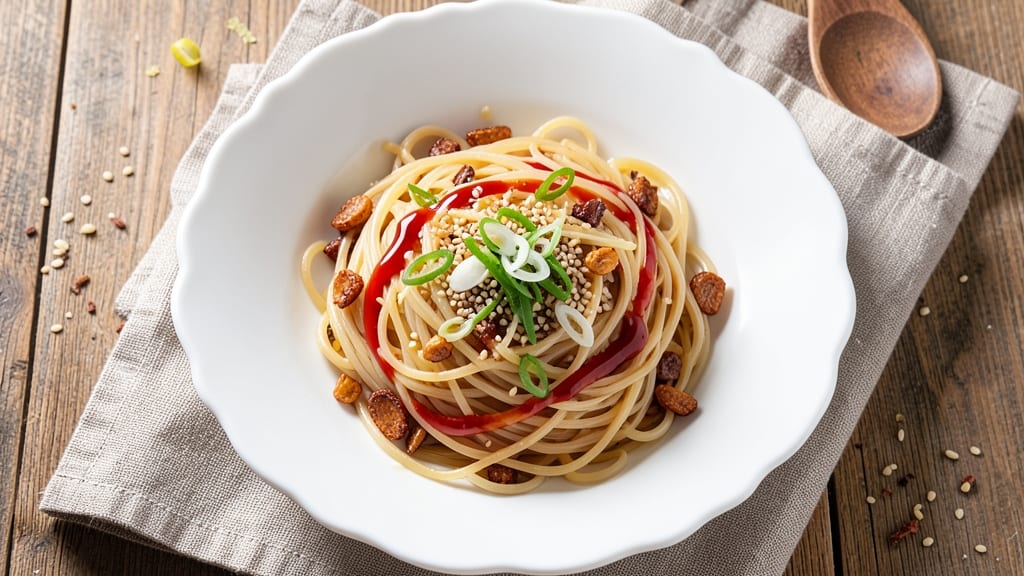
Sweet potato starch noodles transform simple ingredients into silky, gluten-free ribbons that rival traditional pasta—in just 15 minutes. This recipe delivers a light, chewy texture perfect for stir-fries, soups, or cold salads, all while keeping prep effortless.
The secret lies in the starch's natural binding properties, creating noodles that hold up to bold flavors without losing their delicate structure.
What sets these noodles apart is their versatility—vegan, gluten-free, and naturally sweet—yet they absorb sauces beautifully. Unlike store-bought alternatives, these homemade strands stay tender and resist mushiness, even when cooked al dente.
The process is straightforward: mix, rest, roll, and slice, then cook in boiling water or stir-fry for a restaurant-quality finish.
Pair them with spicy peanut sauce, miso broth, or fresh herbs for an instant upgrade to any meal. The mild sweetness of sweet potato starch balances savory dishes perfectly, making these noodles a game-changer for plant-based diets or anyone seeking a lighter carb option.
Ready in under 30 minutes with minimal cleanup, this recipe proves homemade noodles can be both foolproof and impressive. Whether you're meal prepping or hosting dinner, these silky ribbons deliver restaurant-quality results with zero fuss.
Ingredients for sweet potato starch noodles
Five core ingredients create silky, gluten-free noodles that rival traditional pasta in texture and versatility.
| Ingredient | Amount | Notes |
|---|---|---|
| Sweet Potato Starch 🍠 | 1 ½ cups | High-quality, fine-ground preferred |
| Tapioca Starch 🍠 | ½ cup | For added elasticity |
| Water 💧 | ¾ cup | Room temperature preferred |
| Olive Oil 🫒 | 1 tbsp | Extra-virgin for best flavor |
| Salt 🧂 | ½ tsp | Diamond Crystal preferred |
| Sesame Oil 🌿 | 1 tsp | For subtle nutty aroma |
| Fresh Ginger 🌿 | 1 tbsp | Finely grated, aromatic |
| Garlic Cloves 🧄 | 2 cloves | Minced for aromatic base |
| Vegetable Oil 🫒 | 1 tbsp | For cooking noodles |
| Lime Juice 🍋 | 1 tbsp | Freshly squeezed for brightness |
| Fresh Cilantro 🌿 | ¼ cup | Chopped, for garnish |
| Sesame Seeds 🌰 | 1 tsp | Toasted for crunch |
Sweet potato starch is the star here—Bob's Red Mill or Anthony's Goods brands deliver the finest grind for optimal texture. Tapioca starch adds necessary elasticity, preventing the noodles from becoming too brittle. Both starches should be stored in airtight containers in a cool, dark place to maintain freshness. For best results, purchase from specialty stores or online retailers like Amazon Fresh, where you can verify the fine, powdery consistency required for these delicate noodles. The combination of these two starches creates a light yet sturdy structure that holds up beautifully in both hot and cold dishes.
No sweet potato starch? Arrowroot powder can substitute at a 1:1 ratio, though the flavor will differ slightly. Sesame oil can be replaced with avocado oil at half the amount if you prefer a neutral taste, though the nutty aroma enhances the overall profile. Fresh ginger and garlic are ideal, but dried powdered versions at one-third the amount work in a pinch. For the lime juice, bottled versions lack brightness, so fresh is non-negotiable. The cilantro and sesame seeds are purely for garnish—skip them if you're serving these noodles in a soup where they'd get lost. The vegetable oil for cooking can be swapped for avocado or grapeseed oil for higher smoke points.
These noodles require minimal storage—simply roll them into logs and refrigerate for up to 2 days or freeze for 3 months by wrapping tightly in plastic wrap and aluminum foil. For best texture, cook fresh or thaw overnight in the fridge. The starch mixture itself keeps indefinitely in a sealed container at room temperature. When ready to use, slice the logs into thin ribbons and cook in boiling water for 2-3 minutes or stir-fry for 1-2 minutes until al dente. The mild sweetness of the sweet potato starch pairs beautifully with bold sauces, making these noodles a versatile addition to any meal.
Why You'll Love This Recipe
- Here’s what sold me: you’re using pantry staples that cost pennies. Sweet potato starch and tapioca starch are cheap, and they stretch far. Make a big batch, store it in the fridge, and reheat with a splash of water—no waste, no stress, just pure convenience.
- No Fuss, No Mess: I swear by this recipe because it’s the kind of dish that lets you skip the chopping, the boiling, the waiting. Just whisk sweet potato starch with water, heat it up, and stir until it’s glossy—no lumpy mess, no sticky disaster. That’s all it takes.
- Chewy Magic: Between us, these noodles have a texture that’s ridiculously satisfying—springy yet tender, with that faint sweetness from the starch. A light drizzle of olive oil and a pinch of salt? Honestly, that’s all you need to make them taste like something from a tiny Asian noodle shop.
- Weeknight Flex: I’ve used these for everything from quick stir-fries to cold salads with peanut sauce, and they never let me down. Need a fast dinner? Done. Hosting a potluck? Bring these. They’re the ultimate blank canvas—just toss them with whatever’s in your fridge.
Step-by-step instructions for sweet potato starch noodles
Master this technique and you'll create silky, gluten-free noodles that rival traditional wheat-based versions.
Create the Starch Mixture
In a medium bowl, whisk together the 1.5 cups sweet potato starch and 0.5 cup tapioca starch until completely combined. The tapioca starch adds elasticity that prevents the noodles from becoming brittle. Gradually add the 0.75 cup water while whisking continuously to avoid clumping. You're looking for a smooth, thick paste that coats the back of your spoon.
Let the mixture sit for 5 minutes at room temperature. This resting period allows the starches to fully hydrate and develop proper texture. If you notice any lumps, press the mixture through a fine-mesh sieve to ensure a silky final product. The consistency should be similar to thick pancake batter but slightly more fluid.
Cook the Noodle Dough
Heat a clean, dry nonstick skillet over medium-high heat. Add 1 tablespoon vegetable oil and swirl to coat the bottom evenly. Pour in the starch mixture, spreading it thinly with a silicone spatula to create a ¼-inch thick layer. The oil prevents sticking and helps create that signature silky texture.
Cook undisturbed for 2-3 minutes until the edges begin to pull away from the pan and the top develops a faint golden hue. You'll see small bubbles forming along the edges—that's your cue to carefully flip the noodle sheet using a thin spatula. Cook for another 1-2 minutes on the second side until the underside is also lightly golden. The noodles should be pliable but not sticky when removed from the pan.
Prepare the Aromatic Base
While the noodles cook, heat 1 tablespoon olive oil in a separate skillet over medium heat. Add the 2 minced garlic cloves and 1 tablespoon finely grated fresh ginger, cooking for 30 seconds until fragrant but not browned. Immediately add 1 teaspoon sesame oil and ½ teaspoon salt, stirring to combine. This aromatic base forms the flavor foundation for your noodles.
Remove the skillet from heat and stir in 1 tablespoon freshly squeezed lime juice. The acidity brightens the flavors and prevents the noodles from absorbing too much oil. Keep this mixture warm until you're ready to combine with the cooked noodles. The citrus notes will complement the earthy sweet potato flavor beautifully.
Combine and Finish
Using clean kitchen shears or a sharp knife, cut the cooked noodle sheet into ¼-inch wide ribbons. Immediately transfer these to the skillet with the aromatic base, tossing gently to coat evenly. Cook for 1-2 minutes until the noodles are heated through and the flavors meld together. The ribbons should remain tender and slightly translucent.
Transfer the noodles to serving plates and garnish with ¼ cup chopped fresh cilantro and 1 teaspoon toasted sesame seeds. The cilantro adds freshness while the sesame seeds contribute a nutty crunch. Serve immediately while the noodles are at their peak texture—these delicate ribbons lose their silky quality as they cool.
Pro Tips For Making Sweet Potato Starch Noodles
- STIR CONSTANTLY AT FIRST: The first 30 seconds after mixing starch and water are when lumps form fastest—don’t walk away. I learned this the hard way when my first batch turned into a gummy mess because I checked my phone. Use a fork or chopstick to break up any tiny clumps immediately, then switch to a whisk for smoothness.
- USE COLD WATER ONLY: Warm or hot water makes the starch gummy instead of chewy. Fill your bowl with ice water first, then add the starch while stirring—this keeps the mixture cool and prevents that sad, gluey texture. (Yes, even if you’re impatient like me.)
- REST THE NOODLES 10 MINUTES: Fresh noodles are too sticky right after cooking. Let them sit in a covered bowl for 10 minutes before draining—this firms them up and makes them easier to handle. I skipped this once and ended up with a clump of noodle paste that looked like a failed science experiment.
- SALT THE WATER LIGHTLY: Too much salt in the boiling water makes the noodles tough. Use just a pinch (½ teaspoon for 2 cups water) unless your recipe calls for it—you’ll add more salt later when seasoning. I overdid it once and my noodles tasted like they’d been pickled.
Dietary considerations for sweet potato starch noodles
Gluten-Free Foundation
These noodles are naturally gluten-free, making them perfect for anyone with celiac disease or gluten sensitivity. Sweet potato starch provides a neutral base that absorbs flavors beautifully without the wheat proteins that cause digestive issues.
The combination with tapioca starch creates a structure that holds up to stir-frying or boiling, unlike many store-bought gluten-free alternatives that turn mushy. 🥄
Vegan-Friendly
With zero animal products, these noodles fit seamlessly into plant-based diets. The recipe avoids eggs, dairy, and meat entirely, yet delivers satisfying texture and mild sweetness that pairs well with vegan sauces like peanut or miso.
The sesame oil and lime juice add depth without any animal-derived ingredients. Perfect for vegan meals or as a neutral base for protein additions like tofu or tempeh.
Low-Glycemic Option
The sweet potato starch used here has a lower glycemic index than regular sweet potatoes, making these noodles a better blood sugar choice. The starch's natural fiber content slows digestion, preventing blood sugar spikes.
Portion control is still important—about ½ cup dry noodles per serving—but they're a more stable carb option than white pasta or rice noodles.
Nut-Free Alternative
While many Asian-style noodles contain wheat or nuts, this recipe avoids both common allergens. The starch blend creates a naturally nut-free base that's safe for those with nut allergies.
For extra caution, always check your sweet potato starch brand for cross-contamination warnings, though most pure starch products are nut-free by nature.
Allergen-Friendly
Beyond gluten and nuts, these noodles contain no dairy, eggs, or soy (unless you add tofu). The simple ingredient list means fewer potential allergens. For soy-sensitive individuals, simply omit any soy-based sauces when serving. The natural sweetness makes them versatile enough to work with most allergen-friendly cuisines without modification.
Storage Flexibility
Prepped noodles store well in the fridge for 2 days or freeze for 3 months, making them ideal for meal prep. The starch mixture itself keeps indefinitely at room temperature.
This flexibility means you can make a big batch and have gluten-free, vegan noodles ready whenever you need them—whether for quick stir-fries or cold salads. 💡
Nutrition facts
Frequently asked questions
Can I make these noodles without tapioca starch?
Yes, but the texture will differ. Replace the tapioca starch with an equal amount of arrowroot powder for similar elasticity, or use cornstarch for a slightly firmer bite. The sweet potato starch alone can become brittle without the extra binding agent. For best results, stick to the original ratio if possible.
How do I prevent the noodles from sticking together?
Work quickly when cutting the cooked noodle sheet into ribbons—humidity and moisture cause sticking. Keep your workspace dry and use a sharp knife or kitchen shears. Toss the freshly cut noodles immediately in a lightly oiled pan or with sauce to prevent clumping. If they stick during cooking, add a splash of water and stir gently.
Can I use these noodles in cold dishes like salads?
These noodles hold up beautifully in cold applications. Cook them 1 minute less than directed, rinse with cold water, and drain well. Toss with your favorite vinaigrette and fresh toppings like shredded carrots, edamame, or avocado. The mild sweetness complements both spicy and tangy dressings perfectly.
Why do my noodles turn out too chewy instead of silky?
Overcooking or insufficient starch hydration causes chewiness. Ensure your starch mixture rests for 5 minutes before cooking, and cook the noodle sheet only until lightly golden (2-3 minutes per side). If using a nonstick pan isn't enough, lightly dust the pan with extra starch before cooking. The key is patience—don't rush the cooking process!
What's the best way to reheat leftover noodles?
Reheat in a dry skillet over medium-low heat for 1-2 minutes with a splash of water or oil to prevent drying. For microwave reheating, cover with a damp paper towel and heat in 20-second bursts until warm. Avoid boiling as it makes the noodles mushy. If storing, keep them in an airtight container with a dry paper towel to absorb excess moisture.