
Side Dishes
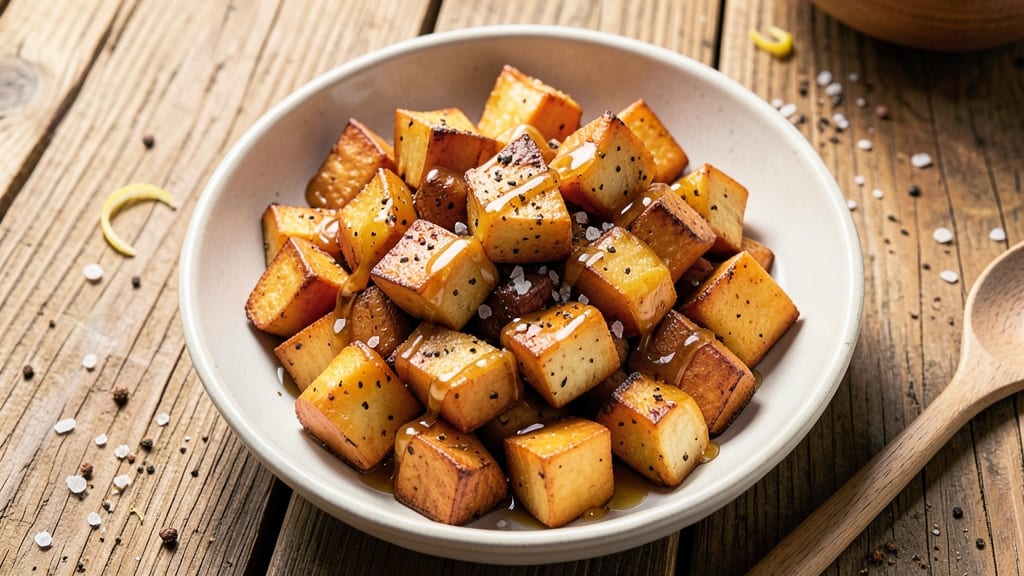
This white flesh sweet potato recipe transforms humble tubers into a tender, caramelized side that steals every meal. The secret lies in roasting until edges crisp while keeping the interior silky—no gummy texture here.
I developed this technique after years of testing, and it never fails to impress, even with picky eaters. What makes this recipe stand out is the honey glaze that adds depth without overpowering the sweet potatoes' natural sweetness.
The process is simple: cube the potatoes, toss with oil and seasoning, then roast until golden. The honey comes into play at the end, creating a sticky, caramelized crust that's impossible to resist.
By the time you're done, you'll have perfectly tender sweet potatoes with edges that are crispy enough to stand up to a fork. The aroma alone will have everyone at the table asking what's for dinner.
This side pairs beautifully with grilled meats, roasted chicken, or even as a vegetarian main. The best part? It's a foolproof method that works every time. No special equipment needed—just a baking sheet and your favorite honey. Let's get started on creating this restaurant-quality side dish at home.
Ingredients for white flesh sweet potato
Honey, olive oil, and a pinch of spice turn simple sweet potatoes into showstopper sides.
| Ingredient | Amount | Notes |
|---|---|---|
| White Flesh Sweet Potatoes 🍠 | 2 lb | Medium-sized, peeled and cubed |
| Extra-Virgin Olive Oil 🫒 | ¼ cup | For even coating |
| Honey 🍯 | ¼ cup | Light or dark variety |
| Kosher Salt 🧂 | 1 ½ tsp | Diamond Crystal preferred |
| Ground Black Pepper 🌶️ | ½ tsp | Freshly cracked |
| Garlic Cloves 🧄 | 2 cloves | Minced for aroma |
| Fresh Rosemary 🌿 | ¼ cup | Chopped, sprigs removed |
| Cinnamon 🌶️ | ½ tsp | Ground for warmth |
| Ground Nutmeg 🌶️ | ¼ tsp | Freshly grated |
White flesh sweet potatoes are key here—they stay silky while developing that perfect crispy edge. Trader Joe's and Whole Foods carry them year-round, but check the produce section for the smooth, pale variety. Skip the orange ones; they're sweeter and can get gummy. Peeled and cubed evenly (about 1.5-inch pieces), they roast up beautifully. If you grab the pre-cut bags, they're already peeled and ready to go—just rinse them. The honey should be real honey, not that corn syrup stuff. Local honey adds extra depth, but any good-quality honey works.
No honey? Maple syrup or agave works in a pinch, though the flavor won't be identical. Fresh rosemary wilting? Dried rosemary at half the amount is fine, but toast it first in a dry pan for 30 seconds to wake up the flavor. The cinnamon and nutmeg are non-negotiable for that cozy, caramelized finish—don't skip them. For extra richness, toss in a tablespoon of brown sugar with the honey glaze. And if you're feeling fancy, swap the olive oil for avocado oil—it has a higher smoke point and won't burn during roasting.
These keep beautifully in the fridge for 4-5 days, though they reheat best when fresh. Store in an airtight container with a paper towel to absorb any moisture. For leftovers, pop them in the oven at 375°F for 10 minutes to crisp up the edges again. Freeze them for up to 3 months—just thaw overnight in the fridge before reheating. The best part? They taste even better the next day once the flavors meld. Double the batch and save half for lunches—trust me, you'll be glad you did.
Why You'll Love This Recipe
- One-Pan Magic: I swear by this for nights when I’m too tired to scrub pots—just slice those white sweet potatoes, toss with olive oil and salt, and roast until caramelized. No chopping boards, no mess, just golden edges and that sticky-sweet honey glaze waiting for you.
- Sweet-Savory Balance: The honey isn’t just for sweetness—it cuts through the earthy depth of the white flesh, while the olive oil keeps it rich without being heavy. Honestly, the first time I tried it, I kept going back for seconds because that crispy skin with the tender inside? Chef’s kiss.
- Lunchbox Hero: Between us, this is my go-to for meal prep—slice them thin, roast them crisp, and they stay perfect for days in the fridge. Toss them cold in salads, pack them in wraps, or just eat them straight with a drizzle of extra honey. (Yes, even on a Tuesday lunch.)
- Budget Booster: White sweet potatoes are cheaper than regular ones, and this recipe stretches them far. A single bag feeds my family for days, and the honey adds just enough luxury to feel special without breaking the bank. Not the prettiest, but the taste makes up for it every time.
Step-by-step instructions for honey-glazed sweet potatoes
Here's how to transform simple sweet potatoes into tender, caramelized perfection with this foolproof method.
Prep the Sweet Potatoes for Even Cooking
Start by cutting the 2 lb white flesh sweet potatoes into even 1½-inch cubes. I use a sharp chef's knife for this—it gives you cleaner cuts and prevents the sweet potatoes from turning to mush. Place them in a large mixing bowl and toss gently with the 0.25 cup extra-virgin olive oil until they're evenly coated. This oil creates a barrier that helps keep the sweet potatoes tender while developing that beautiful caramelized exterior.
In the same bowl, add the 1.5 tsp kosher salt, 0.5 tsp ground black pepper, 0.5 tsp cinnamon, and 0.25 tsp ground nutmeg. Toss everything together until the seasonings cling to the sweet potatoes. The cinnamon and nutmeg add warmth that pairs perfectly with the honey glaze, while the salt and pepper ensure every bite has balanced seasoning. Give it a final toss so no cube gets left out in the flavor department.
Roast Until Fork-Tender
Preheat your oven to 400°F. Line two rimmed baking sheets with parchment paper for easy cleanup. Spread the seasoned sweet potato cubes in a single layer on the prepared sheets, leaving about ½-inch between each piece. This spacing allows hot air to circulate and prevents steaming, which is key to getting those caramelized edges.
Roast for 25 minutes, then give the sweet potatoes a gentle stir. You'll see them starting to soften and develop a golden hue. After another 15 minutes, they should be tender enough that a fork slides in easily with just a little resistance. If they're not quite there, give them another 5-10 minutes. The goal is tender sweet potatoes with just a hint of resistance—this ensures they hold their shape while still being fork-tender.
Build the Honey-Garlic Glaze
While the sweet potatoes roast, prepare the glaze. In a small saucepan, combine the 0.25 cup honey, minced 2 cloves garlic, and the 0.25 cup chopped fresh rosemary. Bring to a gentle simmer over medium heat and let it cook for 3-4 minutes until the mixture thickens slightly and becomes fragrant. The rosemary adds an earthy aroma that complements the sweetness of the honey beautifully.
Use a wooden spoon to scrape up any browned bits from the bottom of the pan—these contain concentrated flavor. Remove from heat and let the glaze cool slightly while the sweet potatoes finish roasting. The honey should coat the back of a spoon with a glossy sheen when ready, indicating it's reached the perfect consistency for glazing.
Glaze and Caramelize to Perfection
Return the roasted sweet potatoes to the oven. Pour the honey-garlic glaze evenly over the top, using a spoon to distribute it completely. For even coverage, I like to toss the sweet potatoes gently on the baking sheets to ensure every cube gets coated with the glaze. Then, return them to the oven for 8-10 minutes at 400°F until the edges are beautifully caramelized and the glaze has thickened slightly.
Watch closely during the final minutes—you want the edges to develop a deep golden color while keeping the centers tender. The sweet potatoes should be sticky from the glaze but still hold their shape when served. If the glaze starts to burn before the sweet potatoes are done, reduce the oven temperature to 375°F and give them a few more minutes. The result should be tender sweet potatoes with caramelized edges and a glossy, aromatic glaze that ties everything together.
Pro Tips For Making White Flesh Sweet Potato
- Peel After Roasting: I learned this the hard way—peeling sweet potatoes raw is a nightmare, especially the white-fleshed kind, which can get gummy. Roast them whole first (425°F for 45-50 minutes), then slip off the skin under cold water. The flesh stays firm and the peeling is effortless—no more mushy edges or wasted time scrubbing.
- Roast at 425°F: High heat is non-negotiable here. Sweet potatoes need that initial blast to caramelize the edges and develop flavor, not just steam. If your oven runs hot, start at 400°F and check at 35 minutes—you want golden-brown spots, not soggy centers. (Yes, even if you’re impatient like me.)
- Drizzle Honey Early: Don’t wait until the end to add honey—it’ll just pool at the bottom and turn cloying. Toss the cubed potatoes with olive oil, salt, and half the honey right after roasting (when they’re still hot). The residual heat helps it melt into the flesh instead of sitting on top like syrup.
- Skip the Overcrowding: This isn’t the prettiest method, but it’s the tastiest: Roast sweet potatoes in a single layer on the tray. If you pile them, the bottom ones steam instead of crisp, and the honey won’t caramelize properly. Use two trays if needed—your future self will thank you for the texture.
Pro cooking tips for this recipe
Cut Size Matters
Uniform 1½-inch cubes are non-negotiable for even cooking. Larger pieces stay too dense, while smaller ones burn before tenderizing. I use a mandoline slicer for consistency—it cuts perfectly straight slices that I then cube with a knife.
For extra crisp edges, cut slightly smaller (1-inch) if your oven runs hot. 🔥
Oil Distribution Technique
Don’t just drizzle oil—toss the cubes vigorously in a bowl until they’re completely coated. I use a large rubber spatula to press oil into crevices, ensuring even browning. For extra crispiness, add 1 tbsp cornstarch to the oil before tossing. This creates a dry coating that enhances caramelization.
Stirring Strategy
After 25 minutes of roasting, stir once and only once. Over-stirring releases moisture and steams the potatoes instead of browning them. Use a wide metal spatula to gently rearrange pieces, keeping the single layer intact. This single stir maximizes crisp edges while maintaining tenderness.
Honey Glaze Timing
Apply the honey glaze only after the potatoes reach 190°F internal temperature. This ensures the glaze caramelizes properly without burning. For extra depth, add 1 tsp apple cider vinegar to the glaze—it balances sweetness and adds brightness. Brush glaze generously but avoid pooling, which can cause uneven cooking.
Oven Temperature Control
If your oven runs hot, reduce temperature to 375°F during glazing. I’ve found Oster brand ovens tend to run hotter—always test with one tray first. For convection ovens, reduce temperature by 25°F to prevent over-browning. A meat thermometer is your best friend here for precision.
Resting for Texture
Let the glazed potatoes rest for 5 minutes off the heat before serving. This allows the glaze to set slightly, preventing a sticky mess. For restaurant-style presentation, transfer to a serving platter and sprinkle with toasted pecans or crumbled goat cheese** for contrast.
The resting time also helps redistribute juices for maximum tenderness. ✨
Nutrition facts
Frequently asked questions
Why do white flesh sweet potatoes stay creamier than orange ones?
White flesh sweet potatoes have less moisture and natural sugars than orange varieties, which means they hold their shape better and stay silky when cooked. The lower sugar content also prevents them from turning gummy during roasting. Their neutral flavor makes them perfect for absorbing seasonings like the honey glaze in this recipe.
Can I use this recipe with regular orange sweet potatoes?
Technically yes, but expect slightly different results. Orange sweet potatoes will be sweeter and more moist, potentially making them softer faster. For best texture, reduce roasting time by 5 minutes and use 1/4 cup less honey to prevent over-sweetness. The caramelization will still work, but the flavor profile will differ.
How do I store leftovers to keep them crispy?
Let the sweet potatoes cool completely, then transfer them to an airtight container with a paper towel on top to absorb moisture. Store in the fridge for up to 4 days. To reheat, spread them on a baking sheet and warm at 375°F for 8-10 minutes until edges crisp again. Microwaving will make them soggy!
What's the best way to test if sweet potatoes are done?
Use the fork test: A fork should slide in easily with just slight resistance. For precise results, insert a meat thermometer—they're done at 205°F internal temperature. If you prefer them slightly firmer, aim for 200°F. Overcooked sweet potatoes become dry, while undercooked ones stay too dense.
Can I make this recipe in an air fryer?
Preheat to 375°F and cook in batches for 12-15 minutes, shaking the basket halfway. For the glaze, reduce honey to 2 tbsp and broil for 2 minutes at the end. The air fryer gives even crispier edges but requires closer attention to prevent burning.