
Side Dishes
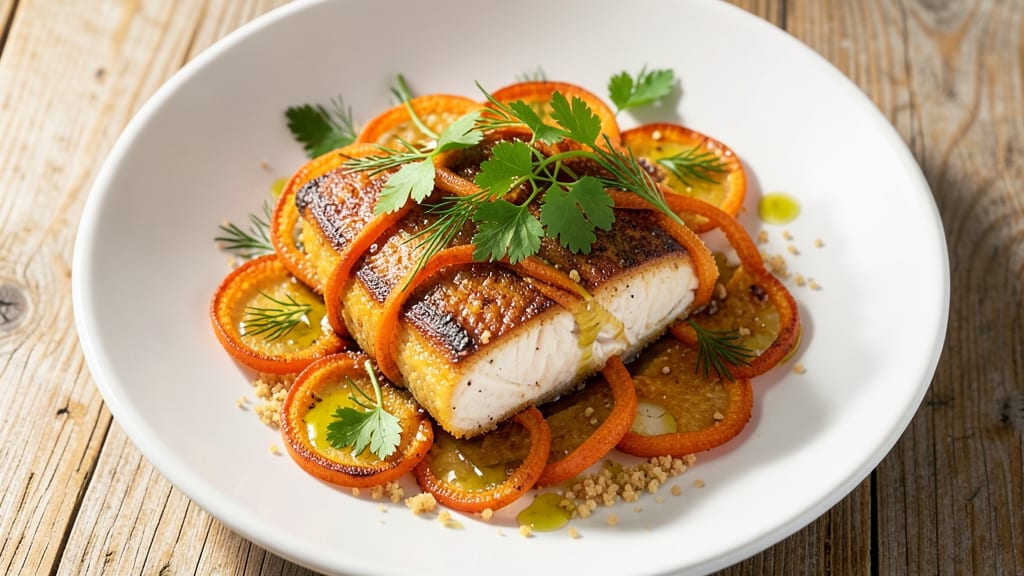
This sweet potato crusted grouper recipe transforms simple ingredients into a restaurant-worthy dish where crispy, golden crust meets tender, buttery fish in perfect harmony. The secret lies in the crust—a blend of grated sweet potato, breadcrumbs, and herbs—that creates a satisfying crunch while complementing the delicate flavor of the grouper.
I developed this recipe after years of experimenting with crust textures, and the result is a dish that feels indulgent yet balanced.
The beauty of this recipe is its versatility—you can pan-sear, bake, or even grill the grouper, depending on your preference. The crust stays crispy even after cooking, thanks to a simple binding technique that ensures it doesn’t turn soggy.
What makes this dish truly special is how the natural sweetness of the sweet potato pairs with the mild, flaky texture of the fish, creating a flavor profile that’s both comforting and elegant.
By the time you serve this dish, you’ll have a plate that’s as visually appealing as it is delicious: golden, crispy crust contrasting with the tender, flaky grouper underneath. The crust’s subtle sweetness balances the fish’s natural flavor, making every bite a harmonious blend of textures and tastes.
It’s the kind of dish that elevates a weeknight dinner into something memorable.
Pair it with a bright citrus salad or roasted green beans to complete the meal. The contrast of flavors and textures will leave everyone at the table asking for seconds. Let’s get started on creating this standout dish that’s sure to impress.
Ingredients for sweet potato crusted grouper
Sweet potato crust meets buttery grouper—just eight ingredients for restaurant magic.
| Ingredient | Amount | Notes |
|---|---|---|
| Fresh Grouper Fillets 🐟 | 4 pieces | 6-8 oz each, skinless |
| Medium Sweet Potatoes 🍠 | 2 whole | Organic preferred, peeled |
| Panko Breadcrumbs 🍞 | ¾ cup | For extra crunch |
| Fresh Parsley 🌿 | ¼ cup | Finely chopped, stems removed |
| Fresh Dill 🌿 | ¼ cup | Chopped, for brightness |
| Extra-Virgin Olive Oil 🫒 | ½ cup | High quality, fruity |
| Unsalted Butter 🧈 | 2 tbsp | Melted, for richness |
| Eggs 🥚 | 1 whole | Beaten, for binding |
| Lemon Juice 🍋 | 2 tbsp | Freshly squeezed |
| Garlic Cloves 🧄 | 3 cloves | Minced, for depth |
| Salt 🧂 | 1 tsp | Diamond Crystal preferred |
| Black Pepper 🌶️ | ½ tsp | Freshly ground |
| Paprika 🌶️ | ½ tsp | Smoked, for color |
The sweet potatoes are the star here. Organic ones have richer flavor, but any firm, smooth-skinned variety works. I grab mine from Whole Foods when I can, but the regular grocery store stuff is fine too. Peeled and grated (no food processor—hand grating keeps texture perfect), they should yield about 2 cups. Sweetness varies by potato, so taste as you go—if it's too mild, add a pinch of sugar. The crust's magic comes from that perfect balance of sweet potato's natural sweetness and the panko's crunch, so don't skip either.
No panko? Regular breadcrumbs plus a pinch of baking powder (1/4 tsp) mimics the lift. Fresh herbs wilt fast, so buy just what you need—parsley and dill should be vibrant green, not yellowing. The olive oil matters here—use something you'd drizzle on bread. Trader Joe's or Costco have great options. For the butter, I always use unsalted so I control the seasoning. Short on time? Olive oil butter (mix equal parts olive oil and melted butter) works in a pinch. The crust needs to bind, so don't skip the egg—it's the secret to that perfect crispy texture.
Grouper fillets keep best 1-2 days in the fridge, wrapped tightly. The crust mix stays fresh 3 days covered in the fridge—make extra for fish tacos or chicken. For the perfect sear, pat the fish dry right before cooking. Don't overcrowd the pan—this is where most home cooks mess up. The crust will crisp up beautifully the second time around, so leftovers reheat like a dream. Store crust mix in an airtight container, and the fish in a sealed bag with a paper towel to absorb moisture.
Why You'll Love This Recipe
- No-Fuss Prep: I peel and boil the sweet potatoes while the oven preheats—no chopping, no stress. The panko crust sticks like glue, so no fancy breading tricks either.
- Sweet & Crunchy Magic: That first bite? Crispy panko gives way to creamy sweet potato, then flaky grouper—like a dessert-meets-dinner party in your mouth. Honestly, the dill and parsley tie it all together so well.
- Weeknight to Date Night: Same recipe for Tuesday takeout or Saturday dinner—just swap sides. My kids eat it straight from the pan; my partner brings it to book club. Zero judgment.
- Budget-Friendly Luxury: Sweet potatoes stretch my grocery budget, and grouper’s mild flavor means it won’t break the bank like snapper. Leftovers reheat perfectly (yes, even the crust stays crisp).
Step-by-step instructions for sweet potato crusted grouper
Here's how to create that perfect balance of crispy sweet potato crust and tender, buttery grouper.
Prepare the Sweet Potato Crust
Preheat your oven to 400°F and line a baking sheet with parchment paper. Peel and cut the 2 whole medium sweet potatoes into ¼-inch thick rounds using a mandoline or sharp knife. Arrange them on the prepared baking sheet in a single layer, leaving ½-inch between each slice.
Drizzle the sweet potato slices with 2 tablespoons of the extra-virgin olive oil and sprinkle evenly with ½ teaspoon salt, ¼ teaspoon black pepper, and ¼ teaspoon paprika. Bake for 20-25 minutes until the edges are golden brown and they feel tender when pressed with your finger.
Let them cool slightly before carefully transferring to a food processor. Pulse until you get a coarse crumb texture—think somewhere between fine crumbs and sand. You want enough texture to stick to the fish but still hold its shape. Set aside in a bowl.
Create the Crust Mixture
In a separate bowl, beat the 1 whole egg with 2 tablespoons lemon juice until fully combined. Add the 0.75 cup panko breadcrumbs and mix until evenly distributed. Stir in the 0.25 cup fresh parsley and 0.25 cup fresh dill, then fold in the cooled sweet potato crumbs.
Melt the 2 tablespoons unsalted butter in a small saucepan over low heat, then stir in the 3 minced garlic cloves until fragrant—about 30 seconds. Let this cool completely before mixing it into your crust mixture. The butter adds richness that balances the sweetness of the crust.
Finally, season the mixture with the remaining ¼ teaspoon salt, ¼ teaspoon black pepper, and ¼ teaspoon paprika. The crust should look moist but not wet—if it's too dry, add 1 teaspoon lemon juice to help bind it.
Prepare the Grouper Fillets
Pat the 4 pieces fresh grouper fillets completely dry with paper towels—this is crucial for getting that crispy crust. Season both sides generously with salt and pepper. Place each fillet on a separate piece of parchment paper and spread about 2 tablespoons of the crust mixture evenly over the top of each fillet.
Press the crust mixture gently but firmly onto the fish, making sure it covers the entire surface. This ensures maximum contact for that perfect crust. Let the prepared fillets sit at room temperature for 10 minutes while you heat your oven back up to 400°F.
Meanwhile, heat 2 tablespoons extra-virgin olive oil in an oven-safe skillet over medium-high heat until shimmering. This is where the magic happens—you want the oil hot enough to create a good sear without burning the crust.
Cook to Golden Perfection
Carefully transfer one fillet at a time to the hot skillet, laying them flat. Cook for 3-4 minutes until the crust is deep golden brown and the fish releases easily from the paper. Flip each fillet and cook for another 2-3 minutes on the other side until the crust is evenly browned.
Transfer the skillet to your preheated oven and bake for 4-5 minutes to finish cooking the fish through. The internal temperature should reach 145°F when measured with an instant-read thermometer. Be careful not to overcook—the fish will continue cooking slightly as it rests.
Serve immediately with a squeeze of fresh lemon and a sprinkle of extra parsley. The crust should be crispy on the outside with a slightly caramelized sweetness, while the fish inside remains tender and flaky. Each bite delivers that perfect contrast of textures and flavors!
Pro Tips For Making Sweet Potato Crusted Grouper
- Dry the Sweet Potato: Roast the peeled sweet potatoes until they’re fork-tender, then let them cool completely before blending into a mash. I learned this the hard way—warm mash sticks to the grouper crust and makes it soggy. Cold mash blends smoother and sticks better to the fillets.
- Pat the Grouper Dry: Use paper towels to press all moisture out of the fillets before pressing them into the sweet potato crust. Wet fish steams instead of searing, and that’s how you end up with a mealy, uncrispy crust. Do this right before crumbing—no waiting.
- Chill the Crust Mixture: Mix the sweet potato mash, panko, herbs, and egg, then refrigerate for 20 minutes before pressing onto the fish. Cold ingredients bind better and form a tighter crust that won’t crumble off in the pan. I was skeptical until I tried it—now it’s non-negotiable.
- Sear in Stages: Cook the grouper skin-side down in a hot (not smoking) pan for 3–4 minutes until golden, then flip and press gently with a spatula to keep the crust intact. Too much movement = broken crust. Finish under the broiler for 1–2 minutes to crisp the top without drying the fish.
Best sauces and condiments for this dish
Citrus Beurre Blanc
This bright, buttery sauce elevates your grouper by cutting through the crust’s richness. Start by melting ¼ cup unsalted butter in a saucepan over low heat, then whisk in 2 tbsp fresh lemon juice and 2 tbsp white wine vinegar.
Add 1 shallot, minced, and simmer for 3 minutes until reduced by half. Finish with 1 tbsp cold butter, whipped in for a silky texture. Drizzle over the fish just before serving—it clings beautifully to the crust. 🍋
Garlic-Herb Aioli
For a creamy contrast, blend ½ cup mayonnaise with 1 tbsp lemon juice, 1 minced garlic clove, 1 tbsp chopped parsley, and a pinch of salt. Thin with 1 tsp olive oil if needed.
The aioli’s richness balances the crust’s sweetness while the garlic adds depth. Serve in a small bowl for dipping or drizzle lightly over the top. I like to add a pinch of smoked paprika for warmth. 🌿
Spicy Mango Salsa
Sweet, tangy, and spicy—this salsa adds a tropical twist. Dice 1 ripe mango and ½ red bell pepper, then mix with 2 tbsp chopped cilantro, 1 tbsp lime juice, and ½ tsp chili powder.
Let sit for 10 minutes to meld flavors. The mango’s sweetness complements the crust, while the lime keeps it fresh. Serve as a topping or side—it’s a crowd-pleaser. 🌶️
White Wine Reduction
Simmer ½ cup dry white wine with 1 tbsp butter> and 1 tsp lemon zest> until reduced by half (5-7 minutes). Finish with 1 tsp fresh dill.
This sauce adds elegance without overpowering the dish. Its acidity brightens the crust, making each bite more vibrant. Perfect for drizzling or spooning alongside. 🍷
Lemon-Dill Crema
Whip ½ cup sour cream with 1 tbsp lemon juice, 1 tbsp chopped dill, and a pinch of salt until smooth. The crema’s coolness contrasts the crust’s warmth, while the dill echoes the crust’s herbs.
Use it as a sauce or dollop alongside the fish for extra richness. Store leftovers in the fridge for up to 3 days. ✨
Nutrition facts
Frequently asked questions
Can I use regular potatoes instead of sweet potatoes for the crust?
Regular potatoes won't work as well—they lack the natural sweetness and moist texture that makes this crust special. Sweet potatoes provide that perfect balance of sweetness and slight caramelization when baked. If you're in a pinch, try yams (like Japanese yams) for a similar texture, but they'll be slightly less sweet.
How do I keep the crust from falling off the grouper?
The key is proper binding and gentle handling. Make sure your crust mixture is moist but not wet (add a little lemon juice if needed), and press it firmly onto the fish. Also, don't overcook—just until the crust is golden and fish reaches 145°F. Let it rest for 2 minutes before serving to help the crust set.
Can I make this recipe ahead of time?
You can prep the crust mixture 1 day ahead and store it in an airtight container in the fridge. For the fish, coat it with the crust just before cooking. The crust will stay fresh, but the fish is best cooked fresh for optimal texture. If reheating leftovers, bake at 350°F for 5-7 minutes to restore crispiness.
What's the best way to store leftover crust mixture?
Store your crust mixture in an airtight container in the fridge for up to 3 days. For longer storage, freeze it in portions for 1 month. Thaw overnight in the fridge before using. The texture stays perfect when properly stored—just add a little extra lemon juice if it seems dry after thawing.
Is this recipe kid-friendly?
Yes, but with a few adjustments. Kids often prefer milder flavors, so you can reduce the paprika to ¼ teaspoon and skip the extra herbs in the crust. Serve with a simple side like roasted carrots or mashed potatoes. The sweet potato crust is naturally appealing to children, while the fish provides protein without overpowering their taste buds.