
Side Dishes
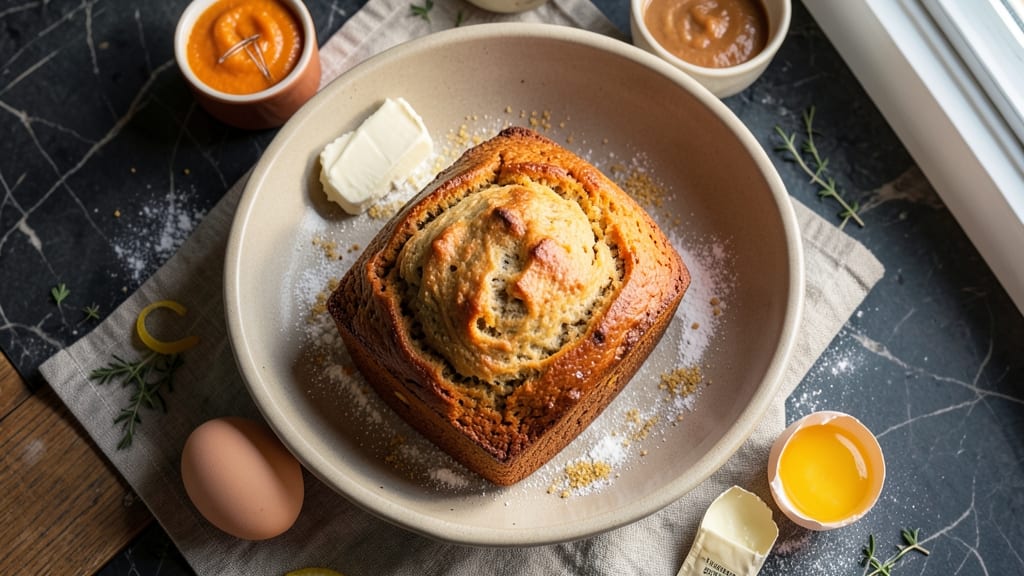
This sweet potato yeast bread machine recipe transforms humble ingredients into a moist, fragrant loaf with a tender crumb and subtle caramel sweetness. The secret lies in blending cooked sweet potato puree into the dough—adding natural moisture and depth that sets it apart from standard bread.
I developed this recipe after years of experimenting with bread machine recipes, and it’s now my go-to for a bread that’s both comforting and impressive.
The beauty of this recipe is its foolproof simplicity—your bread machine does all the heavy lifting while you focus on the prep. The dough comes together with basic pantry staples, but the sweet potato puree elevates it to something extraordinary.
Expect a loaf with a soft, slightly dense crumb and a thin, crackly crust that’s perfect for toast or sandwiches. The warm spice notes from cinnamon and nutmeg complement the natural sweetness of the potato, making every slice feel like a hug.
What makes this recipe truly special is how it transforms ordinary ingredients into something extraordinary with minimal effort. The bread machine handles the kneading and rising, so you only need to mix the dough, set the machine, and let it work its magic.
By the time it’s done, you’ll have a loaf that’s moist, fragrant, and packed with flavor—ideal for breakfast toast, sandwiches, or serving alongside soups and stews.
This recipe is designed to be versatile and reliable, whether you’re a bread machine beginner or a seasoned baker. The instructions are clear, the ingredients are easy to find, and the results are consistently delicious. Let’s get started on creating your perfect loaf!
Ingredients for sweet potato yeast bread machine
Sweet potato puree and warm spices make this bread machine loaf irresistibly moist and fragrant.
| Ingredient | Amount | Notes |
|---|---|---|
| Cooked Sweet Potato Puree 🍠 | 1 ½ cups | Canned or homemade, unsweetened |
| All-Purpose Flour 🌾 | 3 ½ cups | Bread flour for better structure |
| Active Dry Yeast 🍞 | 2 ¼ tsp | Fresh yeast preferred |
| Granulated Sugar 🍚 | ¼ cup | Brown sugar for depth |
| Unsalted Butter 🧈 | ½ cup | Room temperature, full-fat |
| Large Eggs 🥚 | 1 whole | Room temperature, beaten |
| Milk 🥛 | ½ cup | Warm, whole milk preferred |
| Ground Cinnamon 🌿 | 1 ½ tsp | Freshly ground for warmth |
| Ground Nutmeg 🌿 | ½ tsp | Freshly grated preferred |
| Salt 🧂 | 1 tsp | Kosher or sea salt |
| Vegetable Oil 🫒 | 1 tbsp | For greasing the pan |
The sweet potato puree is non-negotiable here—canned unsweetened works in a pinch, but homemade (just boiled, peeled, and blended) gives the best flavor. Trader Joe's carries a great canned version if you're short on time. For the flour, King Arthur bread flour gives a better structure, but all-purpose is fine if that's what you've got. The yeast? Fresh is best—check the date on the package, and if it's been sitting in your pantry for months, toss it. Warm milk and butter help activate the yeast faster, so let them sit out for 10 minutes before mixing.
No sweet potato puree? Mashed roasted sweet potato works too—just blend it until smooth. Short on cinnamon? Pumpkin pie spice at half the amount adds similar warmth. The butter can be swapped for vegetable oil or melted coconut oil if you're avoiding dairy. For the milk, almond or oat milk work, but whole milk gives the best texture. The egg can be replaced with 1 tbsp ground flaxseed + 3 tbsp water for a vegan version (let it sit for 5 minutes to thicken). And if you're worried about the dough being too sweet, don't—it's perfectly balanced with the spices.
This dough is best used fresh, but you can prep it ahead and let it rise in the fridge overnight. Wrap tightly in plastic and store for up to 24 hours—it'll rise slower but still work. The baked loaf keeps well at room temperature for 2-3 days wrapped in a clean kitchen towel, or 5 days in the fridge. For longer storage, slice and freeze—3 months is plenty. Toasting revives any day-old slices, and it's perfect for making French toast or bread pudding later.
Why You'll Love This Recipe
- No Puree Hassle: I just roast a sweet potato, mash it with a fork, and—boom—ready to go. The bread machine does all the heavy lifting while I sip my coffee.
- Sweet & Soft Magic: That touch of sugar and butter makes it irresistibly tender, but the sweet potato adds natural depth. Honestly, it’s the kind of bread you’ll reach for instead of store-bought.
- Breakfast to Brunch: Slice it toasted with peanut butter for a quick breakfast or serve warm with honey butter at a weekend brunch. It’s my go-to for lazy mornings and special gatherings.
- Budget-Friendly Staple: Sweet potatoes are cheap, and this recipe stretches to feed a family for days. I freeze leftovers all the time—no waste, just pure comfort.
Step-by-step instructions for sweet potato yeast bread machine recipe
Here's how to make bread that stays moist for days with perfect spice harmony.
Mix Wet Ingredients for Maximum Moisture
In a large mixing bowl, combine the 1.5 cups cooked sweet potato puree with the 0.5 cup unsalted butter and 0.25 cup granulated sugar. I like to use a hand mixer on low speed for 30 seconds to blend everything smoothly. The butter should melt slightly from the warmth of the sweet potato.
Next, add the 1 whole large eggs and 0.5 cup warm milk to the mixture. Mix again until fully incorporated—the batter should be thick but pourable. The warm milk helps activate the yeast later, while the eggs add structure. If the mixture feels too thick, add 1 tablespoon water at a time until it reaches a smooth, spreadable consistency.
Combine Dry Ingredients and Spices
In a separate bowl, whisk together the 3.5 cups all-purpose flour, 2.25 teaspoons active dry yeast, 1.5 teaspoons ground cinnamon, 0.5 teaspoon ground nutmeg, and 1 teaspoon salt. I always sift the flour first to prevent lumps—this ensures even distribution of the spices and yeast throughout the dough.
Gradually add the dry mixture to the wet ingredients while mixing on low speed. The dough will be sticky at first, but keep mixing until it comes together into a shaggy mass. If it's too wet, add 1 tablespoon flour at a time until it forms a soft, cohesive dough that doesn't stick to your fingers. The spices should be evenly distributed—you'll smell that warm cinnamon and nutmeg aroma as you mix.
Prepare the Bread Machine for Perfect Rise
Grease your bread machine pan thoroughly with 1 tablespoon vegetable oil, coating all surfaces including the sides. This prevents sticking and helps create that beautiful, golden crust. Place the dough into the greased pan and cover it with a clean kitchen towel.
Set your bread machine to the "Basic White Bread" setting. The machine will automatically mix, knead, and bake the dough. If your machine has a "Dough" setting, use that instead and let it run for 3-5 minutes until the dough is smooth and elastic. The dough should rise to about 75% of the pan's height before the baking cycle begins—this indicates proper fermentation and is key to that light, airy crumb.
Bake Until Golden and Fragrant
Once the bread machine begins the baking cycle, let it run its course. The bread is done when it reaches an internal temperature of 190°F and has a deep golden brown color. You'll know it's ready when it pulls away from the sides of the pan with a slight crack and emits that irresistible sweet potato and spice aroma.
Remove the bread from the machine immediately and transfer it to a wire rack to cool for 10-15 minutes. The bread will continue to rise slightly as it cools, and the crust will firm up. For extra moisture, brush the warm bread with a little melted butter—this adds richness and keeps it soft for longer. Slice when completely cool for clean cuts and that perfect moist crumb.
Pro Tips For Making Sweet Potato Yeast Bread Machine
- Cool the Puree First: Dump that hot sweet potato puree straight into your bread machine, and you’re basically telling your yeast to throw in the towel. Let the puree cool to room temperature—yeast hates heat, and this step guarantees it wakes up ready to work instead of sluggishly sulking.
- Weigh Your Flour: Scooping flour from the bag is how you end up with a dense, gummy loaf. Use a kitchen scale for the flour—yeast bread is finicky about ratios, and even a little extra can throw off the texture. Trust me, your bread will rise better when you’re precise.
- Skip the Overmixing: Once you add the yeast and wet ingredients, resist the urge to stir like you’re trying to win a mixing contest. Overmixing develops gluten too early, and your bread machine will fight you later. A quick 10-second mix is all it needs—let the machine do the heavy lifting.
- Butter Temperature Matters: Cold butter? Your bread will turn out greasy and uneven. Soft but not melted—press it into the flour mix until it’s pea-sized chunks, no bigger. This ensures even distribution and a tender crumb without sogginess. (Yes, even if you’re impatient like me.)
Make-ahead tips for this sweet potato yeast bread machine
Dough Prep Ahead
Mix the dough up to 24 hours in advance and refrigerate it in an airtight container. The cold slows fermentation, letting flavors develop deeper. Cover the bowl with plastic wrap pressed directly on the dough surface to prevent a skin from forming.
When ready to bake, let it sit at room temperature for 1-2 hours before placing it in the greased bread machine pan. This gives the yeast time to activate properly. 🌡️
Overnight Rise
For an even more flavorful loaf, mix the dough in the evening and refrigerate it overnight. The slow rise enhances the sweet potato aroma and creates a more complex crumb structure. In the morning, let the dough sit at room temperature for 2 hours before starting the bread machine cycle.
I find this method produces a bread with a slightly denser, more rustic texture that's perfect for toast. ⏰
Freezer-Friendly Dough
Divide the mixed dough into portions and freeze them in airtight containers or freezer bags for up to 3 months. When ready to bake, thaw the dough in the refrigerator overnight, then let it sit at room temperature for 2 hours before using.
This works especially well for batch baking—just take out what you need and let the bread machine handle the rest. The texture remains moist even after freezing. ❄️
Baked Loaf Storage
Once baked, let the bread cool completely before storing. Wrap it tightly in a clean kitchen towel and place in a paper bag to maintain moisture. At room temperature, it stays fresh for 2-3 days, while refrigerated storage extends this to 5 days.
For longer preservation, slice the bread and freeze individual portions on a tray before transferring to a bag. Toasting from frozen works perfectly. 💫
Reviving Day-Old Bread
If your bread starts to dry out, revive it with a simple trick: Wrap slices in a damp paper towel and microwave for 10-15 seconds. For extra moisture, brush with melted butter or a light honey glaze.
This bread also makes fantastic French toast or bread pudding—just slice and use as directed in your favorite recipe. The spices add a wonderful depth to both dishes. 🍯
Make-Ahead Serving Ideas
Plan ahead by baking extra loaves and freezing them. Thaw overnight in the fridge, then toast or slice for sandwiches. I love using this bread for breakfast pastries—slice, brush with cinnamon butter, and bake until golden.
For holiday gatherings, pre-slice and freeze portions to serve as gourmet breadsticks with dips. The warm spices make it a crowd-pleaser year-round. 🎉
Nutrition facts
Frequently asked questions
Can I substitute canned sweet potato for fresh?
Use 1.5 cups unsweetened canned sweet potato puree—just drain it well to avoid excess moisture. For homemade, boil 2 medium sweet potatoes until tender, peel, and blend until completely smooth. The texture will be slightly different but still delicious.
Why does my bread machine dough stick to the pan?
This usually happens if the pan wasn't greased properly or the dough was too wet. Always coat the pan thoroughly with 1 tablespoon vegetable oil and consider adding 1 tablespoon extra flour if the dough feels too sticky. For stubborn cases, use a light dusting of flour on the dough before placing it in the pan.
How do I know when the bread is fully baked?
The bread is done when it reaches an internal temperature of 190°F and pulls away cleanly from the sides of the pan with a slight crack. You'll also notice a deep golden color and that irresistible sweet potato aroma. If unsure, check with a thermometer—underbaking can make the crumb gummy.
Can I make this bread without eggs?
Yes! Replace the 1 egg with 1 tablespoon ground flaxseed + 3 tablespoons water. Let it sit for 5 minutes to thicken before using. The bread will still be moist and flavorful, though the texture may be slightly denser. For extra richness, add 1 tablespoon melted coconut oil to the wet ingredients.
What’s the best way to enhance the sweet potato flavor?
Boost the flavor by adding ½ teaspoon vanilla extract to the wet ingredients or ¼ teaspoon orange zest to the dry mix. For a spicier kick, increase the cinnamon to 2 teaspoons or add ¼ teaspoon ginger. Roasting the sweet potato before blending also intensifies its natural sweetness.